

SLOAN-SL Unveils 2025–2030 Plan to Transform Higher Education Financing
 Sia Lucy Kannah
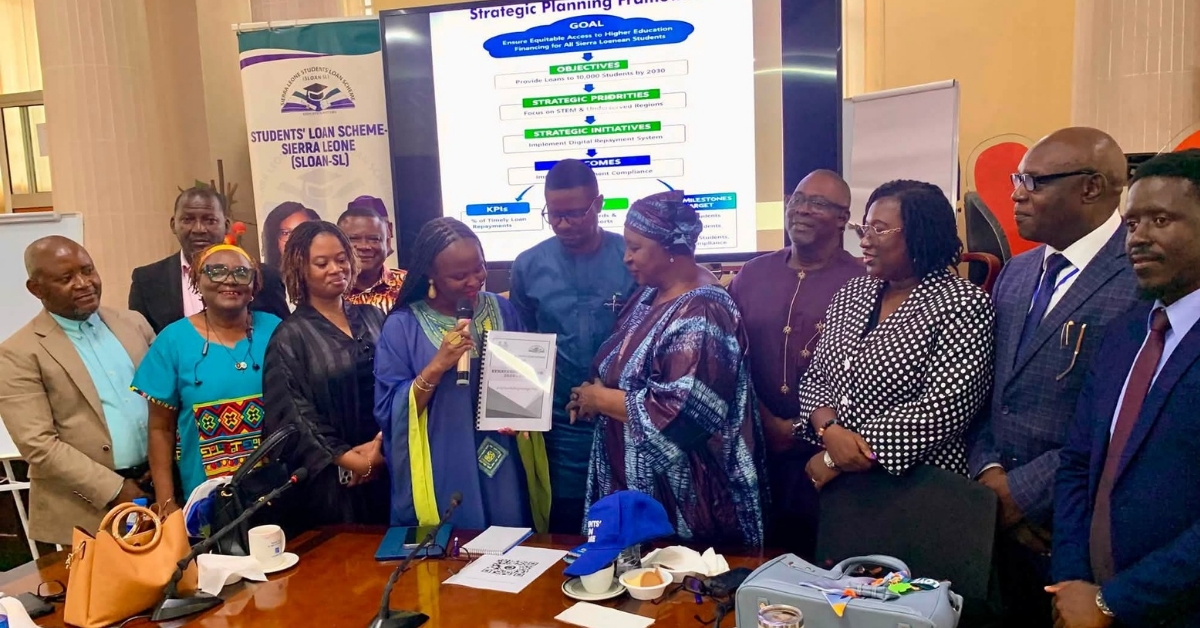
 The Sierra Leone Students’ Loan Scheme (SLOAN-SL) has validated its Strategic Plan for 2025–2030 during a stakeholder workshop aimed at strengthening higher education financing and expanding access to tertiary education for deserving students.
Delivering the keynote address, the Minister of Technical and Higher Education, Haja Ramatulai Wurie, described the validation exercise as an important milestone in developing a sustainable and innovative financing system for higher education.
Dr. Wurie said the Strategic Plan would serve as a critical tool in advancing national development, noting that while many Sierra Leonean families make significant sacrifices to educate their children, financial challenges continue to prevent many qualified students from pursuing tertiary education.

She stressed that access to education goes beyond gaining admission, adding that students must also be supported to successfully complete their studies.


The Minister explained that the Students’ Loan Scheme, established under the Students’ Loan Scheme Act of 2021, represents a major policy shift towards a more equitable and sustainable financing model. She said the Scheme complements the Government’s Grant-in-Aid programme and supports President Julius Maada Bio’s Human Capital Development Agenda.
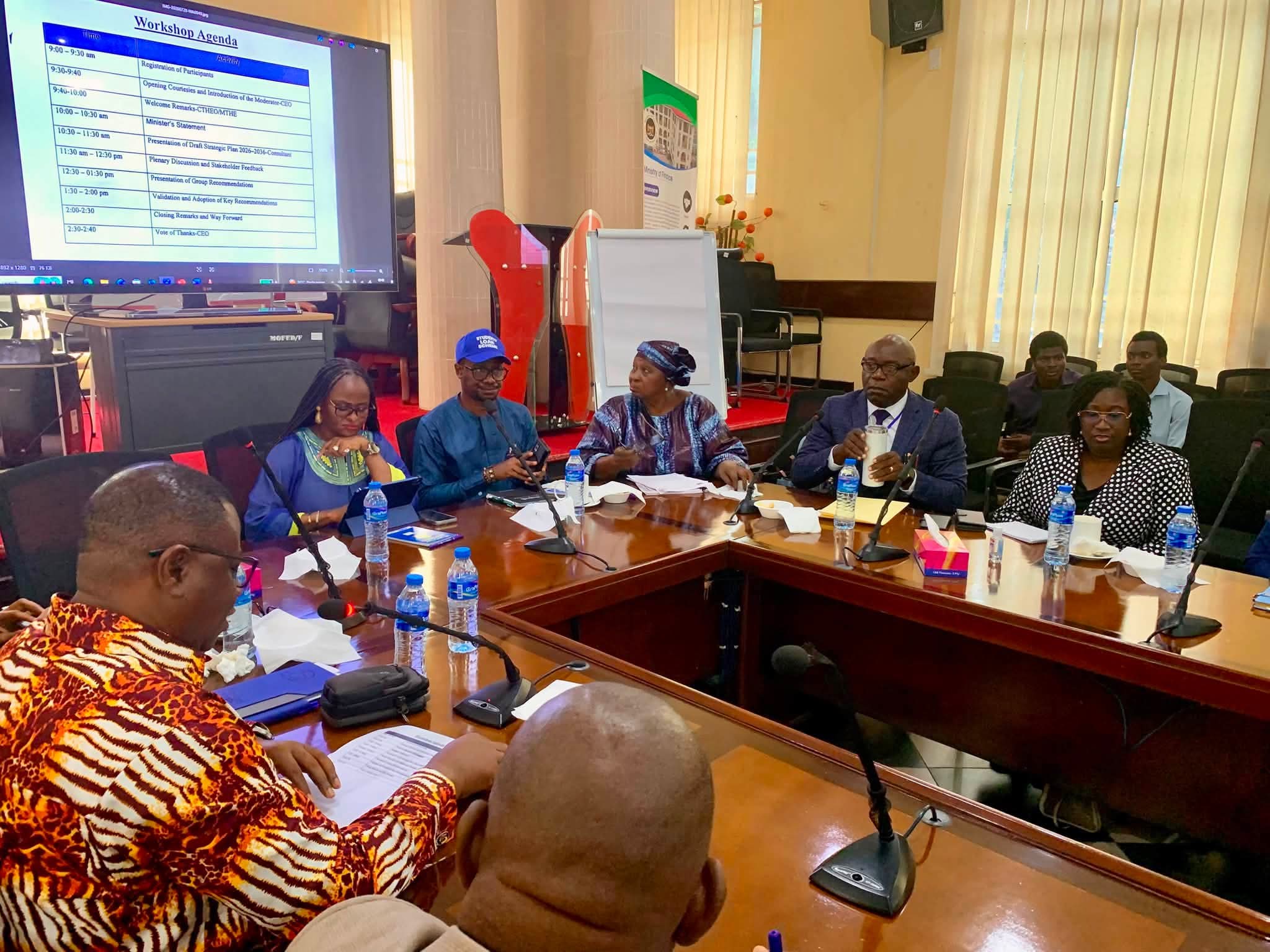
According to Dr. Wurie, the Strategic Plan focuses on expanding access to tertiary education, ensuring fairness in loan allocation, strengthening institutional capacity, improving financial management, and building partnerships to ensure the long-term sustainability of the Scheme.
She further highlighted the importance of supporting students pursuing studies in science, engineering, technology, agriculture, health sciences, technical and vocational education, and teacher education, describing these areas as critical to Sierra Leone’s economic transformation, innovation, food security, and national development.
Deputy Minister of Technical and Higher Education, Sarjoh Aziz-Kamara, described the Strategic Plan as a roadmap that will guide the operations of the Scheme through 2030.
He noted that SLOAN-SL was established under the Human Capital Development Agenda to improve access to higher education, particularly for students from disadvantaged backgrounds. He encouraged stakeholders to critically review the document to ensure it meets the needs of future generations.
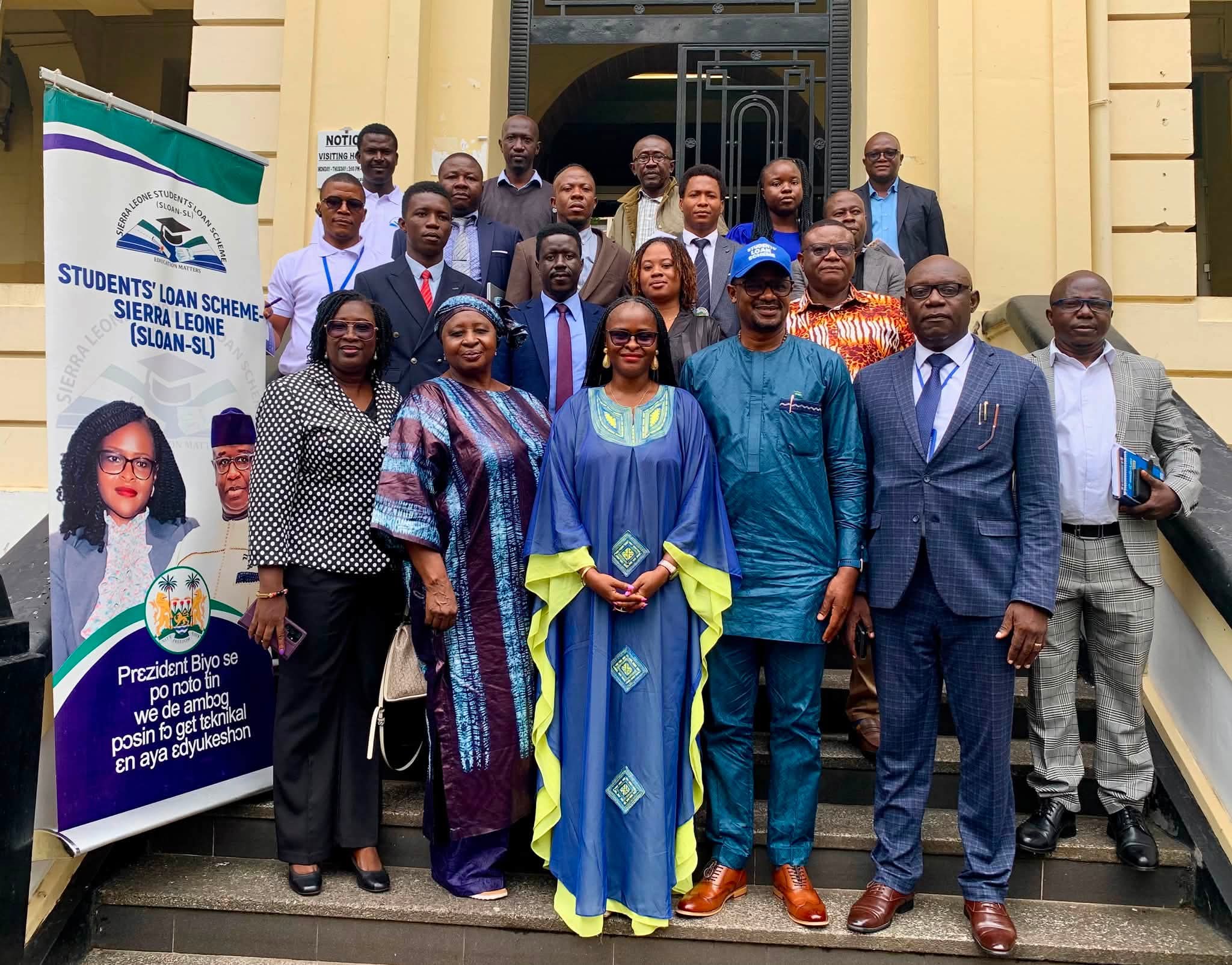
The Chairperson of the Board of Trustees of SLOAN-SL, Sitta Isata Kaikai, described the validation of the institution’s first Strategic Plan as a major step towards transforming higher education financing in Sierra Leone.
Kaikai highlighted achievements recorded by the Scheme, including support for postgraduate students and the establishment of an institutional framework for a revolving loan programme. She expressed confidence that the Strategic Plan would strengthen governance, operational systems, resource mobilisation, and loan recovery while expanding support to undergraduate students.
The Scheme’s consultant stated that SLOAN-SL aims to provide loans to 10,000 students by 2030, with a strategic focus on STEM programmes and underserved regions.