
Foreign Affairs Minister Swaray Renews Call for Permanent African Seats on UN Security Council
 Sahid Bangura
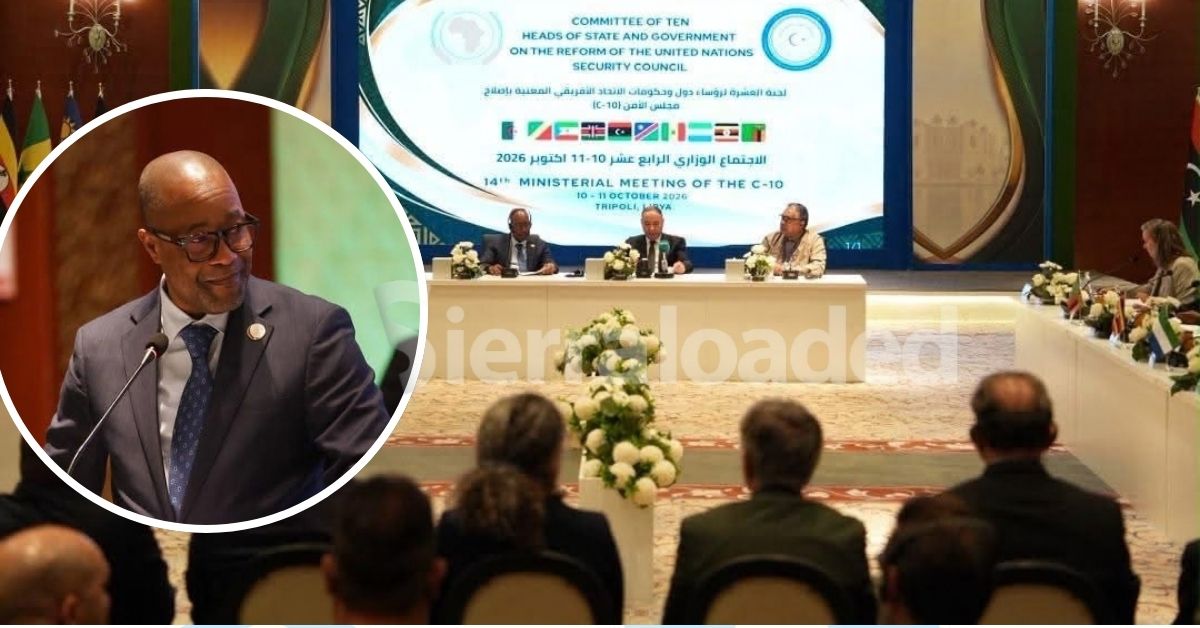
 Sierra Leone’s Minister of Foreign Affairs and International Cooperation, Mohamed Rahman Swaray, has reaffirmed the country’s commitment to securing greater African representation on the United Nations Security Council, calling for reforms that reflect the continent’s role in global peace and security.
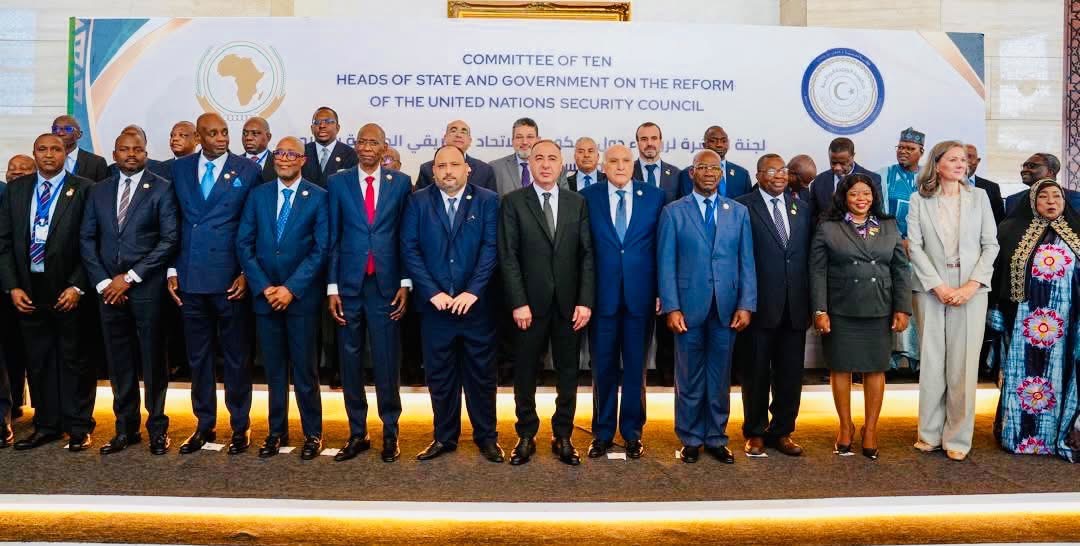
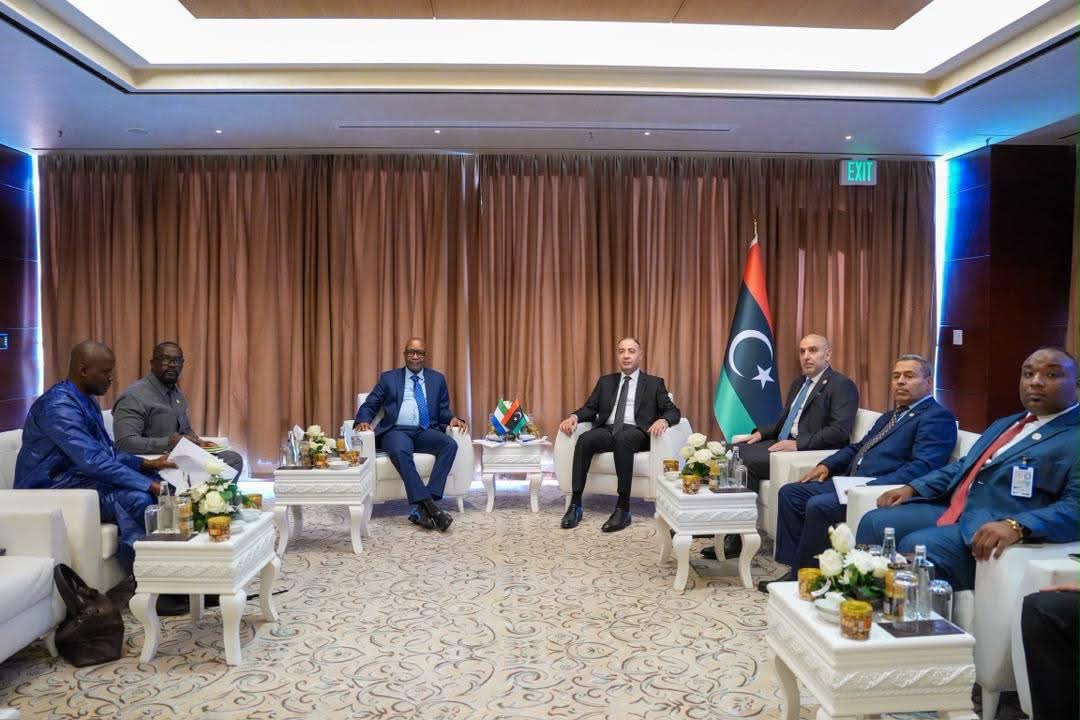
Swaray made the statement on Saturday, October 10, 2026, during the 14th Ministerial Meeting of the African Union Committee of Ten (C-10) on the Reform of the UN Security Council, held in Tripoli, Libya.
Speaking in his capacity as coordinator of the C-10, the minister reiterated Sierra Leone’s support for Africa’s Common Position, as outlined in the Ezulwini Consensus and the Sirte Declaration.



He described Africa’s limited representation on the Security Council as a historical injustice, arguing that the continent’s 54 UN member states deserve a stronger voice in decisions affecting international peace, security and multilateral cooperation.
Swaray reaffirmed Africa’s demand for at least two permanent seats on a reformed Security Council, with all the privileges of permanent membership, including the right of veto, alongside five non-permanent seats.
He also stressed the need for African countries to maintain unity, improve coordination among C-10 members and engage strategically with other negotiating groups to advance meaningful reform.
The minister said Sierra Leone, under the leadership of President Julius Maada Bio, would continue to fulfil its coordinating role and work with other African nations to ensure the continent’s aspirations are reflected in a more representative and equitable global governance system.

Swaray also expressed appreciation to the Government and people of Libya for hosting the meeting and for their hospitality.
Africa’s campaign for Security Council reform centres on addressing its current representation in the UN’s principal body responsible for international peace and security and ensuring that the continent has a greater role in global decision-making.