
Sylvia Blyden Defends Citizens’ Right to Name, Shame Speaker Thomas Over Constitutional Ruling
 Sahid Bangura
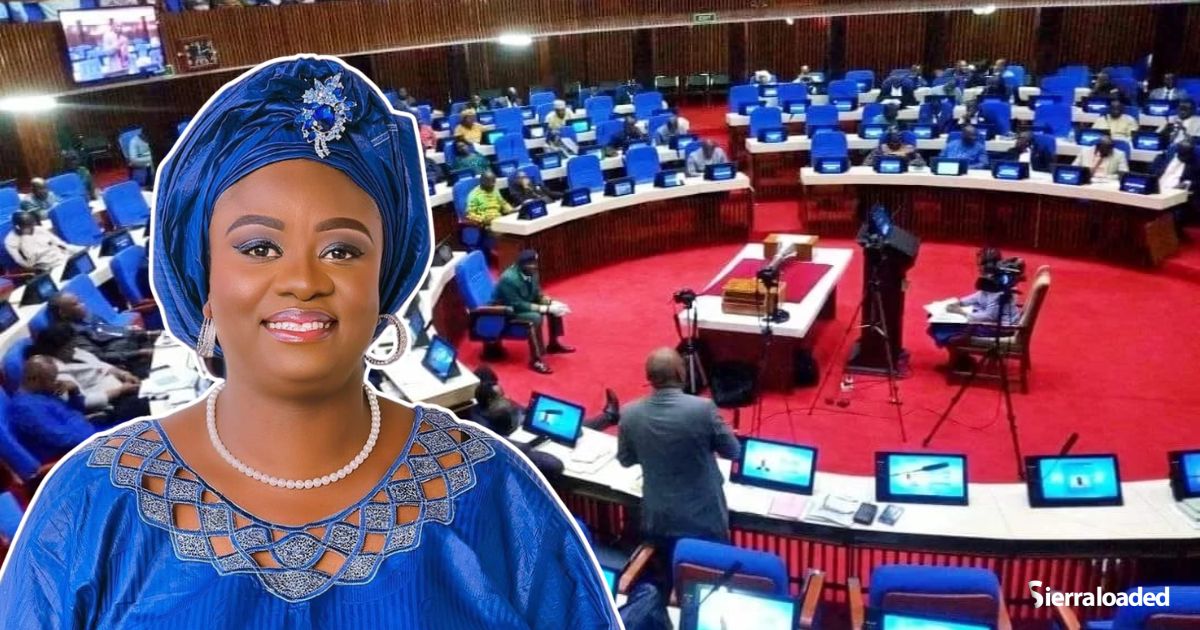
 Political commentator and media personality Dr Sylvia Blyden has said that the 1991 Constitution gives citizens and the mass media the right to publicly criticise and expose the Speaker of Parliament, Segepoh Solomon Thomas, if they believe his actions have disgraced the nation.
Her comments came after Parliament passed the constitutional amendment bill, a development that has generated debate over the interpretation of constitutional provisions governing the amendment process.
In a public statement, Dr Blyden argued that freedom of expression and civic accountability are protected under the Constitution. She maintained that public officials, including the Speaker of Parliament, can be openly criticised by citizens and the media when their conduct is considered contrary to the national interest.

Dr Blyden further stated that, apart from the President who enjoys constitutional immunity while in office, no other public office holder is above the law. She said other officials can be challenged through the courts if their actions are believed to violate constitutional or legal standards.



She strongly criticised the Speaker’s interpretation of Sections 89 and 91 of the Constitution, claiming it could create a situation in which only 19 Members of Parliament out of 149 elected MPs could vote in favour of a constitutional amendment and still alter the Constitution.
According to her, such an interpretation raises serious concerns about democratic representation and constitutional governance. She also said that citizens have a constitutional duty to speak out when they believe constitutional procedures are being undermined.
The passage of the constitutional amendment bill has continued to attract reactions from politicians, lawyers and civil society groups, with discussions focusing on parliamentary procedure and the meaning of the relevant constitutional provisions.