

Sierra Leone Teachers Abandon Classrooms for Census Jobs as TSC Threatens Discipline
 Ben Bassey
Sierra Leone’s Teaching Service Commission (TSC) has threatened disciplinary action against teachers in Koinadugu and Falaba districts who abandoned their classrooms to take part in a 12-day census training programme, exposing tensions between national data-gathering priorities and the delivery of basic education.
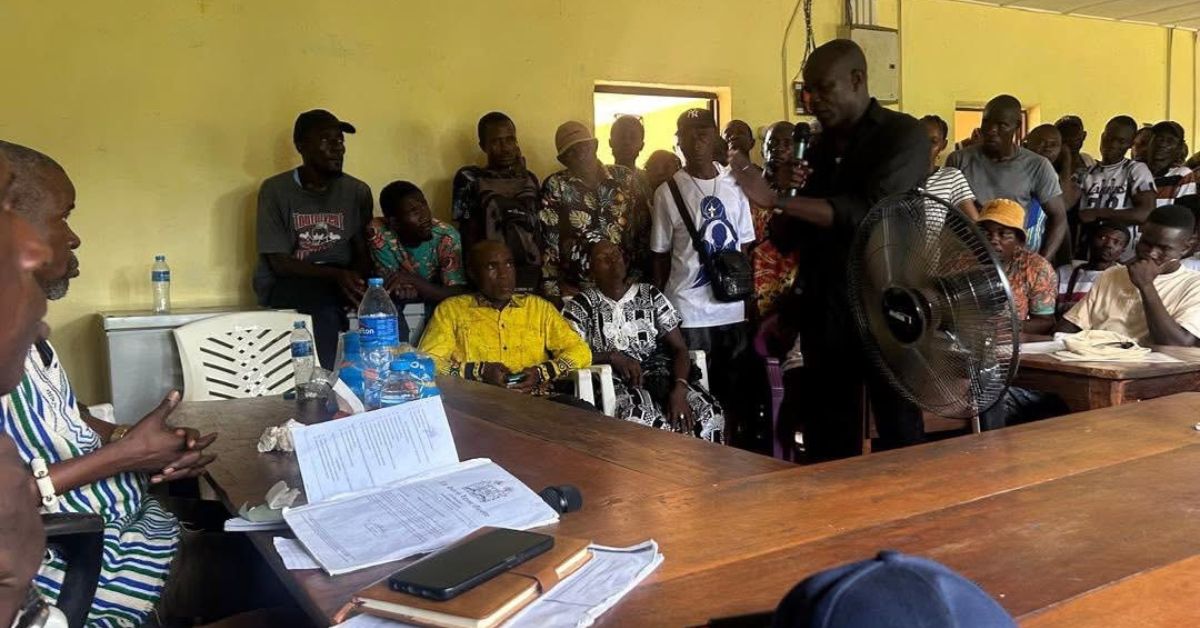
The warning follows complaints from school heads who reported growing teacher absenteeism during the Statistics Sierra Leone training for census enumerators and supervisors, according to reports from the two northern districts.
Paul Issa Kamara, Deputy Director of the TSC, said monitoring teams had been deployed to schools to identify and record the names of absent teachers. “Teachers who have left their respective schools must return to their classrooms,” Kamara said. “Those who fail to comply with this directive will face serious disciplinary action in accordance with the established rules and regulations governing the teaching profession“.

Rev. David Y. Marah, Education Secretary for MCA Schools in Falaba District, warned that the absences could disrupt school administration and harm pupils’ academic performance, particularly in remote communities where educational support is already limited. He stressed that pupils should not become “victims of circumstances” arising from competing demands on their teachers.


The TSC acknowledged the contribution of community teachers, who often outnumber government-appointed staff in underserved areas, and encouraged them to continue supporting schools during the training period.
The census training exodus is not an isolated incident. In 2022, the TSC suspended the salaries of 169 teachers in Bombali District who had abandoned their schools without notifying the Commission, some of them taking up jobs with NGOs. The National Teacher Policy for Sierra Leone also outlines disciplinary measures for breaches of the code of conduct, including withholding of salaries, suspension, and dismissal.
The TSC’s warning comes as Sierra Leone’s education sector grapples with persistent workforce challenges. More than 40,000 teachers are on the government payroll, but the Sierra Leone Teachers’ Union has raised concerns about low pay and delayed salaries, with some teachers earning less than US$100 a month despite holding advanced degrees. In 2025, the government restored 1,802 teachers to the payroll after 4,900 were suspended over verification issues.
The standoff in Koinadugu and Falaba highlights a difficult trade-off for a country preparing for a national census while trying to keep classrooms staffed. Education authorities have appealed to civil society organisations, district education officers, and communities to cooperate in ensuring that census activities proceed without undermining pupils’ right to education.
For now, the TSC’s message is unambiguous: teachers who do not return to their duty stations will face consequences. Whether that warning is heeded in the remote schools of Koinadugu and Falaba will determine how many children lose out while the census moves forward.