
Water Ministry Unveils Major Reforms to Improve Access Nationwide
 Kanja Sesay
 The Ministry of Water Resources has outlined a series of reforms and investments aimed at expanding access to safe and reliable water, improving sanitation services and strengthening the management of water resources across Sierra Leone.
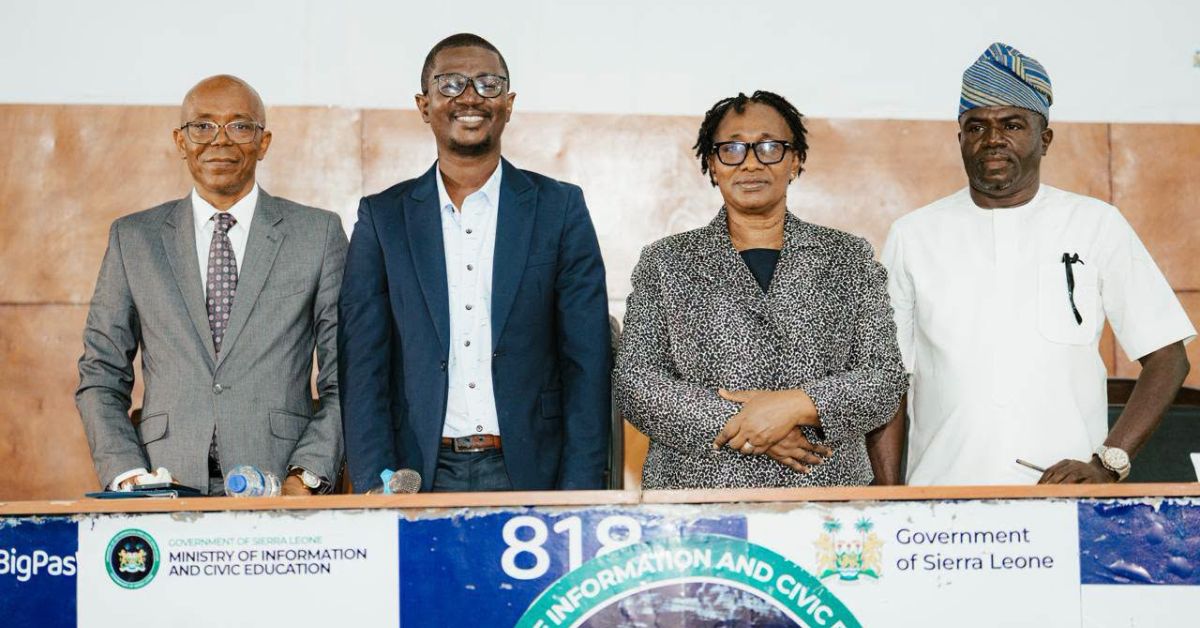
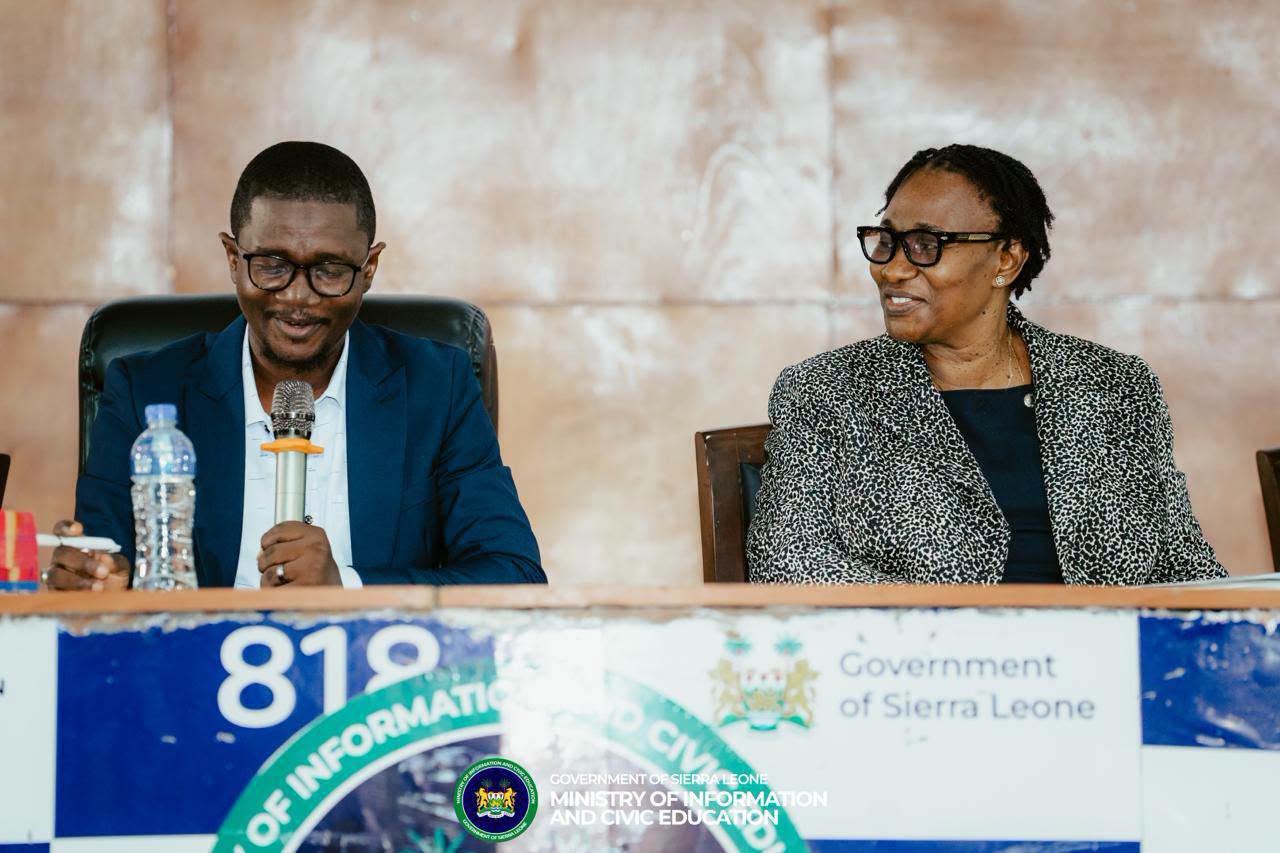
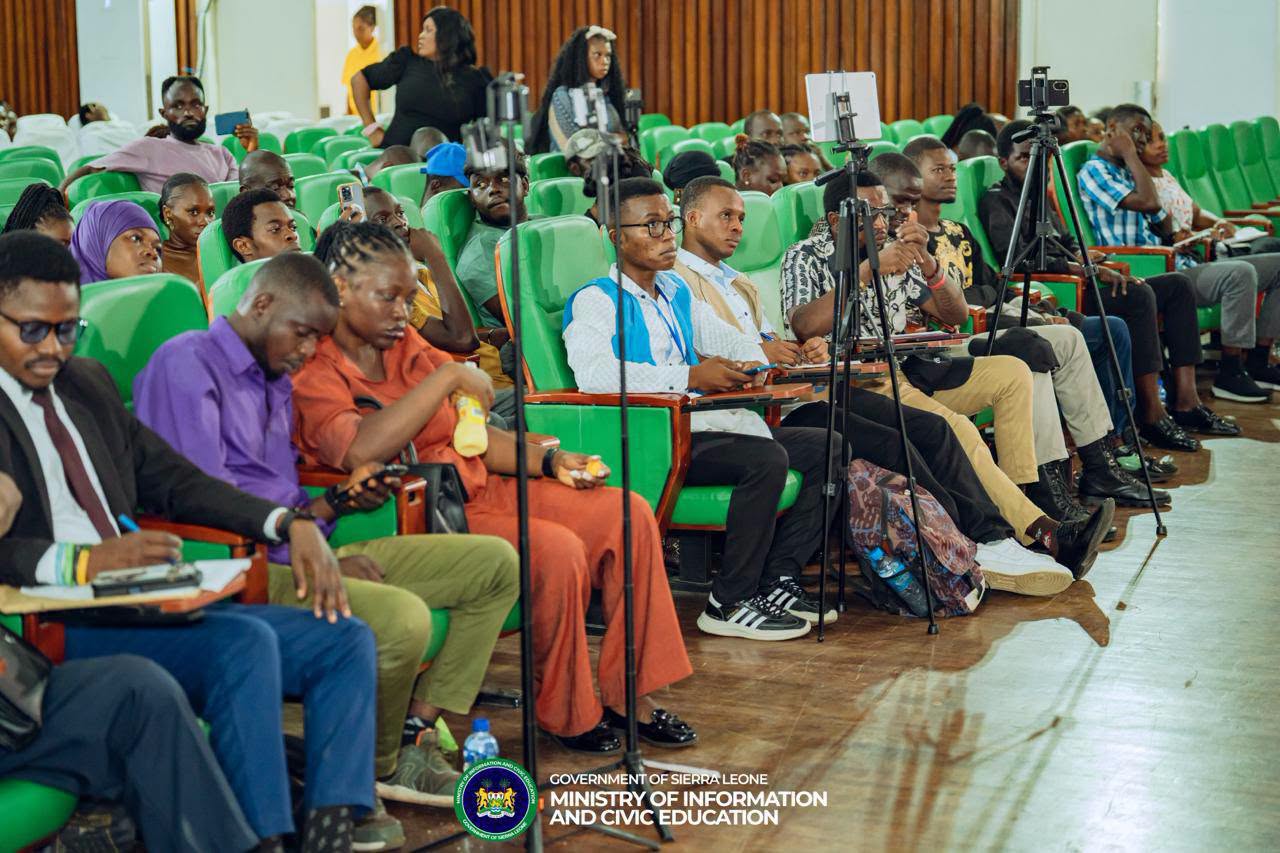
Minister of Water Resources Dr Sao-Kpato Max-Kyne provided the update on Tuesday, September 8, 2026, during the Weekly Press Conference held at the Miatta Civic Centre. The session was hosted by Mohammed Jaward, Strategic Communication Officer at the Ministry of Information and Civic Education.
The Minister said the Government, in collaboration with development partners including the World Bank, is implementing a comprehensive programme to address longstanding challenges in Sierra Leone’s water and sanitation sector.

According to Dr Max-Kyne, the programme is being implemented in phases and is expected to run over several years, with a focus on expanding water supply coverage, improving infrastructure and strengthening the management of water utilities.



One of the key components of the programme is the planned installation of approximately 23,000 smart water meters.
Dr Max-Kyne said the meters are intended to help reduce water wastage, improve monitoring and revenue collection, and promote more efficient and sustainable water services.
She also stressed the importance of consumers paying for water services, noting that revenue generated by utilities is necessary to support maintenance, improve operations and expand services.
The programme will also seek to address water losses and other inefficiencies through improved monitoring, metering and the commercialisation of water services.
The Ministry’s plans extend beyond water supply, with sanitation identified as another major component of the programme.
The Minister said the initiative will support improvements in sanitation facilities and waste management, including the construction of public toilets in communities where access to adequate sanitation remains limited.
The Government’s approach is intended to address water and sanitation together, given their importance to public health and the quality of life of communities.
Dr Max-Kyne also highlighted the need to protect Sierra Leone’s water sources from environmental degradation and human activities.
She said the Ministry is engaging communities and other relevant stakeholders to safeguard water catchment areas while exploring alternative livelihoods for communities whose economic activities may negatively affect water sources.
The Minister emphasised that protecting water resources is essential to ensuring that water supplies remain available and sustainable for future generations.
The Ministry is also seeking stronger coordination among institutions responsible for water and sanitation.
According to Dr. Max-Kyne, collaboration between local councils, water utilities, communities and other government agencies will be critical to the successful implementation and long-term sustainability of the programme.
The initiative is therefore designed not only to expand infrastructure but also to strengthen the institutions responsible for managing and delivering water and sanitation services.
Dr. Max-Kyne described the programme as a significant investment in Sierra Leone’s water sector, noting that its potential benefits extend beyond access to clean and reliable water.
She linked effective water and sanitation services to public health, economic activity, environmental protection and the overall wellbeing of citizens.
The Minister assured the public that the Ministry remains committed to ensuring that the programme produces tangible improvements in communities.
She also encouraged citizens to take ownership of water infrastructure, pay for services and play their part in protecting Sierra Leone’s water resources.
The Ministry’s latest plans come as the Government continues efforts to address longstanding gaps in water supply, sanitation infrastructure and water-resource management, with the success of the reforms expected to depend on sustained investment, institutional coordination and community participation.