

How Social Media Slang and Jargon Have Affected the English Language
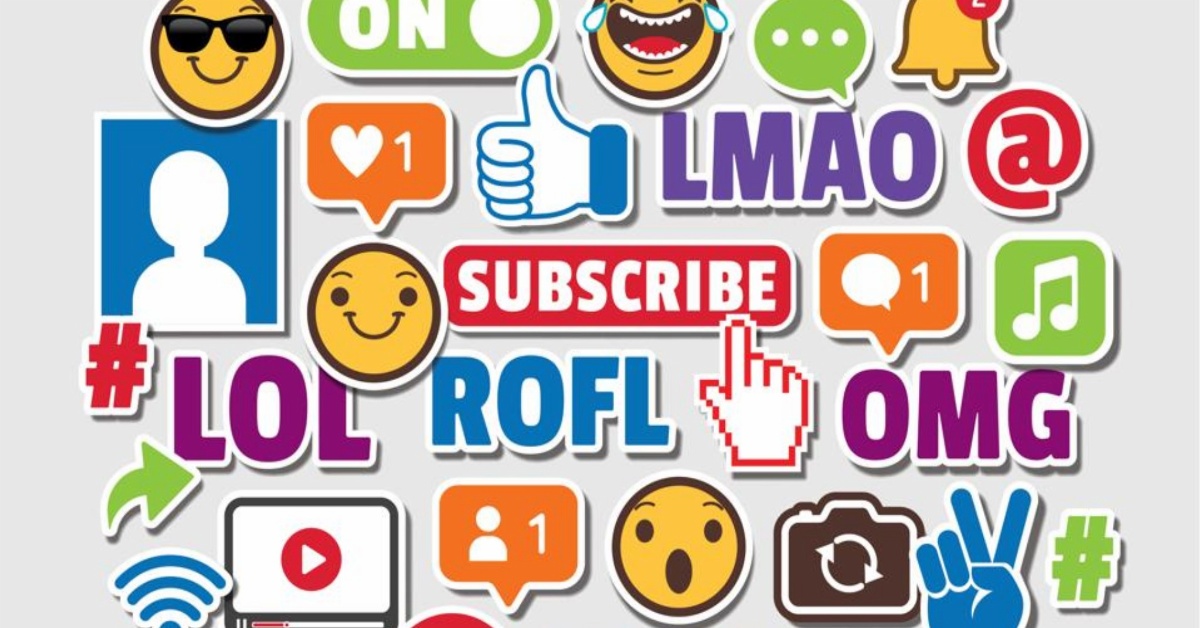
Social media slang and jargon, such as “143” (I love you), “ADIDAS” (all day I dream about sex), “AML” (all my love), “BFF” (best friend forever), “9” (parent is watching), and “99” (parent is no longer watching), have introduced new abbreviations and expressions into everyday communication. This trend reflects a broader shift in language use among the younger generation.
The desire for speed and brevity on phones and social media platforms has led many students to struggle with distinguishing between correct and incorrect English.
This phenomenon highlights a decline in the rigor of teaching morphology and syntax in schools. It is crucial for both teachers and parents to ensure that children acquire fundamental communication skills and maintain high standards of written and spoken English. Clear writing is essential not only for effective communication but also for clear thinking.

The prevalence of social media jargon is impacting both the English language and educational standards. It is concerning that many students are unable to write flawless English in their exams (WASSCE, BECE, NPSE), partly due to the influence of social media slang. Poor spelling and pronunciation are additional concerns linked to this trend.


Therefore, it is advisable for students and the general public to practice writing proper English, even in their social media interactions, to improve their language skills and maintain high educational standards.
It’s 100% true, this social media platform has hindered our progress in writing an speaking good English
This is fact 💯 beyond dispute.