

Sylvia Blyden Fires Back at Keketoma Sandi Over 2013 Constitutional Amendment Claims
 Sahid Bangura
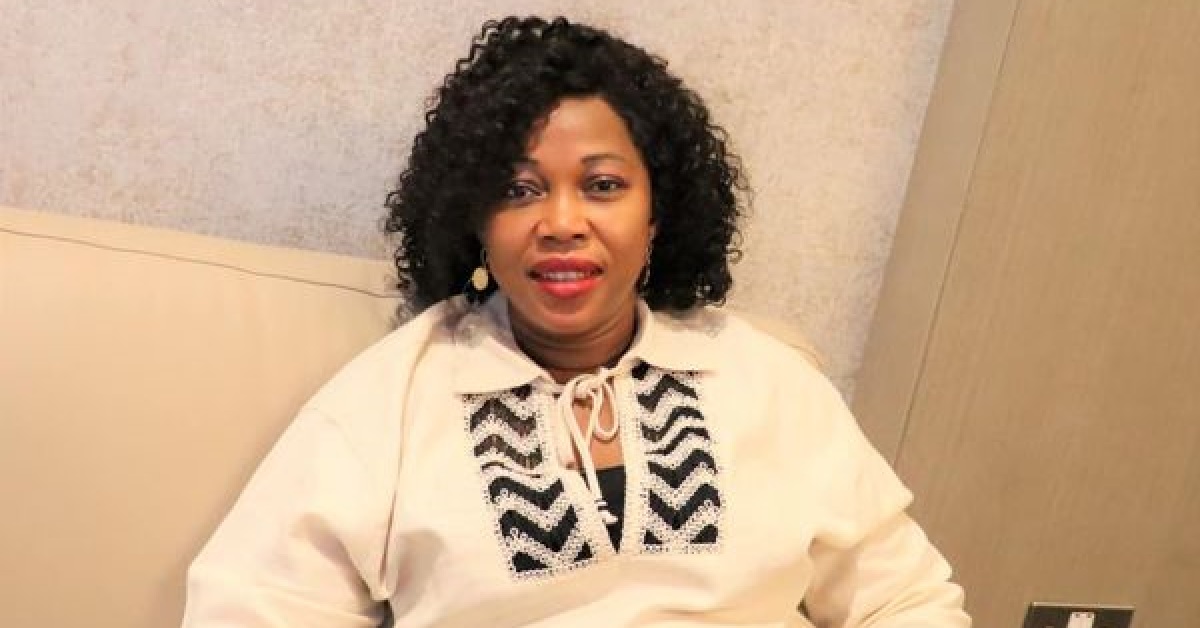
 Political commentator and media personality Sylvia Olayinka Blyden has strongly criticised Presidential Press Secretary Yusuf Keketoma Sandi over his account of the 2013 constitutional amendment process, accusing him of making what she described as false claims about the role of former President Ernest Bai Koroma and Parliament.
Blyden, who served as Special Executive Assistant to former President Koroma and said she acted as a liaison between State House and Parliament at the time, disputed Sandi’s assertion that the 2013 constitutional amendment was an initiative of the APC administration.
According to Blyden, the Bill originated from Members of Parliament and was supported on a bipartisan basis by APC and SLPP lawmakers, who she said collectively held a strong majority in Parliament.

She maintained that the lawmakers themselves owned and drafted the Bill before sending it to the Law Officers for final drafting approval. Blyden further claimed that if President Koroma had declined to assent to the legislation, MPs from both parties were prepared to invoke Section 106(8) of the Constitution to pass it without his signature.

Blyden said her direct involvement in the process at State House and Parliament gave her first-hand knowledge of the events surrounding the 2013 amendment.
She challenged Sandi to verify his account with Bernadette Lahai, who was the SLPP Leader in Parliament at the time, arguing that Lahai could provide an independent account of the bipartisan nature of the process.
Blyden described several assertions in Sandi’s statement as false and accused him of misrepresenting the circumstances surrounding the 2013 constitutional amendment.
Turning to the current constitutional amendment debate, Blyden also rejected the suggestion that the use of a voice vote in Parliament necessarily invalidates the legislative process.
In an addendum directed at a commentator identified as Zacharia Jalloh, she argued that the current Constitutional Amendment Bill had also proceeded through a voice vote after its second reading because no division was demanded.
She said APC MPs did not oppose the collection of voices at that stage because, in her account, they recognised progressive elements of the Bill, including provisions concerning women, while intending to debate the more controversial provisions at the committee stage.
Blyden urged those involved in the debate to improve their understanding of parliamentary procedure, particularly the practice of collecting voices during a voice vote.
Her response comes after Sandi accused the APC of double standards over constitutional amendments, citing the passage of the 2013 amendment as evidence that the opposition party had previously failed to meet the constitutional standards it now demands in relation to the 2026 amendment process.
Blyden, however, rejected Sandi’s comparison, arguing that the political and parliamentary circumstances surrounding the 2013 amendment were fundamentally different from those surrounding the current constitutional debate.