

MAFS, World Bank Train Officials on Food Security Monitoring Report
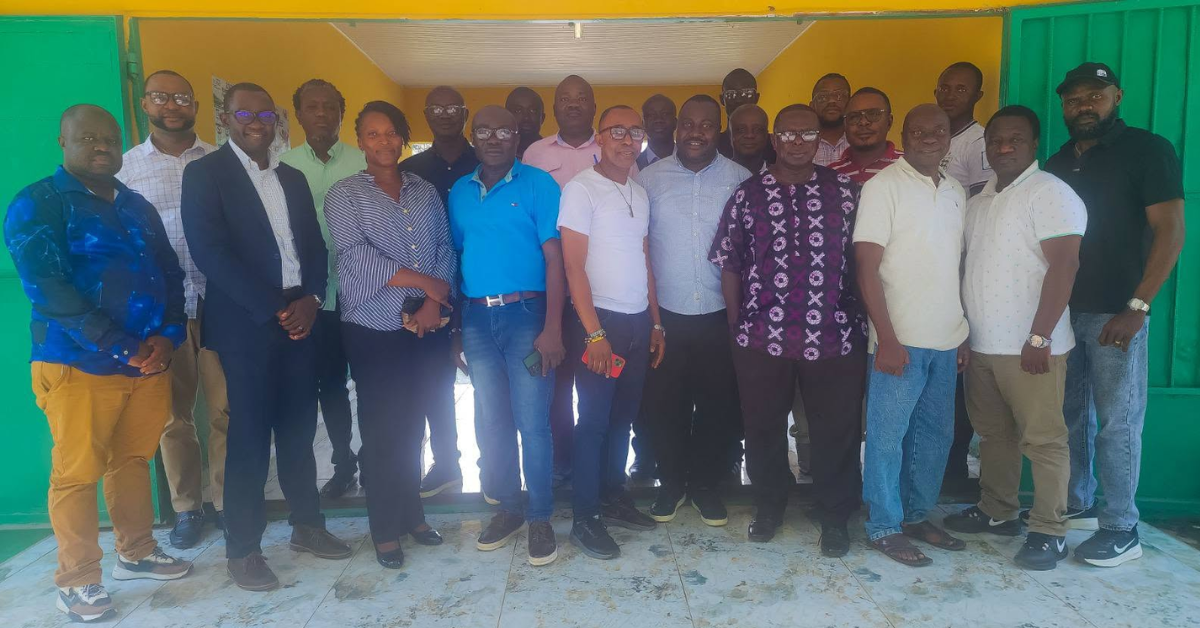
The Ministry of Agriculture and Food Security (MAFS), through the Food Systems Resilience Program (FSRP) with support from the World Bank Group, has concluded a two-day Joint Monitoring Report (JMR) workshop aimed at strengthening institutional capacity to improve food security response mechanisms in Sierra Leone.
The workshop brought together about 60 participants from government ministries, agencies, research institutions, and development partners to enhance their understanding of how to collect, analyse, and interpret data for timely interventions targeting farmers and vulnerable households.
According to organisers, the training focused on improving the use of cross-sectoral information to support early decision-making in areas such as seed distribution, nutrition interventions for at-risk children, and cash transfers for households facing sudden income shocks.

Participants were trained to monitor key indicators, including rainfall patterns, market price fluctuations, pest outbreaks, and nutrition surveillance, with the goal of establishing clear thresholds and response actions to address emerging food security concerns.



Speaking during the workshop, Julius Babatunde Adewopo emphasised the importance of the Joint Monitoring Report in reducing delays between the detection of warning signs and the implementation of response measures. He noted that early signals could help unlock funding and logistical support before food insecurity escalates.
FSRP Task Team Leader, Dr Adetunji Oredipe, described the training as part of a broader preparedness strategy, highlighting the Food Security and Nutrition Crisis Preparedness Plan as a key framework for coordinated institutional action.
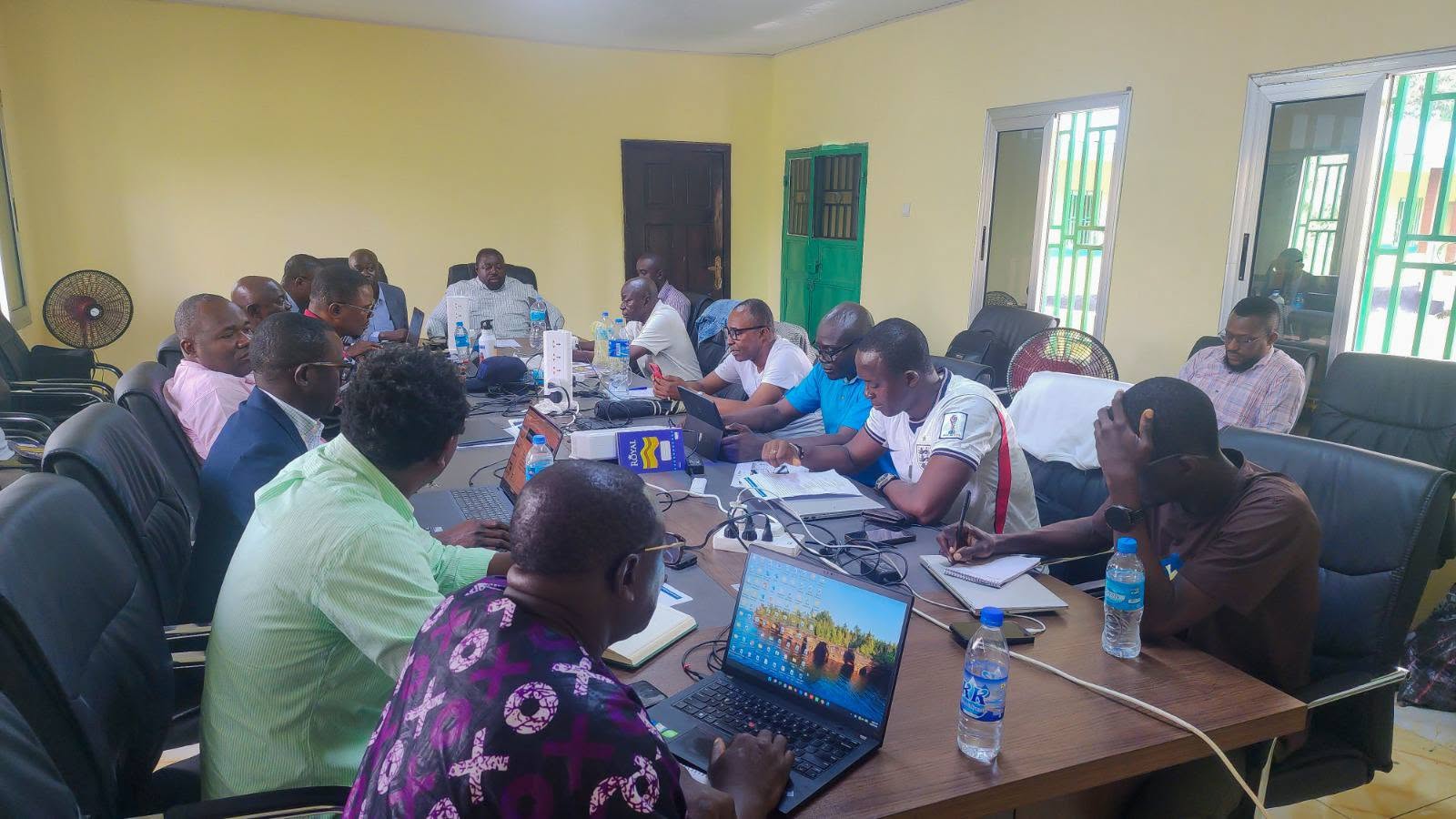
Also speaking, FSRP Project Manager, Dr Kepifri Lakoh, called for consistent field reporting and pledged continued support to ensure that the knowledge gained would contribute to regular Joint Monitoring Reports and improve real-time decision-making.
Participants also highlighted challenges, including data gaps in remote communities, irregular field reporting, and resource mobilisation constraints. Organisers said follow-up mentoring, simulation exercises, and stronger coordination between district and national actors would be prioritised to address these issues.