

Is the Lion Tamed? Emmerson’s Silence Since 2018
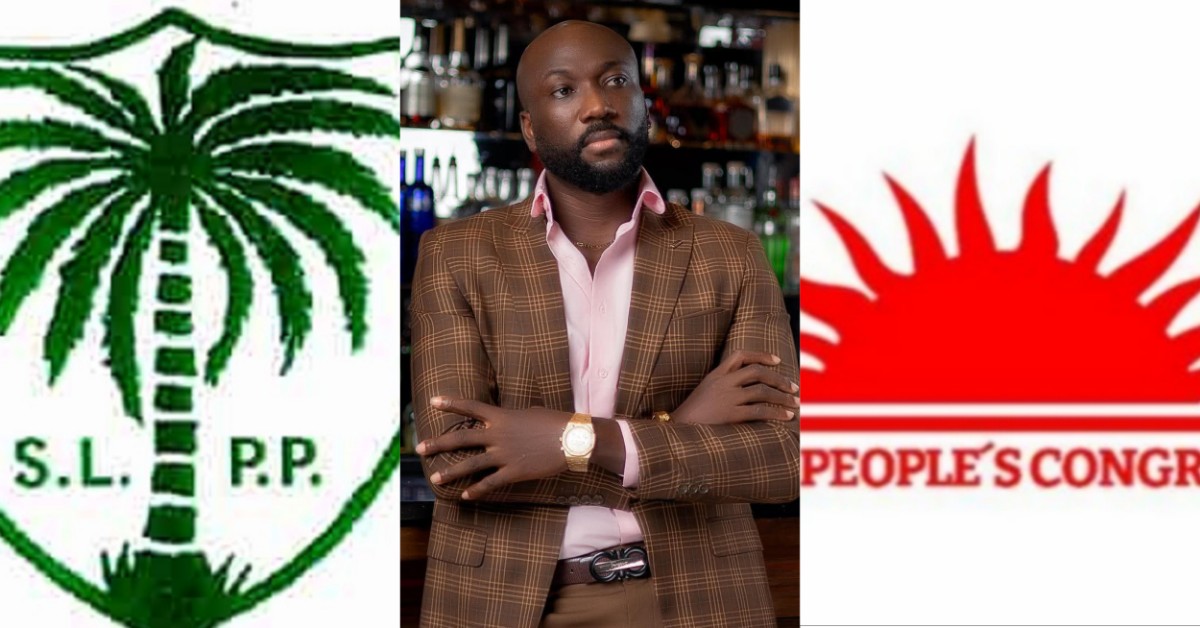
For years, Emmerson Bockarie was not just an artist – he was a political force. His microphone was a weapon. His lyrics were courtroom indictments. Governments feared his studio sessions because every release could shift public sentiment.
Today, however, the question dominating public discourse is uncomfortable but unavoidable: why has Sierra Leone’s once-fearless musical critic gone quiet?
In 2004, Emerson shook the political establishment with Borbor Belle – a blistering cultural assault on the then ruling Sierra Leone People’s Party under Ahmad Tejan Kabbah. The song mocked governance failures, deception, and elite hypocrisy.

Its satire was brutal. It did not whisper; it accused. Many still believe it became an unofficial anthem of protest that energized voters ahead of the SLPP’s defeat in 2007 Elections.



When the pendulum swung and the All People’s Congress took power under Ernest Bai Koroma, Emerson did not retreat. He sharpened his blade. Yesterday Betteh Pass Tiday was a direct indictment of broken promises and economic hardship.
Munku Boss Pan Matches openly criticized arrogance and misuse of power. His lyrics echoed in poda-podas, campuses, and opposition rallies. He gave frustration rhythm. He gave dissent melody.
Then came 2018. The SLPP returned to power under Julius Maada Bio. And suddenly, the revolutionary soundtrack faded.
Yes, Emerson released Suspects — but critics argue it lacked the surgical political targeting that once defined him. Gone were the bold metaphors aimed directly at incumbents. Gone was the fearless naming and shaming. Instead, listeners heard generalized commentary, careful language, softened edges.
The silence has grown louder than any chorus he ever recorded.
Citizens are asking difficult questions. Is this artistic evolution – or selective activism? Was the fire only reserved for certain administrations? If he once claimed to speak for “the people,” are the people suddenly silent now?
Sierra Leone is grappling with economic pressures, youth unemployment, political polarization, and governance concerns. These are precisely the conditions that once inspired Emerson’s sharpest work.
Political music is not neutral terrain in Sierra Leone. It shapes perception. It mobilizes opposition. It strengthens democratic accountability. Emerson’s earlier songs didn’t just entertain – they influenced national conversations and emboldened critics of those in power. His words carried weight because they were consistent, regardless of who occupied State House.
That consistency is what many feel is missing today.
An artist who builds his brand on fearless confrontation of authority cannot expect the public to ignore an extended pause when a different authority is in charge. Silence, in politics, is rarely interpreted as neutrality. It is interpreted as position.
Emerson once proved that music can challenge governments. The public is now waiting to see whether that courage was seasonal — or principled.
Was Emerson the only social commentary artist?
Emerson criticise both government( from 2004 to 2018).
If he now says he’s tired of such type of music,why the grumbling?
If the present opposition today is shouting against Emerson for not releasing any song under Bio’s government then why did they sanction him from launching at the national stadium if they really like his music?
Innocent,Reggae Spice etc used to sing for the current opposition then all of a sudden they dissappear.
When he was singing under the former government they said he belongs to the other government and now they want him to sing.
What is the problem with people?
Emerson is now over 20yrs in music if he decides to switch now then that’s his choice. Let other artist rise if they think it’s easy.
Anthony, nobody is saying Emmerson was the only social commentary artist. That’s not the point. The issue is about consistency and public expectation, not monopoly.
When someone builds a 20-year legacy on fearless political commentary — criticizing governments from 2004 to 2018 regardless of who was in power — people naturally associate that person with speaking truth to authority. That reputation wasn’t forced on him; it was earned through his own work.
If he now chooses to step away from that lane, yes, that is absolutely his personal choice. But you can’t blame the public for noticing the timing and asking questions. Public figures who shape political discourse will always face public scrutiny — that’s part of influence.
As for stadium bans or political hypocrisy, two wrongs don’t cancel each other out. If politicians once tried to silence him, that was wrong. If today people expect him to maintain the same critical energy across administrations, that’s not hatred — that’s expectation based on his history.
The real problem in Sierra Leone is that everything quickly turns into political camps. Instead of discussing accountability consistently, we jump to defending “our side.” Whether it’s artists or politicians, standards should not change depending on who is in power.
Emmerson has the right to evolve. The public also has the right to question the shift. Both can exist at the same time.
But na 2007 Emmerson sing brbr belly ooo not 2004
The iron don Ben😆😀
It’s honestly disappointing for many Sierra Leoneans to witness the sudden silence of someone who built his legacy on speaking truth to power. For years, Emmerson’s music challenged governments, exposed corruption, and gave voice to ordinary people who felt unheard. That courage is what made people respect him.
So when he suddenly went quiet in 2018, especially at a time when the country continues to face serious challenges, it naturally raised questions. People didn’t support him because of party politics — they supported him because he represented fearless accountability, regardless of who was in SH.
When an artist becomes the conscience of the nation, silence feels louder than any song. The disappointment many feel is not hatred — it’s the feeling of being left without the voice that once stood boldly for the masses.
Artists have influence. And influence carries responsibility.