

Foreign Affairs Minister Kabba Explains ECOWAS Position on Yenga Dispute, Xenophobic Attacks
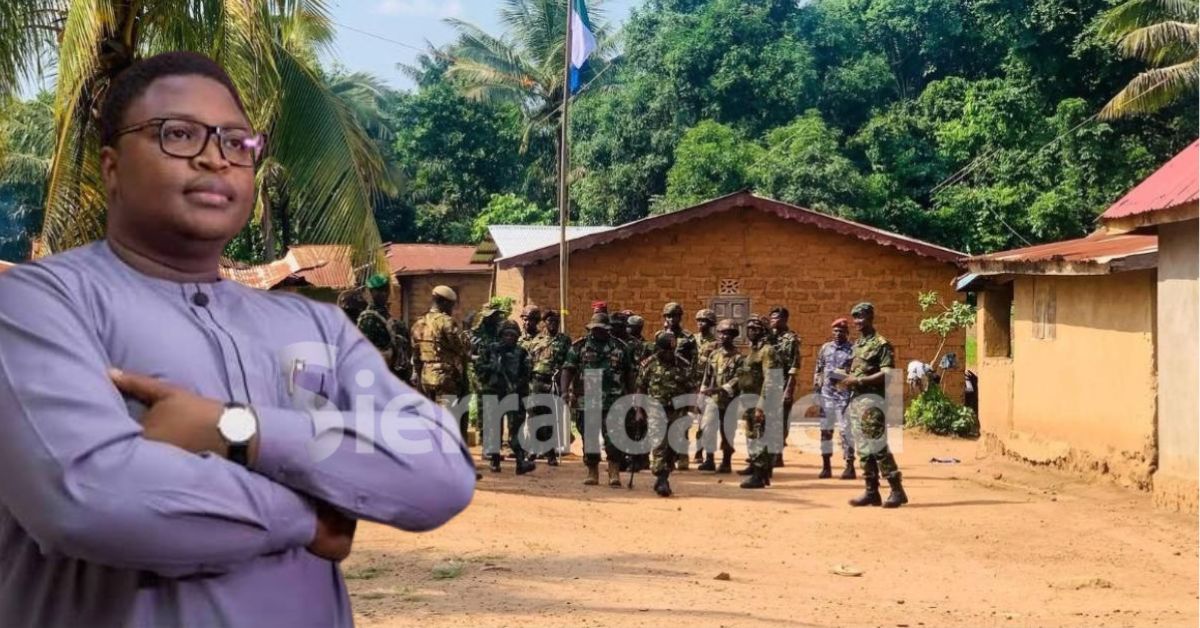
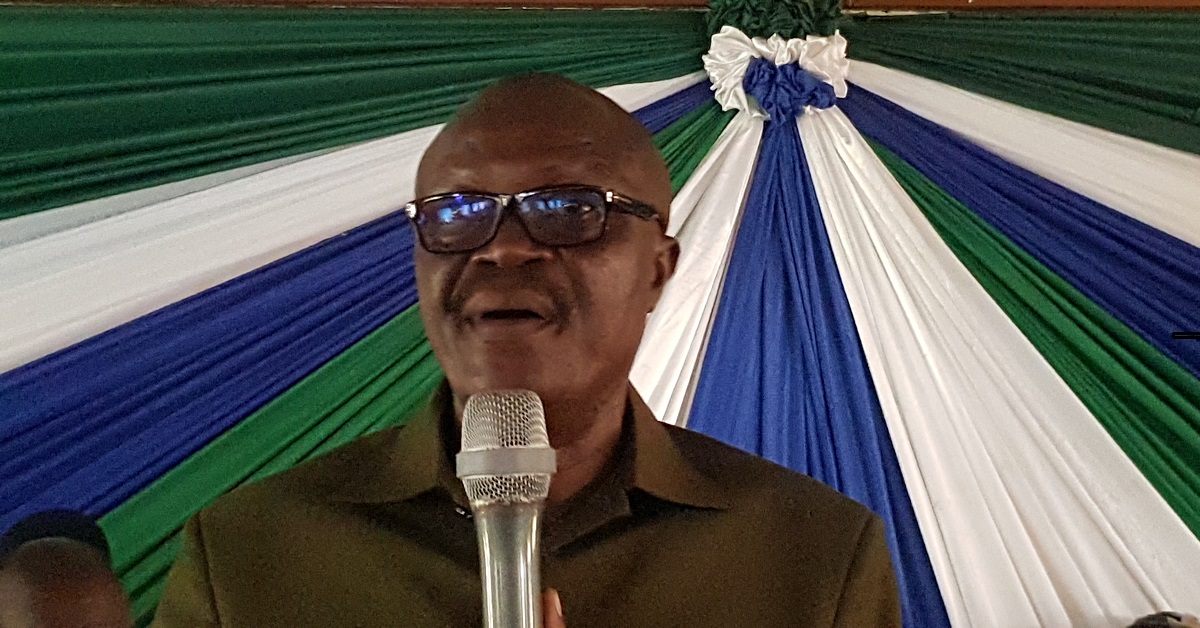
Minister of Foreign Affairs and International Cooperation, Alhaji Timothy Musa Kabba, has outlined the Economic Community of West African States’ (ECOWAS) position on key regional and continental issues, including the Yenga border dispute, xenophobic attacks in South Africa, reparative justice, and national reconciliation, while reaffirming Sierra Leone’s commitment to diplomacy and regional peace.
Speaking in an interview on Truth Media, Kabba defended the Government’s diplomatic handling of the longstanding Yenga border dispute with Guinea, stressing that expectations for the issue to have been resolved during Sierra Leone’s one-year chairmanship of ECOWAS were unrealistic, given that the territorial dispute has remained unresolved for more than 20 years.
He said the Government deliberately chose diplomatic engagement over military confrontation despite what he described as repeated provocations by Guinean security forces along the border. According to the Minister, although the Republic of Sierra Leone Armed Forces had the capacity to respond, they were directed to exercise restraint to allow diplomatic efforts to continue.

Kabba referenced the alleged shooting incident at Kotoma Village in Kailahun District on 28 April, where Guinean security personnel reportedly discharged several rounds of gunfire. He said the incident heightened tensions but maintained that Sierra Leone remained committed to resolving the matter peacefully through dialogue.
The Minister noted that the issue was further discussed during the Mano River Union Summit held in Conakry, Guinea, on 6 June, where regional leaders examined border-related concerns affecting member states. He added that Guinea also has similar territorial challenges with Liberia, particularly in Lofa County, expressing confidence that continued engagement through the Mano River Union would ultimately deliver a peaceful settlement.
On regional security, Kabba disclosed that ECOWAS Heads of State and Government formally addressed xenophobic attacks against foreign nationals in South Africa during the recent ECOWAS Summit in Freetown. He said the regional bloc adopted a unified position to elevate the matter to the African Union, with the decision incorporated into the summit’s official communiqué.
Describing the attacks as unacceptable, the Minister said they warrant strong international condemnation, especially considering the historic role many African countries played in supporting South Africa’s struggle against apartheid. He noted that Sierra Leone and several other African nations had contributed materially and financially to the African National Congress during the liberation movement.
He further stated that countries such as Nigeria and Ghana had been compelled to repatriate citizens affected by the attacks, adding that ECOWAS is seeking stronger continental action while encouraging the South African Government to hold those responsible accountable.
Kabba also praised Ghana for championing reparative justice at the United Nations through its advocacy for redress over the historical injustices of slavery and colonialism. He argued that the issue remains relevant in contemporary international discourse and expressed optimism that Ghana’s expected assumption of the African Union Chairmanship in 2027 would strengthen West Africa’s influence on major continental priorities.
Addressing domestic political matters, the Foreign Affairs Minister clarified that former President Ernest Bai Koroma attended the recent ECOWAS Summit in Freetown after formally seeking and receiving approval from President Julius Maada Bio. According to Kabba, the request was granted in the spirit of national reconciliation, allowing the former President to attend as an invited guest.
He emphasised that Koroma did not participate in the closed session reserved for sitting Heads of State and Government, but attended solely as an observer to witness Sierra Leone’s hosting of the high-level regional summit.
Reflecting on the events of 26 November 2023, Kabba described the incident as a serious challenge to Sierra Leone’s democracy and extended condolences to the families of civilians and security personnel who lost their lives. He called on Sierra Leoneans to reject political division, embrace reconciliation and safeguard the country’s peace as preparations gradually begin for the 2028 general elections.
The Minister concluded by urging citizens to draw lessons from the country’s civil war and work collectively to strengthen national unity, preserve peace and promote sustainable development in the broader interest of Sierra Leone.