
Sierra Leone Delegation Begins Land Reform Study Tour in Ghana, Kenya
 Aminata Koroma
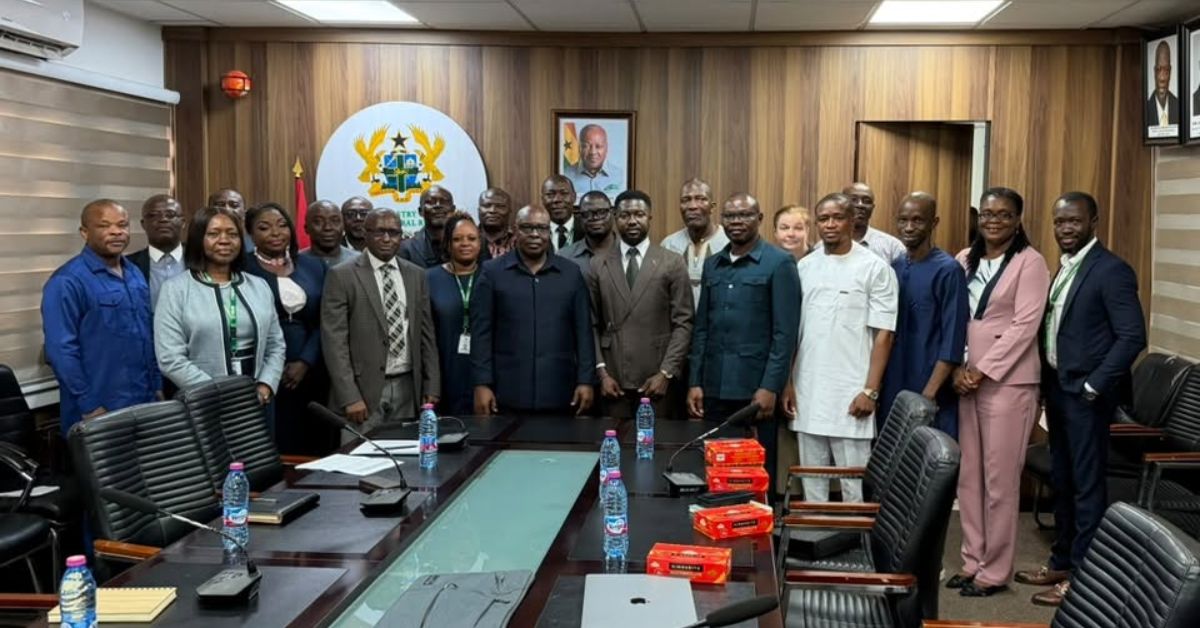
 Sierra Leone has dispatched a high-level delegation to Ghana and Kenya for a two-week comparative study tour focused on land administration reform and modernising land governance.
Rather than a routine exchange, the mission is being framed as a strategic learning exercise aimed at rethinking how land is managed, recorded, and governed in Sierra Leone. The delegation is examining how peer African countries have navigated complex legal, institutional, and digital reforms in the land sector.
Led by the Deputy Secretary of the Ministry of Lands, Housing and Country Planning, Alusine Sesay, the team brings together officials from the Sierra Leone Land Administration Project, the Ministry itself, the National Land Commission, the Office of the Administrator and Registrar General, Medici Land Governance, and traditional leadership, represented by Paramount Chief PC Bai Forki Fenka of Maforki Chiefdom.

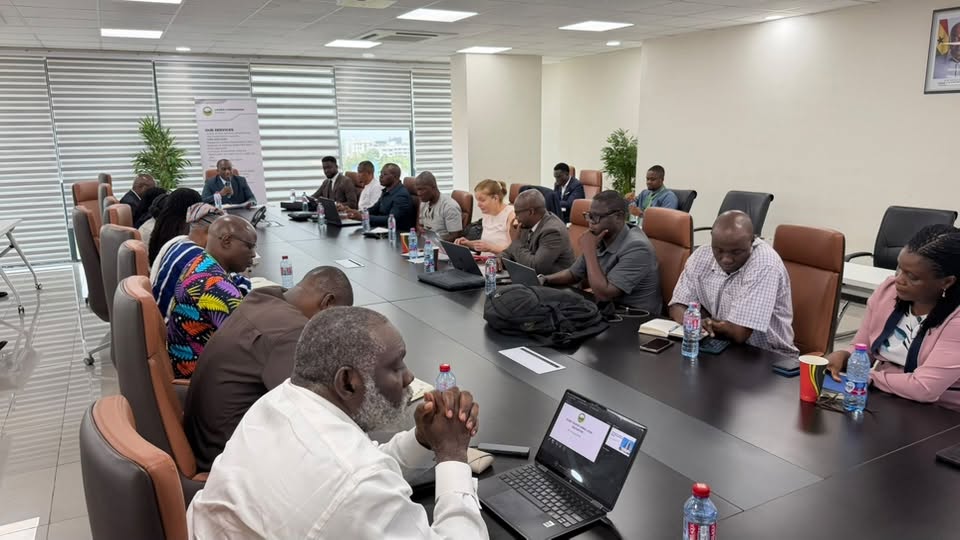
The programme opened in Accra with engagements at Ghana’s Ministry of Lands and Natural Resources, followed by sessions at the Ghana Land Commission, where the broader reform experience of Ghana was presented and discussed.
Speaking during the opening engagements, Alusine Sesay described the visit as a critical opportunity to reassess Sierra Leone’s own reform trajectory. He noted that Ghana’s land governance system offers valuable, tested approaches that could inform and strengthen ongoing reforms back home.
The Commissioner General of Sierra Leone’s National Land Commission also used the platform to brief Ghanaian counterparts on the current state of land administration reforms in Sierra Leone, highlighting institutional progress while identifying gaps where external learning is essential.
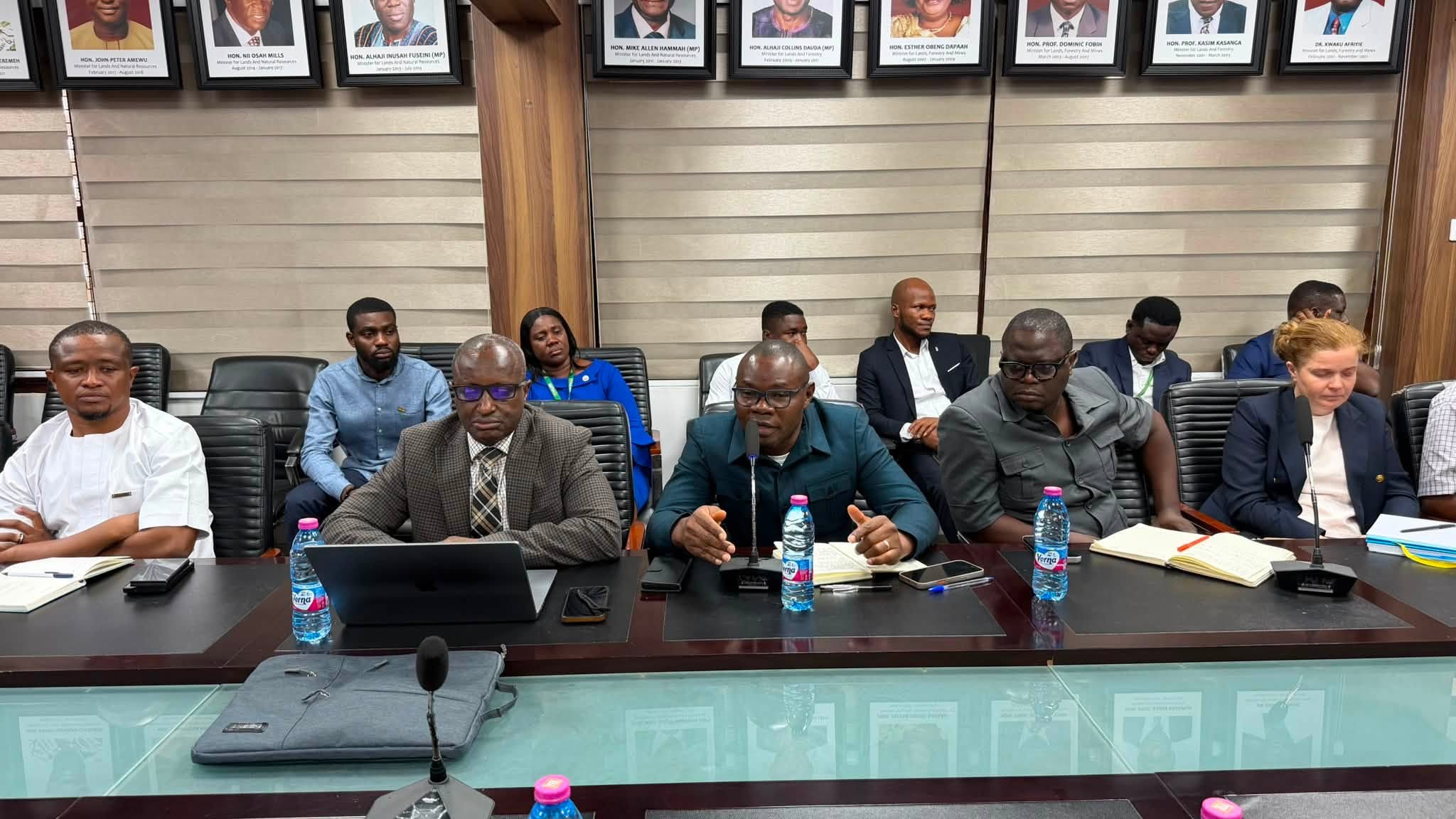
Over the course of the visit, the delegation is expected to participate in technical briefings, field visits, and peer-to-peer institutional exchanges designed to provide practical exposure to Ghana’s land administration systems before continuing the programme in Kenya.
The initiative reflects a broader shift toward South-South collaboration in governance reform, with Sierra Leone increasingly turning to regional experiences to shape its own path toward a more efficient, transparent, and modern land administration system