

Sierra Leone Should Use PR or First-Past-the-Post System When Circumstances Demand it – APC Chairman
 Alex Fefegula Harding
 The main opposition All People’s Congress (APC) has firmly rejected government proposals to permanently adopt a proportional representation (PR) system for future elections, arguing that the Constitution envisions a flexible approach that prioritises constituency-based voting.
The APC contends that Section 38 of the 1991 Constitution establishes constituency-based, First Past the Post (FPTP) voting as the country’s default electoral framework. Party leaders argue that the PR, or District Block system, is a contingency measure only meant for emergencies.
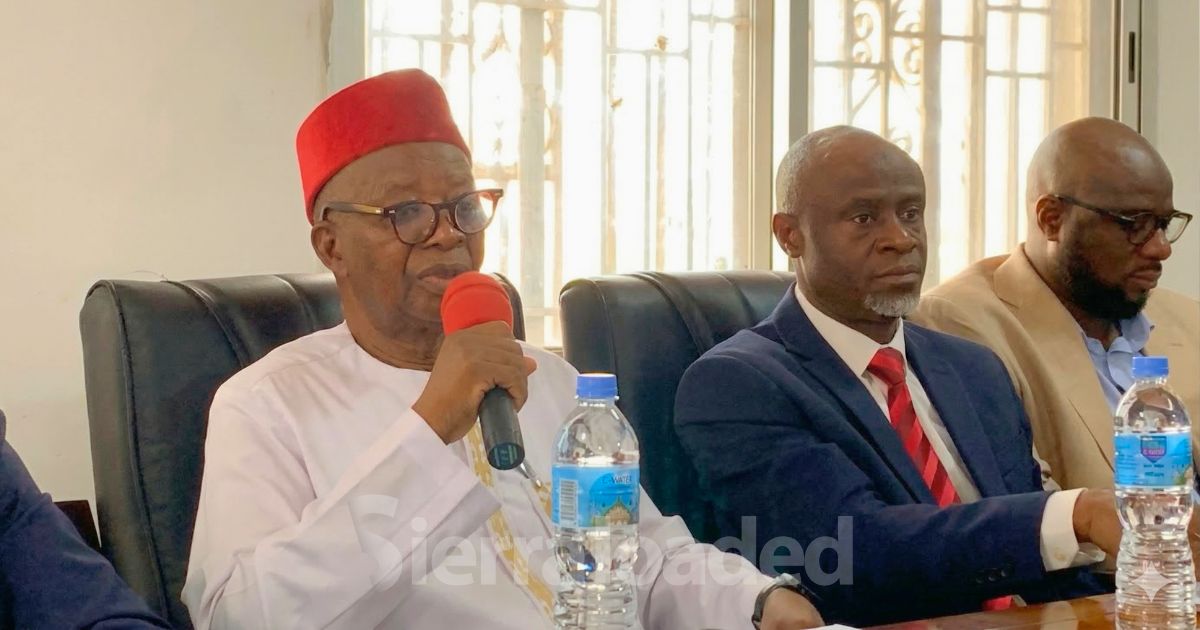
“As far as the APC is concerned, both the PR system and the first-past-the-post system are embedded in Section 38 of the Constitution,” APC Chairman Osman Foday Yansaneh said in a recent interview. He emphasized that the systems should be applied based on the country’s immediate circumstances, arguing against a permanent change. “If nothing is broken, leave it intact,” Yansaneh added.

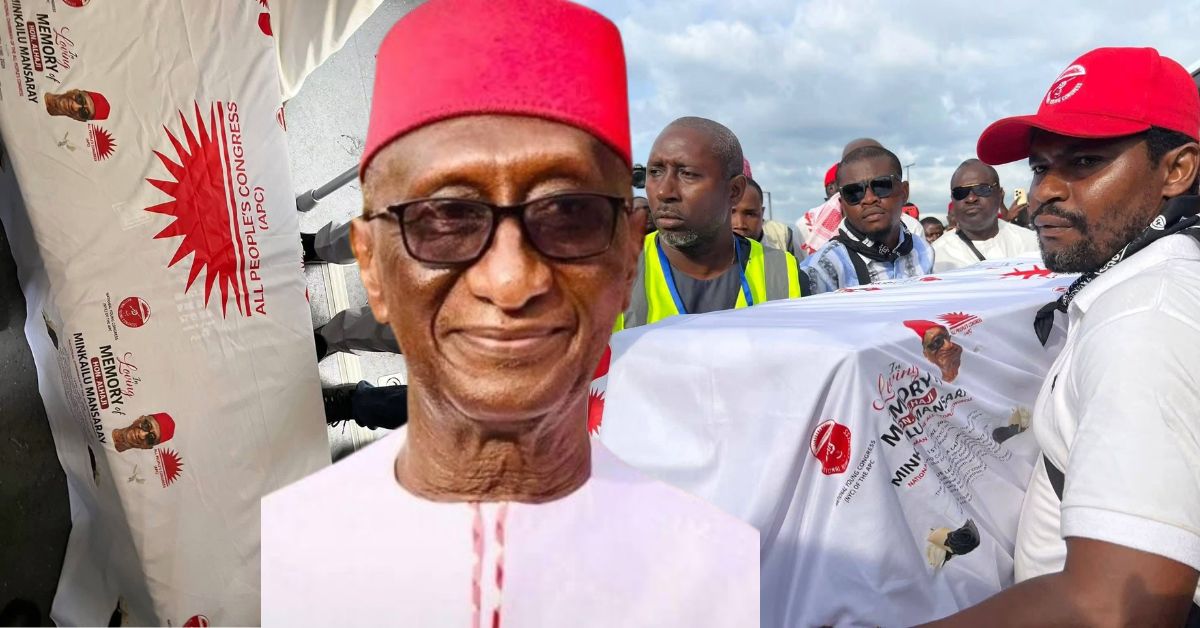
Hon. Daniel DM Koroma, APC Deputy Leader 1 in Parliament, echoed these concerns, noting that Section 38A was designed strictly for crises and that proper national dialogue on electoral reform has not yet taken place.


The party argues that making the PR system permanent would marginalize grassroots and youth candidates, rendering parliamentary selection expensive, elitist, and less accountable to voters since officials would be appointed by party leadership rather than directly elected by constituents.
“Section 38A was designed for crises. Proper national dialogue on the electoral system hasn’t even begun,” stated Hon. Daniel DM Koroma, APC Deputy Leader 1 in Parliament.
The current debate follows the disputed 2023 elections and the subsequent Agreement for National Unity. A Tripartite Committee issued 80 reform recommendations in June 2024, but the APC claims implementation has stalled .
The disagreement forced the APC to boycott Parliament earlier this year, disrupting legislative business. However, mediated talks in April 2026 led the APC to end its boycott after the government committed to restructuring the Electoral Commission for Sierra Leone (ECSL) by December 2026 .
Despite this breakthrough, tensions remain high over proposed constitutional changes, including the PR system . Parliament is currently debating the Constitution of Sierra Leone (Amendment) Bill, 2025, which proposes introducing a PR system ahead of the 2028 elections.
A recent survey by the Campaign for Human Rights and Development International found that 68% of Sierra Leoneans actively reject the PR system . Major national institutions, including the Sierra Leone Labour Congress and the Council of Churches Sierra Leone, have also issued position papers rejecting the PR model .
“The APC still believes the PR system is not good for this country,” Yansaneh said. “We are committed to defending democracy and the will of the people”.
The party has warned of peaceful protests if reforms are pushed through without consensus
PR system is not good at all
The people have no voice cuz the party elects their choice and the candidate works for them and not the constituents
The Propositional Representation is not bad as the APC sees it, especially if the threshold is reduced drastically from the present 11.9 % to 5.5 or less making it possible for smaller parties and independent candidates to represent their people in parliament. The current threshold is not Democratic at all and it makes it impossible for small parties and independent candidates to represent their people.
The problem with the PR is the threshold, if the threshold is amended it is a system that creates more peace and reduces political tensions during Bye elections.