

Civil Society Warns Government Against Repeating Past TVET Failures
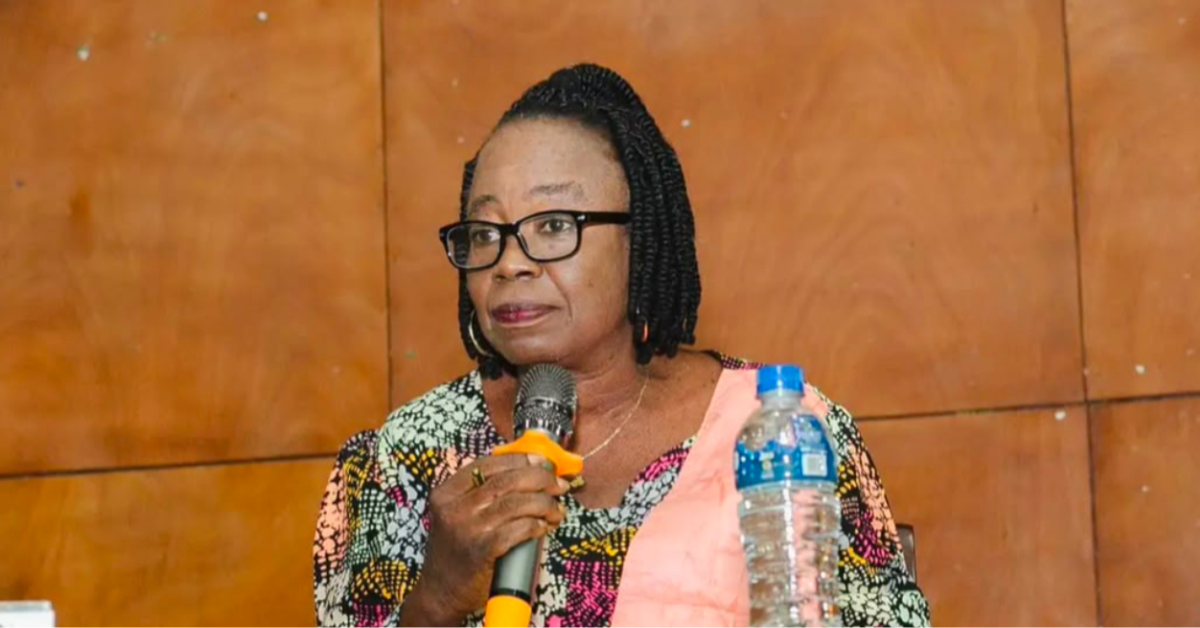
The National Coordinator of the Civil Society Movement Sierra Leone, Juliet Anderson, has cautioned that ongoing technical education reforms could repeat past failures unless they are backed by sustained funding, qualified tutors, and adequate resources.
Anderson said technical and vocational education should be treated as a key driver of economic growth rather than an alternative pathway, stressing the need for institutions to provide practical, industry-relevant skills.
Her remarks on 5 August 2026 come as the Ministry of Technical and Higher Education works with international partners to modernise Sierra Leone’s TVET sector, including plans to transform government technical institutes into community colleges linked to universities.

She referenced technical training centres established under the post-war Disarmament, Demobilisation and Reintegration (DDR) programme between 2001 and 2004, warning that many failed to achieve long-term impact due to limited job opportunities and weak sustainability after donor support ended.


Anderson noted that the lessons from the past are important as President Julius Maada Bio’s administration advances skills development under the “Big Five Game Changers” agenda, which targets a youthful population with more than 60 per cent under the age of 35.
She also highlighted concerns over funding, noting that Technical and Vocational Education and Training (TVET) receives only three per cent of the education budget, despite education accounting for 21 per cent of the national budget. She joined calls for increased investment to strengthen the sector.
Agriculture remains a major focus of the reforms, with initiatives supporting the development of occupational standards for rice and cassava value chains to better connect training with economic priorities.
Despite past challenges, Anderson expressed confidence that with proper planning, sustained funding and effective implementation, the reforms could help transform Sierra Leone’s workforce and human capital development.