
President Maada Bio Says School Feeding Now Reaches Over One Million Pupils
 Ben Bassey
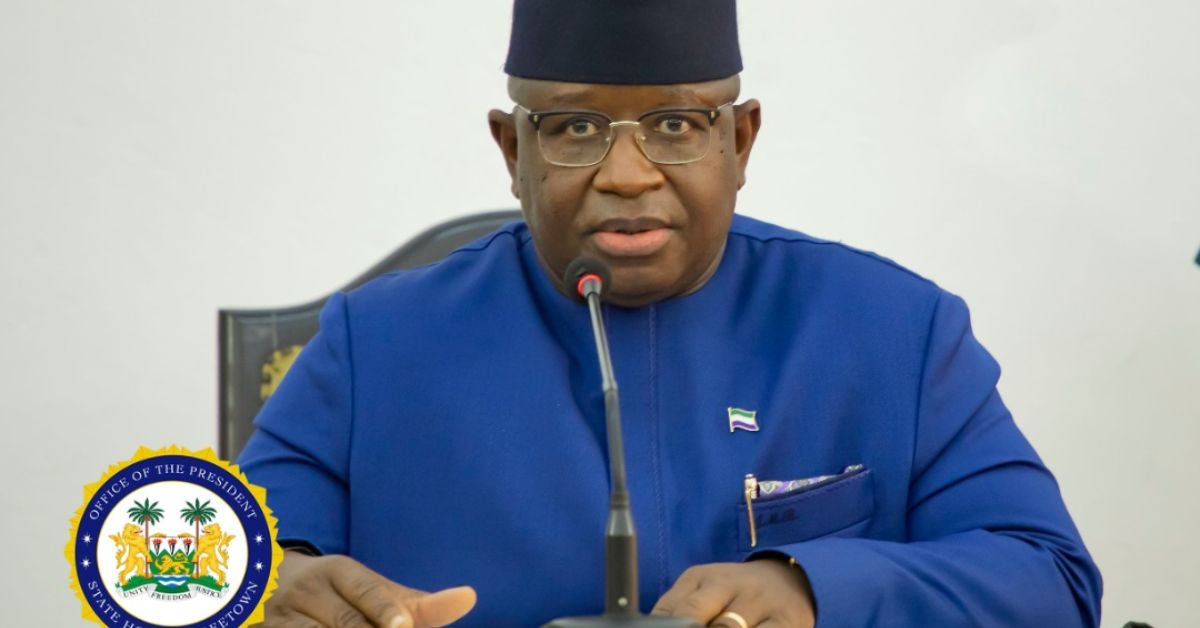
 President Julius Maada Bio has announced that Sierra Leone’s school feeding programme now reaches more than one million pupils across 15 districts, a milestone he attributed to massive investment in domestic rice production and the Feed Salone initiative.
Delivering his address at the State Opening of Parliament on Friday, 7 August 2026, in the Chamber of Parliament at Tower Hill in Freetown, President Bio said locally produced rice now feeds 270,000 schoolchildren daily. The initiative is improving school attendance while easing financial pressure on families.
The President highlighted that rice production has steadily increased, with Sierra Leone’s self-sufficiency rising from 68 percent in 2023 to 73 percent in 2025, cutting the national rice import bill by over US$18 million.

The school feeding programme is a central pillar of Feed Salone, one of the government’s flagship initiatives launched in 2023 to strengthen food security and reduce hunger through a coordinated approach linking agriculture, nutrition, and education.
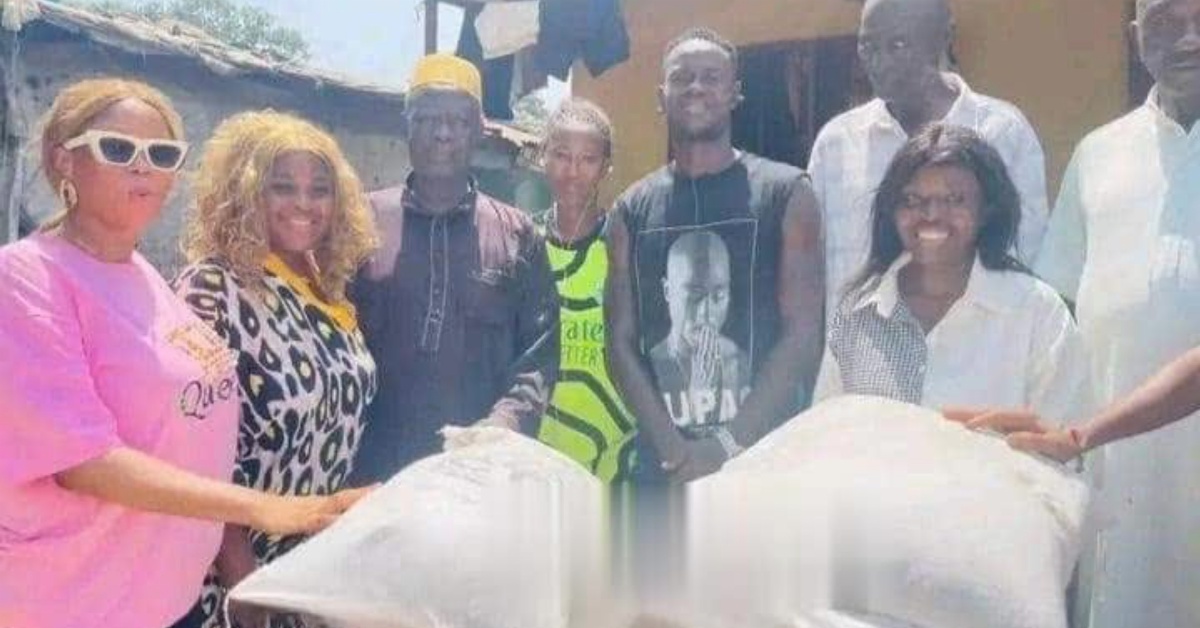
On 4 August 2026, the government officially launched the 2026/27 Home-Grown School Feeding Programme, with the Ministry of Agriculture and Food Security handing over 20,000 bags of locally produced rice, one million kilograms, to the Ministry of Basic and Senior Secondary Education.
Minister of Agriculture and Food Security Dr Henry Musa Kpaka described the procurement as “Feed Salone in action,” noting that the government, with support from the World Bank-funded Food Systems Resilience Programme, enabled the World Food Programme to purchase rice directly from local farmers. The rice is valued at NLe22 million (approximately US$1 million) and will provide school meals for children in five districts while injecting income into rural farming communities.
The World Food Programme reports that food insecurity in Sierra Leone has dropped significantly, from 28 percent of households in 2023 to 13 percent in 2025.