

Where Are the Jobs? Sierra Leone’s Youth Wait as Private Sector, Not Government, Emerges as Key to 500,000 Pledge
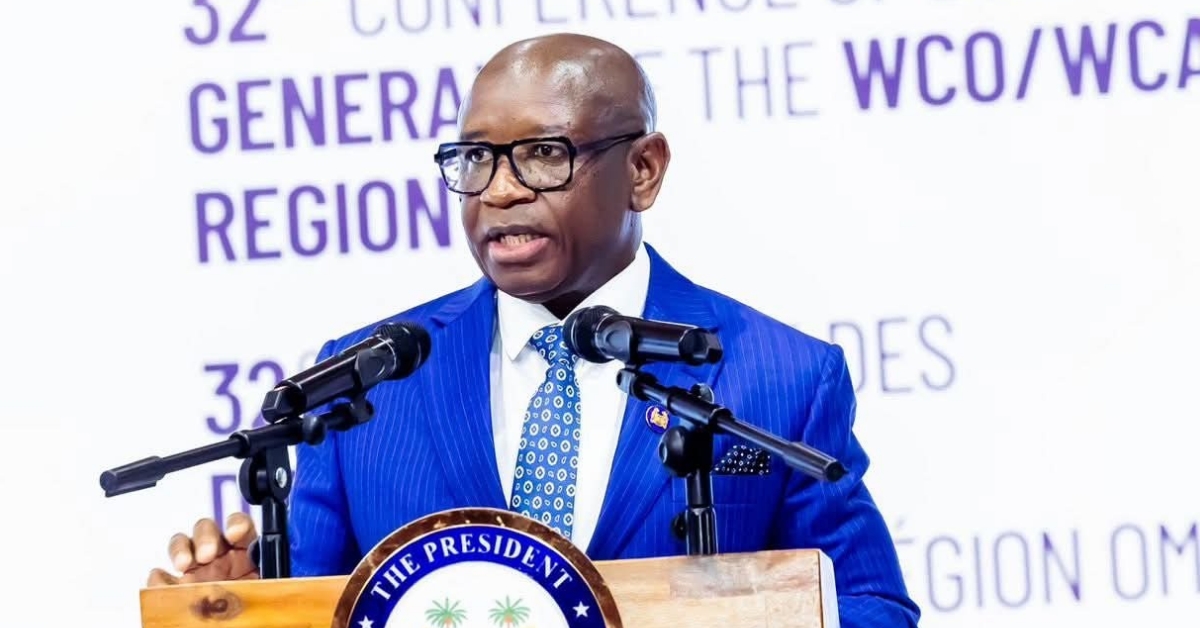
On International Youth Day, Sierra Leone’s flagship promise of 500,000 jobs rests on a reality its own Labour Congress has publicly acknowledged: the government cannot deliver this alone.
While President Bio has declared 2026 a “Year of Action” for implementation, the clearest pathway to mass employment appears to be through private investment, exemplified by a domestic company’s proposed seaport project that could generate up to 100,000 indirect jobs.
The government’s strategy has leaned on direct interventions. Under the Productive Social Safety Nets and Youth Employment Project, backed by the World Bank, 1,500 young entrepreneurs in Makeni received USD 300 grants—a $450,000 injection into the local economy. Officials also point to expanding technical and vocational training as a means to enhance employability.

However, the scale of these efforts contrasts sharply with the target. The World Bank estimates Sierra Leone’s economy currently generates approximately 41,000 jobs annually, a figure that underscores the gap between political ambition and economic reality. An official fact-check revealed that claims of “over two million jobs created” were misattributed and inaccurate, as the government’s own development plan maintains the 500,000 target for 2030.
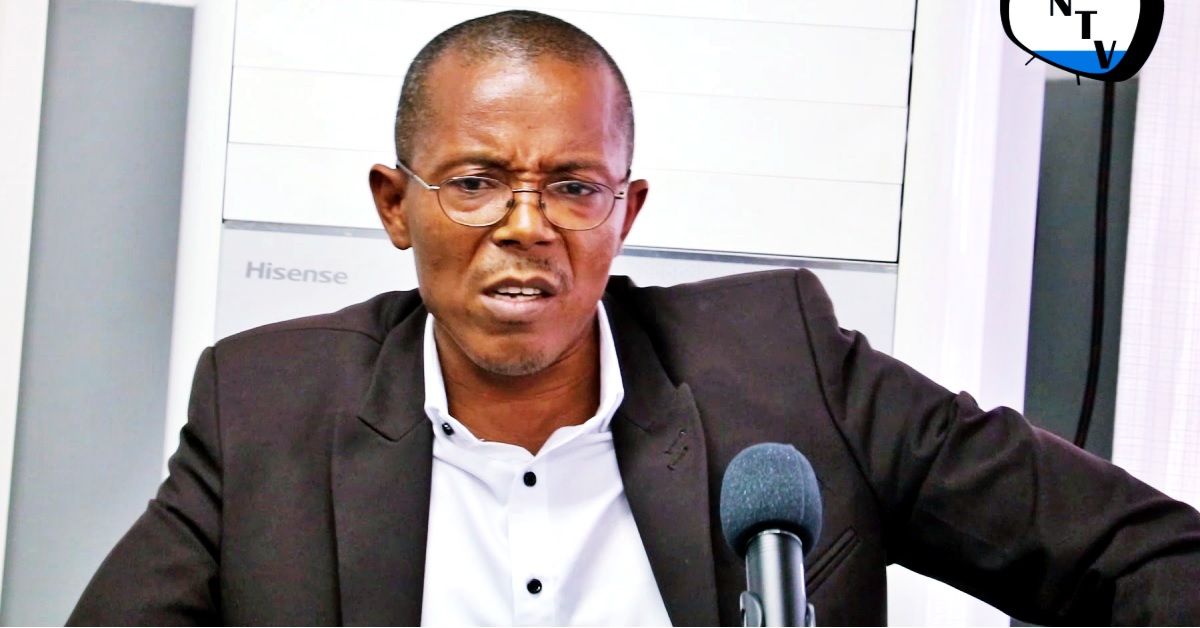
Labour leaders, in their May Day statement, positioned the private sector as the “sure bet” for large-scale employment. They urged the government to remove macroeconomic roadblocks—inflation, high interest rates, and heavy taxation—to allow businesses to thrive. This has thrown significant support behind the Gento Group’s planned Banana Island and Kent Harbour Terminal, a locally-owned infrastructure project.
Civil society groups, echoing the Labour Congress, estimate the port could create over 1,000 direct construction jobs and up to 100,000 indirect positions across logistics and trade. They have called on the government to facilitate a $20 million loan to the developer, framing the project as a critical test of whether Sierra Leonean businesses can drive the “transformative agenda”.
As the political machinery warms up for the 2028 elections, the government’s “Year of Action” hinges on whether it can shift from policy pronouncements to enabling an environment where the private sector can bridge the vast chasm between a campaign promise and a sustainable livelihood for the nation’s restless youth.