

9 Years Later, Has Sierra Leone Truly Learned From the August 14 Mudslide Tragedy?
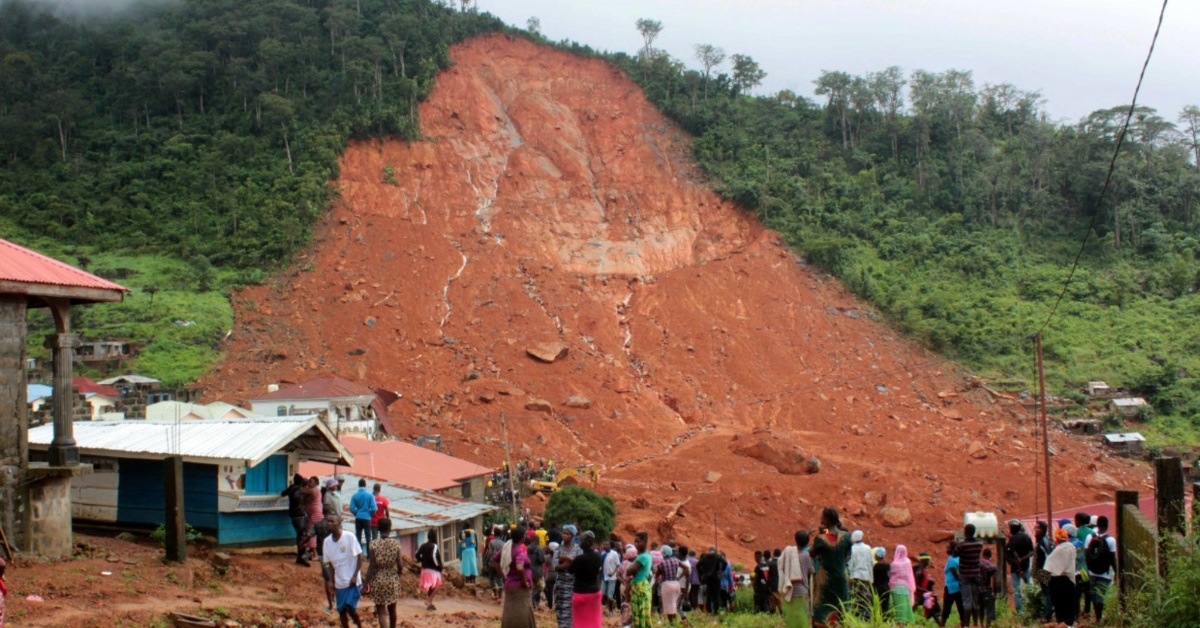
August 14, 2017, is a date permanently etched into Sierra Leone’s national memory. Nine years ago, devastating mudslides and floods struck communities around Freetown, particularly Regent, killing or leaving missing more than 1,100 people and displacing thousands of others. More than 3,000 people lost their homes, according to a World Bank assessment.
But behind those figures were mothers, fathers, children, siblings, friends and neighbours whose lives were suddenly taken or permanently changed.
The collapse of a mountainside in Regent sent tonnes of mud, rocks, trees and debris into nearby communities. Homes were destroyed, families were separated, and entire communities were left mourning. For those who survived, the tragedy became a painful reminder of how quickly life can change.

Nine years later, however, remembrance should go beyond annual messages of sympathy.
The difficult question is: have we truly learned the lessons of August 14?
The disaster exposed vulnerabilities linked to settlement in high-risk areas, inadequate drainage, environmental degradation, poor land-use planning and limited disaster preparedness. These challenges cannot be addressed through mourning alone.
They require sustained national action, stronger enforcement of planning and environmental regulations, improved drainage and waste management, effective early-warning systems and greater investment in disaster preparedness.
Climate change and increasingly unpredictable rainfall make these lessons even more urgent.
Remembering August 14 should therefore challenge government, communities, civil society and every Sierra Leonean to confront the conditions that can turn heavy rainfall into a national catastrophe.
We must remember the victims, stand with survivors and honour the rescuers and ordinary citizens who responded when their country needed them most. But we must also ensure that the deaths of more than 1,100 people are not reduced to a statistic remembered once a year.
The greatest tribute to the victims is not simply to remember how they died, but to build a Sierra Leone better prepared to protect those who remain.
August 14, 2017, must never be forgotten. And perhaps the most important question on this ninth anniversary is one we must all be willing to answer: If tragedy struck again tomorrow, would Sierra Leone be better prepared?
Allah knows best but only few learnt I can sense that… Appreciate your reminder