

Water Ministry Steps Up Checks on Private Water Companies in Freetown
 Aminata Koroma
 The Ministry of Water Resources and Sanitation has intensified efforts to ensure the safety and quality of drinking water produced by private water companies, following a five-day monitoring exercise across Freetown and the peninsula.
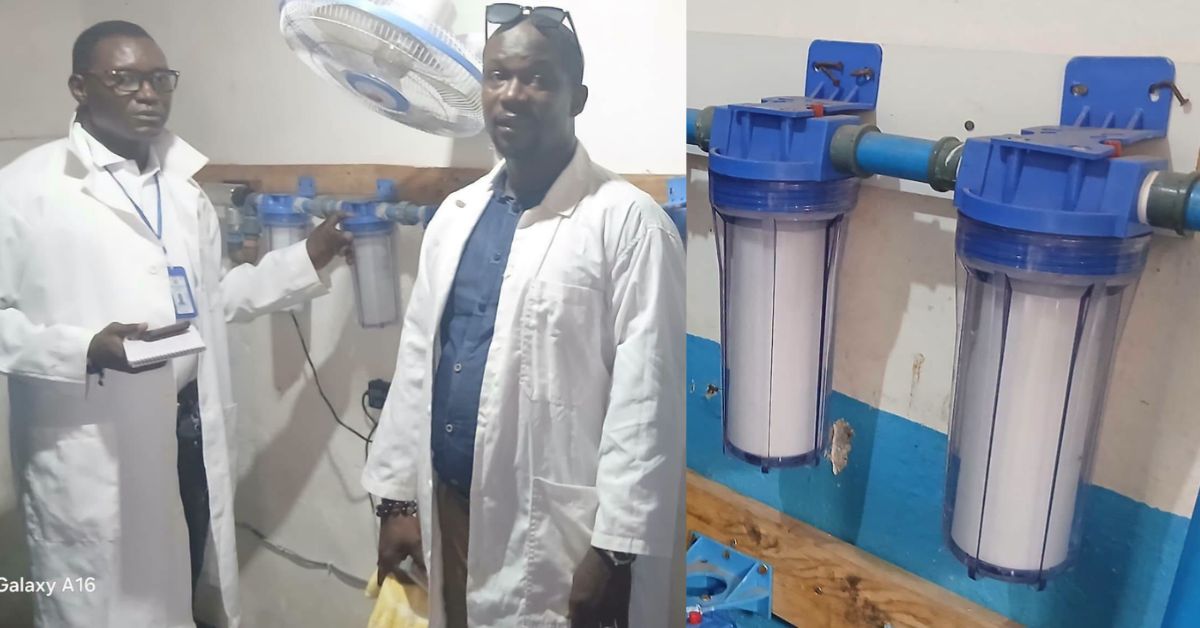
The exercise, conducted from August 18 to 22, 2026, brought together officials from the Ministry, Water Directorate, Sanitation Unit, Water Union and Sierra Leone Water Regulatory Commission to inspect 41 water-production facilities across central, western and eastern Freetown and surrounding peninsula
communities.
The monitoring exercise was aimed at assessing whether water producers are complying with required standards for safe drinking water production, while identifying areas requiring corrective action, technical support and regulatory intervention.

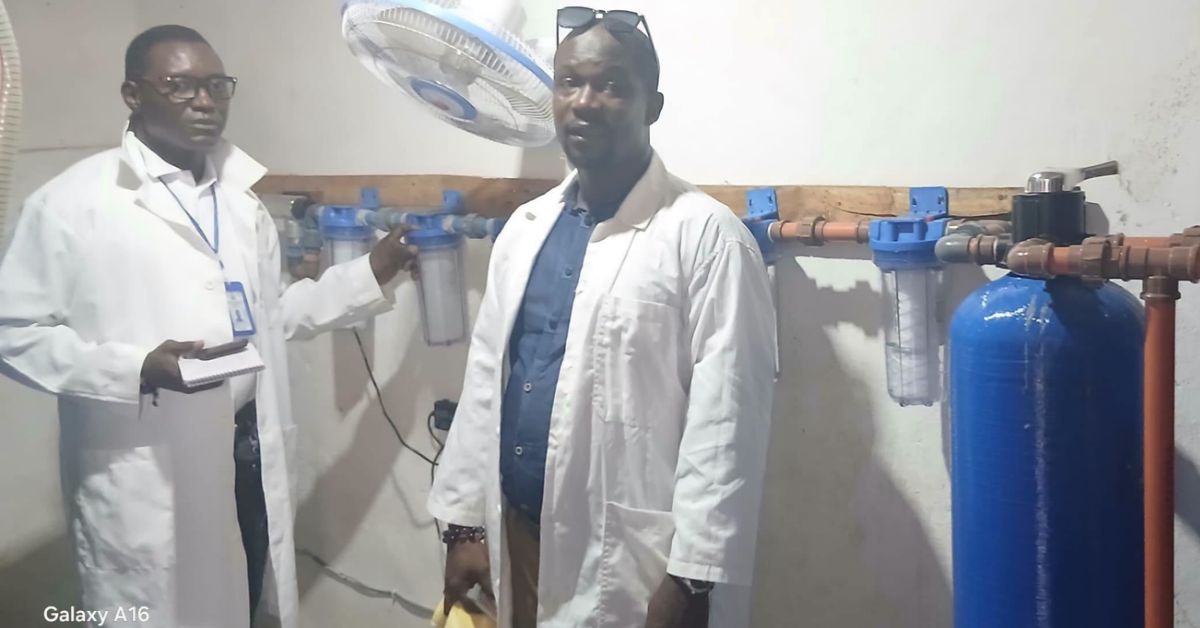


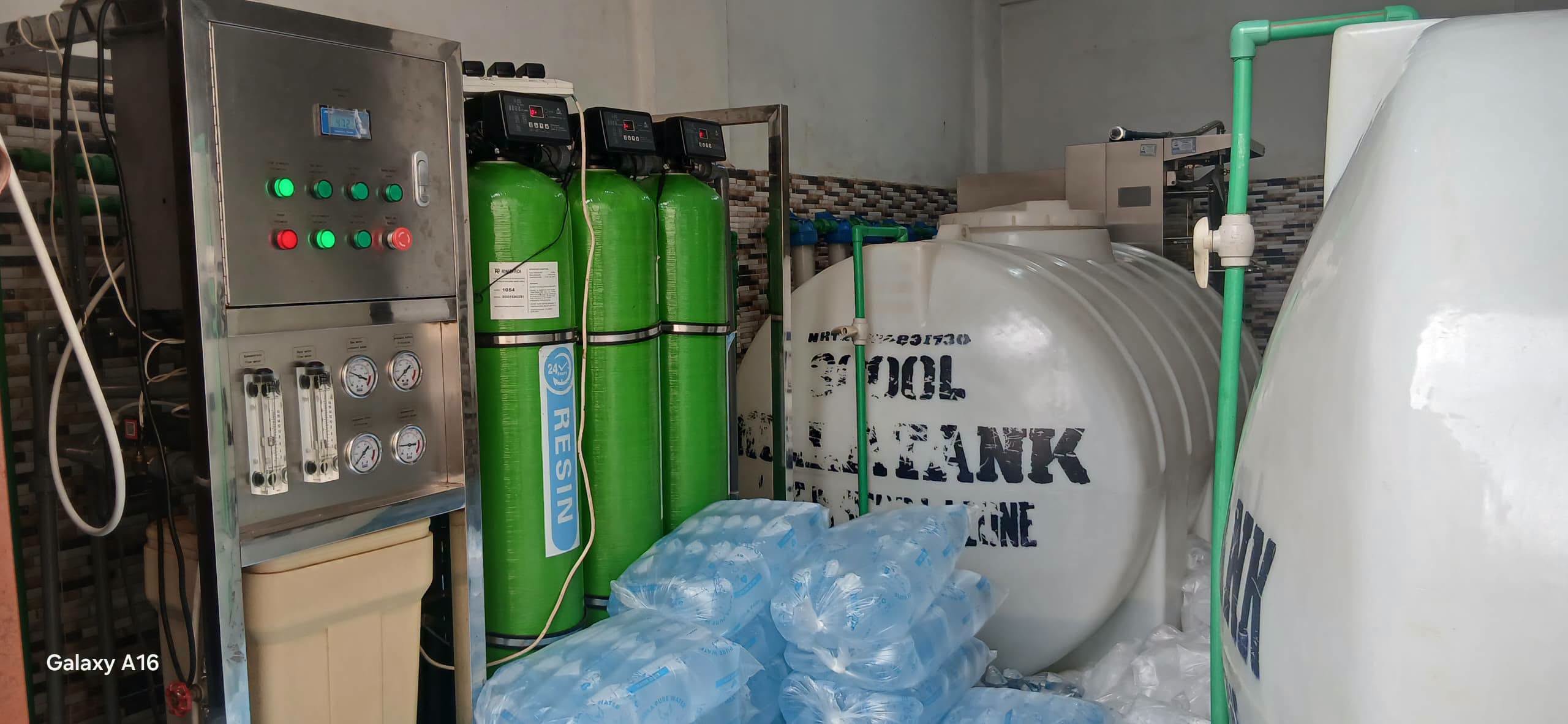
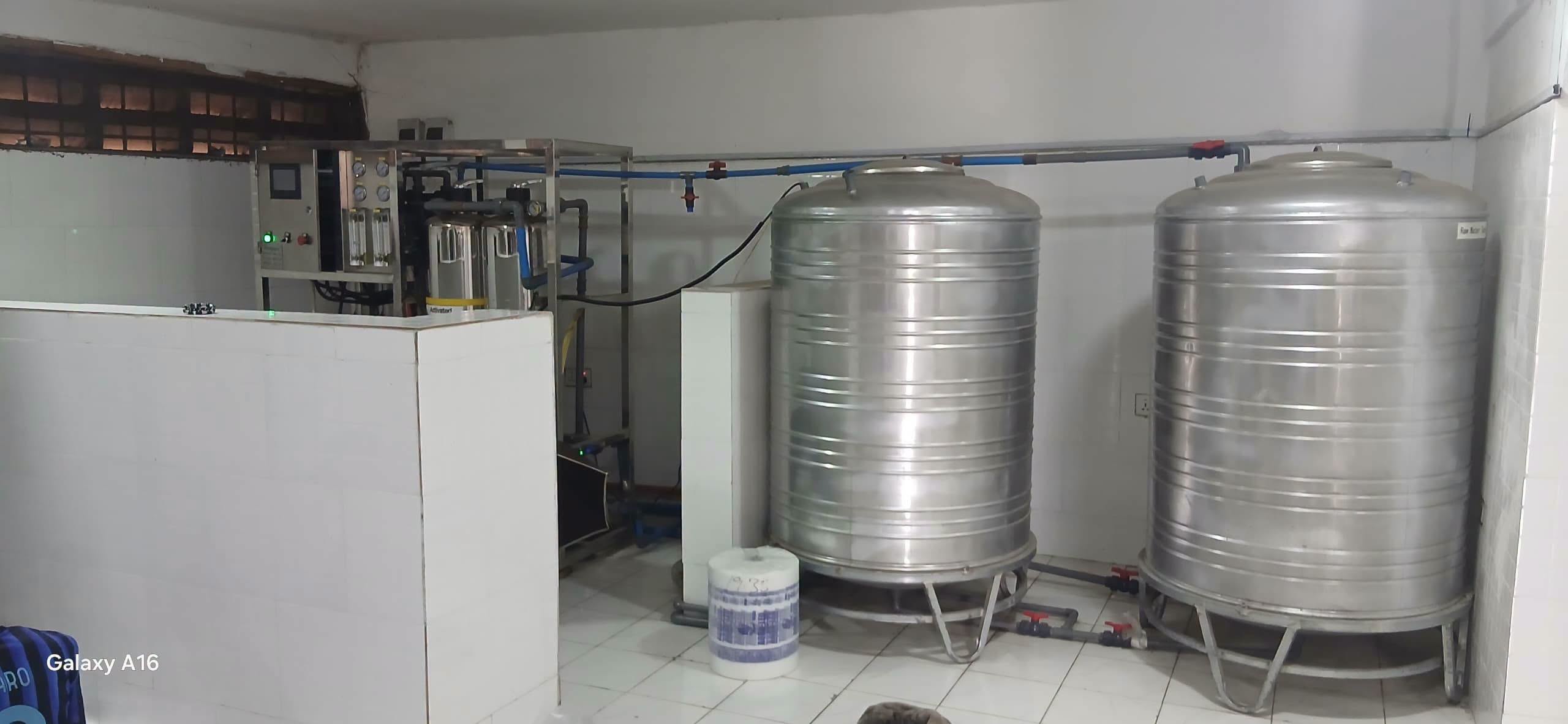
During the inspections, teams assessed water quality, hygiene and sanitation conditions, production equipment, filtration systems, ultraviolet treatment units, storage tanks, pH levels, chlorine residuals, fumigation records, waste management, wastewater disposal and regulatory documentation.
The Ministry said the findings showed varying levels of compliance among operators. While some facilities demonstrated strong practices, including clean production environments, functioning UV treatment systems, regular tank maintenance, proper waste management and complete regulatory documentation, others were found with shortcomings requiring immediate attention.
Hygiene and sanitation were identified among the major areas of concern, with some facilities lacking adequate drainage, environmental controls and proper hygiene systems. Inspectors also identified weaknesses in filter maintenance, water-quality monitoring, fumigation, wastewater disposal and waste management.
The monitoring teams also observed inadequate chlorine monitoring at several facilities, including cases where chlorine levels were recorded at zero or where operators had no records of chlorine testing.
pH readings across the monitored facilities ranged from approximately 6.2 to 6.8, with some facilities recording lower-range results that require further technical assessment and corrective measures.
The Ministry has therefore urged water-production companies to strengthen their internal quality-control systems, maintain clean production environments, regularly inspect and replace filters, document water-quality testing and ensure that only authorised personnel enter production areas.
Operators also requested additional training and technical support in water treatment, hygiene management, equipment maintenance and regulatory compliance.
The Ministry and regulatory bodies have recommended stronger routine monitoring and increased use of unannounced inspections to encourage water producers to maintain required standards consistently.
The latest exercise forms part of broader efforts by the Ministry of Water Resources and Sanitation and its regulatory partners to protect public health by ensuring that water placed on the market meets acceptable safety and quality standards.