


 Post a comment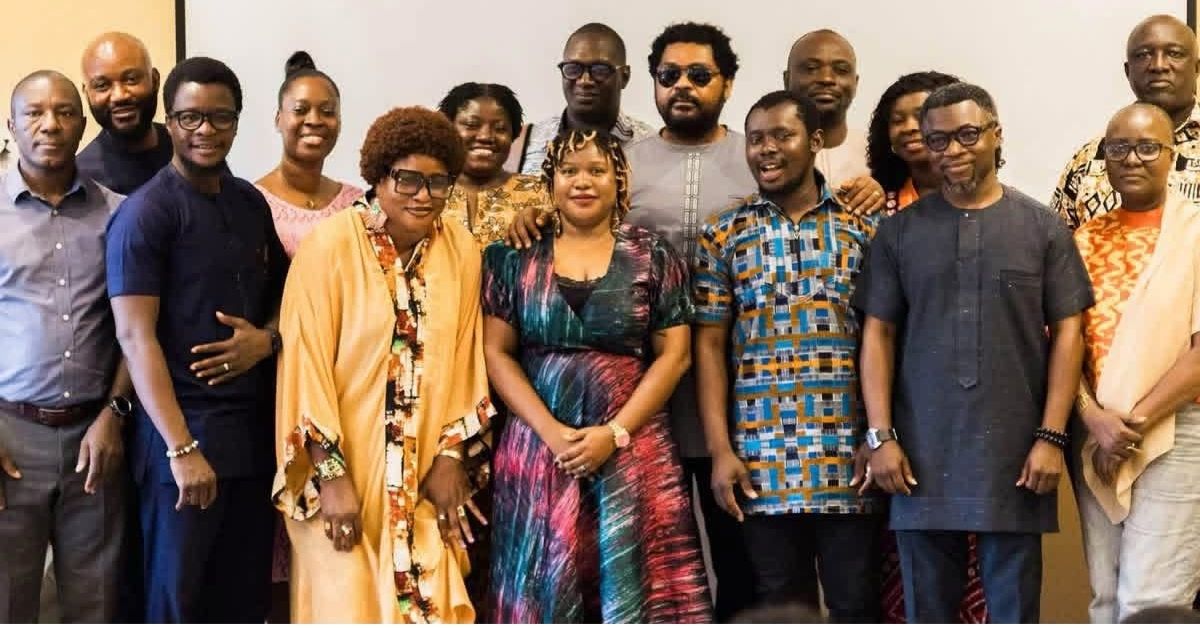
Women in the Media Sierra Leone (WIMSAL) has launched a safeguarding policy aimed at strengthening protection for journalists against sexual harassment and other forms of abuse within the country’s media sector.
The policy was adopted by media stakeholders following a one-day policy dialogue held in Freetown on Friday, August 21, 2026, against the backdrop of a 2025 survey that found female journalists in Sierra Leone experienced verbal, online and physical sexual harassment at significantly higher rates than their male counterparts.
The policy seeks to establish clear standards for preventing, reporting and responding to safeguarding concerns while promoting dignity, equality, confidentiality, accountability and protection against retaliation within media institutions.

Speaking at the policy dialogue, WIMSAL President Eastina Taylor urged stakeholders to move beyond discussions and take concrete measures to ensure that journalists can work in safe and dignified environments.
“But most importantly, let us move from listening to action. At the end of this dialogue, I hope we will not simply say that we had a good conversation. I hope we will be able to say: We made commitments. We signed the Charter. We agreed on mechanisms. We agreed on accountability,” Taylor said.
She stressed that no journalist should be forced to compromise their dignity, safety or bodily integrity as a condition for working in Sierra Leone’s media industry.
The move follows findings from a survey conducted by the World Association of News (WAN-IFRA) Women in News, BBC Media Action and City St George’s, University of London, which recorded an overall workplace sexual harassment rate of 27 percent among surveyed media professionals in Sierra Leone in 2025, compared with a 33 percent average across sub-Saharan Africa.
The survey involved 298 media professionals, comprising 138 women, 145 men, seven gender non-conforming respondents and eight respondents who did not self-describe their gender identity.
According to the findings, women reported substantially higher exposure to several forms of sexual harassment. About 54 percent of women surveyed said they had experienced verbal sexual harassment at least once, compared with 26 percent of men.
Online sexual harassment was identified as the most common form of harassment reported by both genders, with 57 percent of women and 32 percent of men saying they had experienced it at least once.
The report also found that women were more likely to experience repeated incidents. Nineteen percent of women reported experiencing two to four incidents, while 11 percent reported more than five incidents, compared with four percent and two percent respectively among men.
Physical sexual harassment was less frequently reported but remained significantly higher among women, with 21 percent of female respondents reporting such experiences compared with nine percent of male respondents.
The researchers also found significant gaps in institutional responses to reported cases. Employers generally took limited action, with warnings to alleged perpetrators among the most common responses.
Against this background, the newly adopted safeguarding policy establishes fundamental principles including dignity, equality, zero tolerance, due process, confidentiality, non-retaliation, accountability and independence in the handling of complaints.
The policy states that allegations must not automatically be treated as proof and that persons accused must be afforded a fair opportunity to respond. It also requires safeguarding information to be kept confidential except where disclosure is legally required or necessary on a legitimate need-to-know basis.
It further provides for accessible and confidential reporting mechanisms, including designated safeguarding focal persons and, where practicable, confidential telephone or electronic channels. Where an immediate risk exists, institutions are expected to take reasonable protective measures without waiting for an investigation to be concluded.
Chairman of the Media Reform Coordinating Group (MRCG), Dr Francis Sowa, pledged the organisation’s support for stronger gender-responsive safeguarding policies across media institutions.
Sowa called for confidential reporting mechanisms, clear procedures for investigating complaints, protection against retaliation, institutional accountability and continuous safeguarding awareness and training for media managers and journalists.
He stressed that meaningful reform would require sustained commitment from media owners, editors, journalists, professional associations, regulators, civil society organisations and the Government.
Independent Media Commission (IMC) Executive Secretary Khalil Kallon also underscored the importance of creating a media environment in which women can participate fully, safely and equally.
Kallon rejected attempts to normalise sexual harassment as part of working in a male-dominated industry, describing it as an abuse of power rather than harmless conduct or a private matter.
The safeguarding policy therefore represents a significant step towards strengthening institutional mechanisms for addressing sexual harassment and protecting journalists, particularly women, while promoting a safer, more professional and inclusive media environment in Sierra Leone.


