

Heavy Rains Trigger Serious Flooding in Makeni, Disrupting Roads and Businesses
 Kanja Sesay
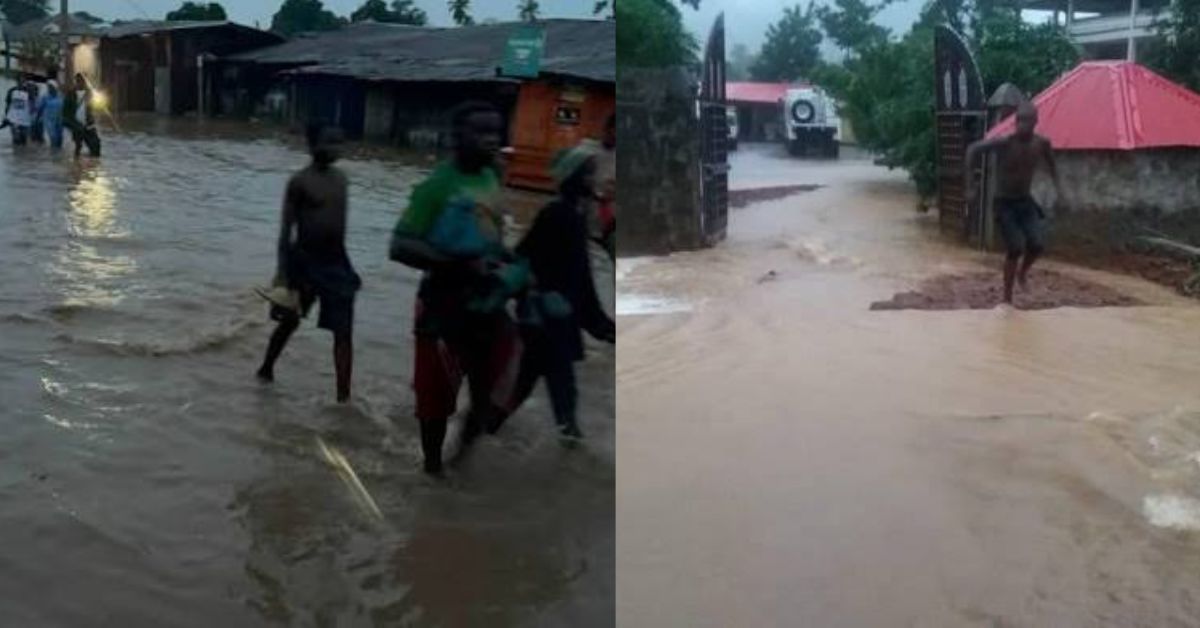
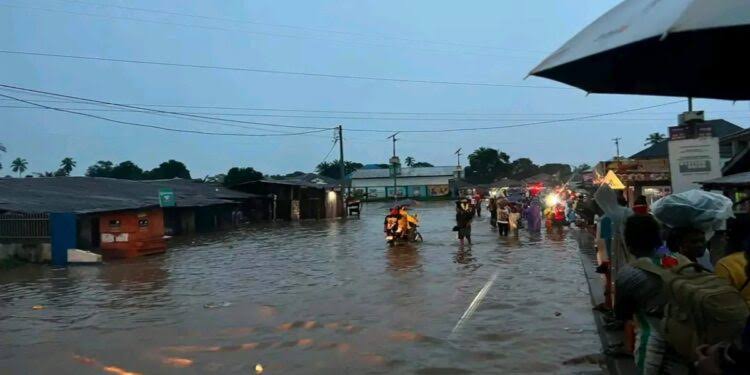
 Makeni City was hit by serious flooding on Tuesday evening, September 1, 2026, after hours of heavy rainfall overwhelmed the city’s infrastructure. The flash floods covered several major roads and streets, making travel difficult for motorists, pedestrians, and residents.
Affected areas include Lunsar Road, Yikes Area, Agriculture Road, Frontier Road, Azzolini Highway, and other key routes across the city. Water took over these thoroughfares, slowing or blocking movement and creating challenges for people trying to get home or continue their daily activities.
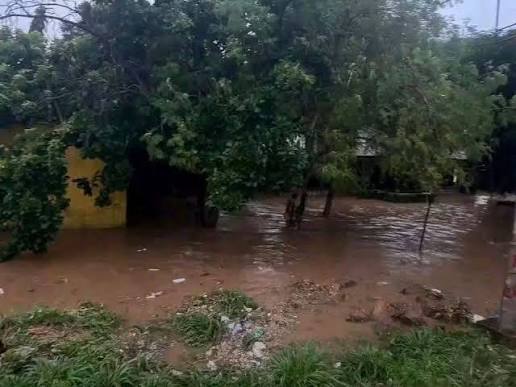

Shop owners in the flooded zones reported significant losses, with goods and businesses damaged by the rising water. Many traders expressed frustration and pain over the destruction of their stock and the impact on their livelihoods. This incident comes just weeks after a similar flash flood on August 14, 2026, caused by five hours of heavy rainfall, which destroyed homes and blocked traffic on major roads, including the Magburaka and MCA roads, as well as Lower and Upper John Street.


The incident has again drawn attention to the city’s drainage systems and their ability to cope with continuous heavy rainfall during the rainy season. Residents and local observers have raised concerns that blocked or inadequate drains are worsening the problem, allowing water to quickly overwhelm roads and nearby communities.
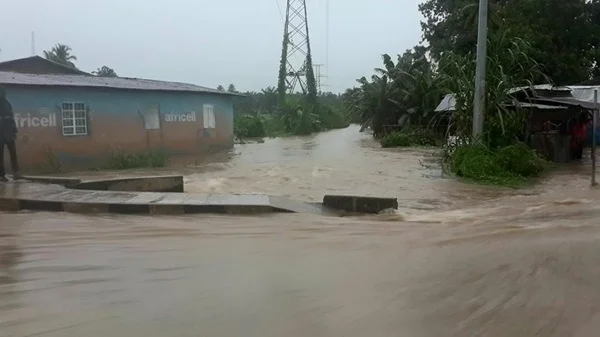
Makeni has experienced a growing pattern of extreme weather, which experts, including staff of the Environmental Protection Agency (EPA) and the National Disaster Management Agency (NDMA), say is caused by climate change and city growth. The rising global temperatures cause the atmosphere to hold more moisture, leading to sudden, heavy rainstorms. Mayor of the Makeni City Council, His Worship Abubakarr Lamtales Kamara, has previously noted that the city is battling the problem of improving outdated drainage systems, which cannot handle sudden volumes of water.
The NDMA and local authorities have previously carried out drainage-clearing and preparedness work in Makeni and other towns ahead of the peak rainy period. NDMA Director General John V. Rogers has outlined the Agency’s efforts to improve disaster management, including mapping flood-prone areas and implementing a comprehensive flood mitigation strategy that includes clearing clogged drainage and engaging communities. However, residents say more sustained action is needed to protect roads, homes, and businesses.
The frequent flooding in Makeni highlights a broader challenge. A 2024 study on flood risk management in Sierra Leone identified inadequate preparedness, poor urban planning, and climate-induced extreme weather as persistent challenges, despite the NDMA’s efforts. The study called for community-based, adaptive strategies to enhance flood resilience and improve response coordination. Local authorities and emergency responders are expected to assess the situation as efforts continue to address the impact of the flooding.