
Government Moves To Transform Technical Institutes Into Community Colleges
 Aaron Parker
 The Government of Sierra Leone is expanding technical and vocational education across the country as part of efforts to equip young people with practical skills for employment and entrepreneurship.
The Deputy Minister of Technical and Higher Education, Sarjoh Aziz-Kamara, said Government Technical Institutes are being expanded across all 16 districts and upgraded into community colleges under ongoing reforms in Technical and Vocational Education and Training (TVET).
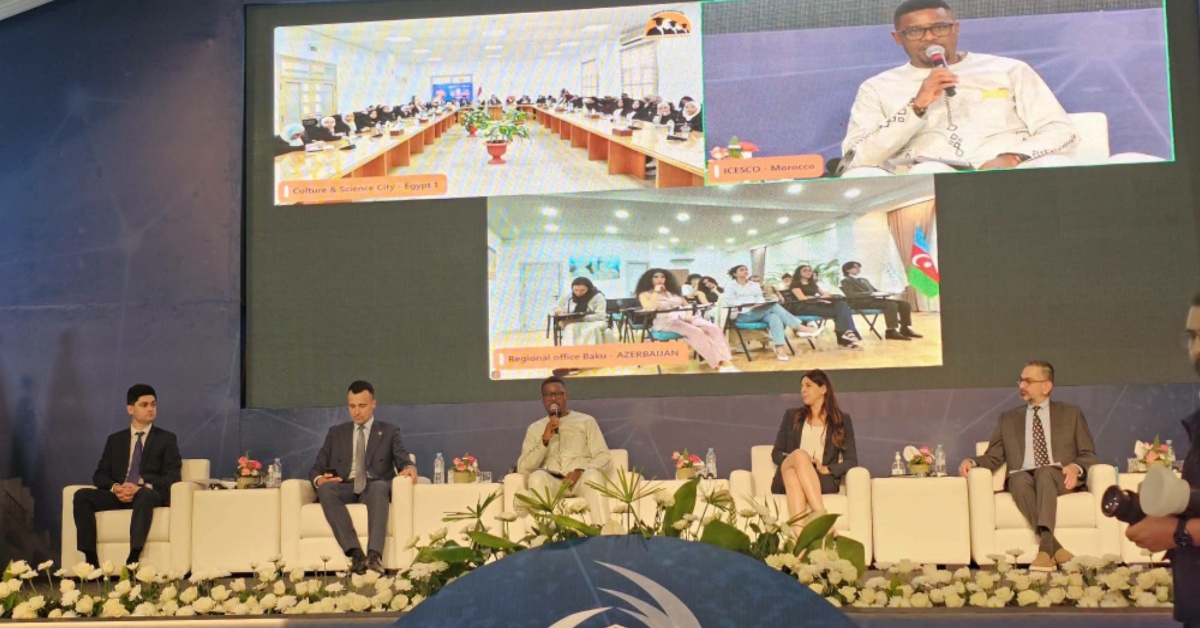
Aziz-Kamara made the disclosure while presenting Sierra Leone’s approach to youth skills development during the fifth Youth Knowledge Forum in Rabat, Morocco, held under the theme “From Crisis to Sustainability.”

He said the reforms are designed to ensure that education and training respond more effectively to labour-market demands and provide young people with practical skills that can translate into employment and entrepreneurial opportunities.

The Deputy Minister said the government is also expanding apprenticeships, internships and work-based learning while strengthening partnerships between training institutions, employers and development partners.
As part of the reforms, mobile training units are being introduced to extend skills development opportunities to underserved communities, while the planned Dual Apprenticeship Policy is expected to combine classroom instruction with practical workplace training.
Aziz-Kamara said the government is also promoting competency-based education and training, recognition of prior learning and greater private-sector involvement in curriculum development to ensure that training reflects the skills required by employers.
He said the expansion of TVET is particularly important as Sierra Leone prepares young people for emerging opportunities in sectors including tourism, construction, agribusiness, renewable energy, ICT, manufacturing and agro-processing.
The government’s youth employment strategy forms part of its broader human capital development agenda, with technical education positioned as a key pathway towards employment, entrepreneurship and sustainable livelihoods.
The Deputy Minister stressed that young people need more than academic qualifications, noting that critical thinking, communication, creativity, teamwork, adaptability and problem-solving are increasingly important in a changing global economy.