Post a comment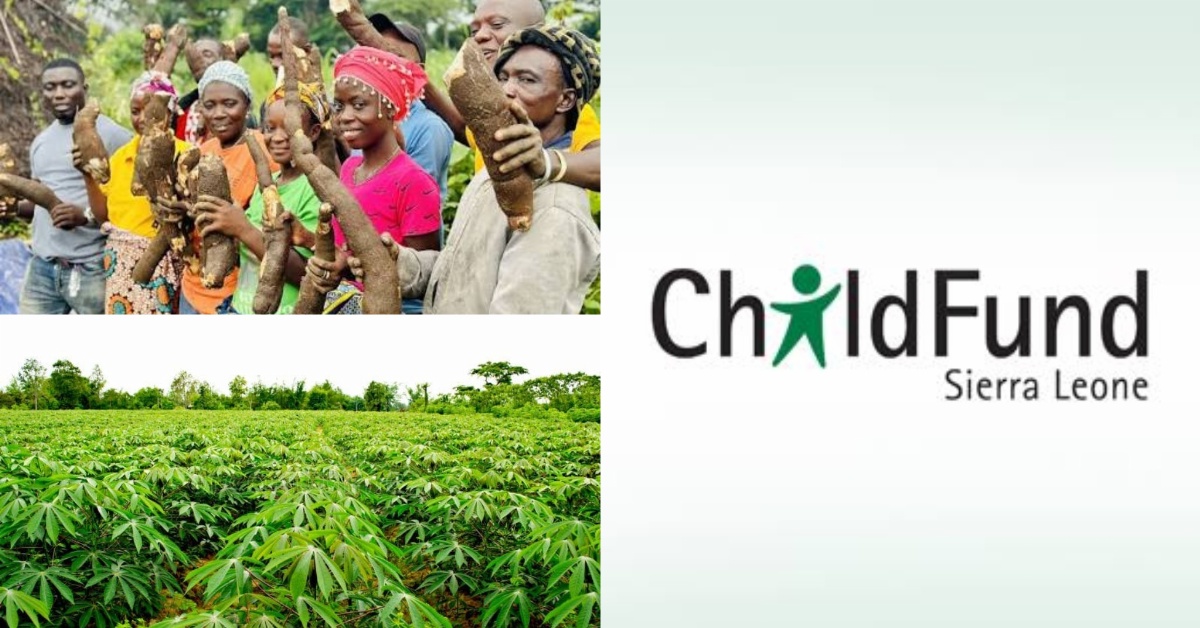
ChildFund Sierra Leone, in partnership with the German Federal Ministry for Economic Cooperation and Development (BMZ), is implementing a livelihood project aimed at improving food security, increasing household incomes and strengthening child protection in Bombali, Koinadugu and Falaba districts.
The 42-month Cassava Value Chain Strengthening for Improved Food Security and Sustained Income Project, which runs from May 2024 to October 2027, is being implemented by ChildFund Sierra Leone and ChildFund Germany with funding from BMZ.
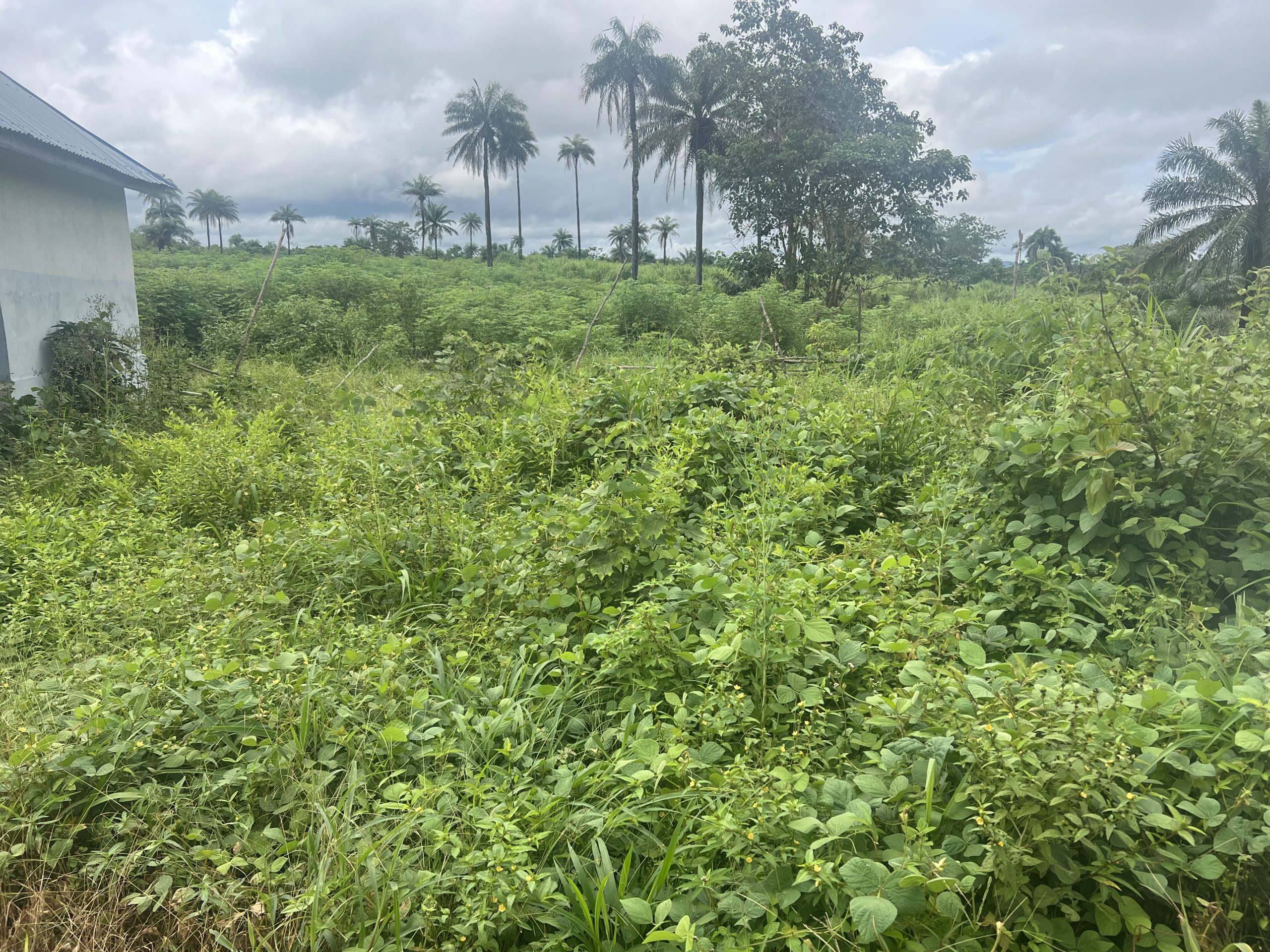

The project covers 30 communities across the three districts and is being implemented in partnership with the Daindemben Federation in Koinadugu Bombali and falaba
Speaking on the initiative, Osman Kargbo, Programmes and Sponsorship Director at ChildFund Sierra Leone, said the project is primarily a livelihood intervention designed to address food insecurity while ensuring that children’s rights are protected.
He said women are among the project’s primary beneficiaries, with ChildFund seeking to strengthen their economic empowerment and increase their capacity to generate sustainable household incomes.
Kargbo explained that ChildFund is also working with government institutions, including the Ministry of Agriculture, the Ministry of Gender and Children’s Affairs and the Ministry of Social Welfare, to support the implementation of the project.
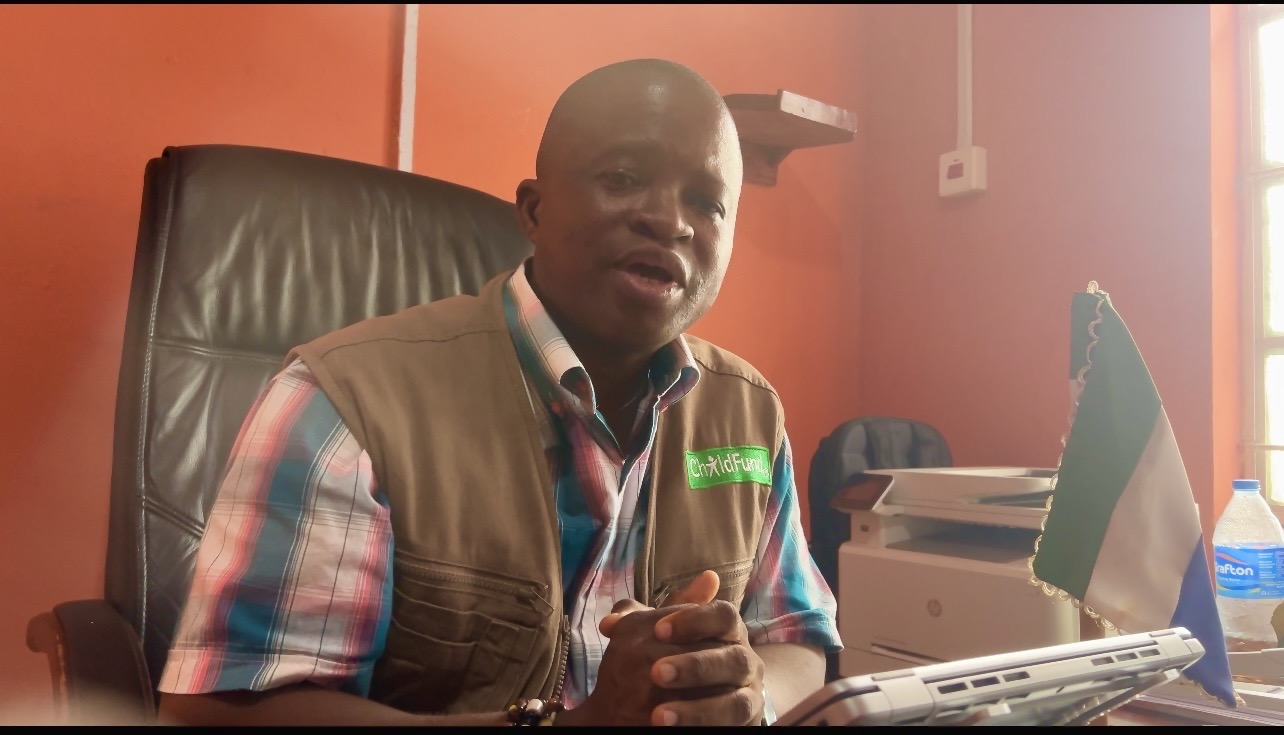
He said, as part of ChildFund’s child protection mandate, the organisation is providing education and awareness to farmers and communities to prevent children from being involved in labour activities.
The project promotes climate-smart farming, improved cassava processing techniques, livestock integration and stronger business skills among smallholder farmers and farmer-based organisations. These interventions are intended to improve productivity, reduce post-harvest losses and strengthen household incomes.
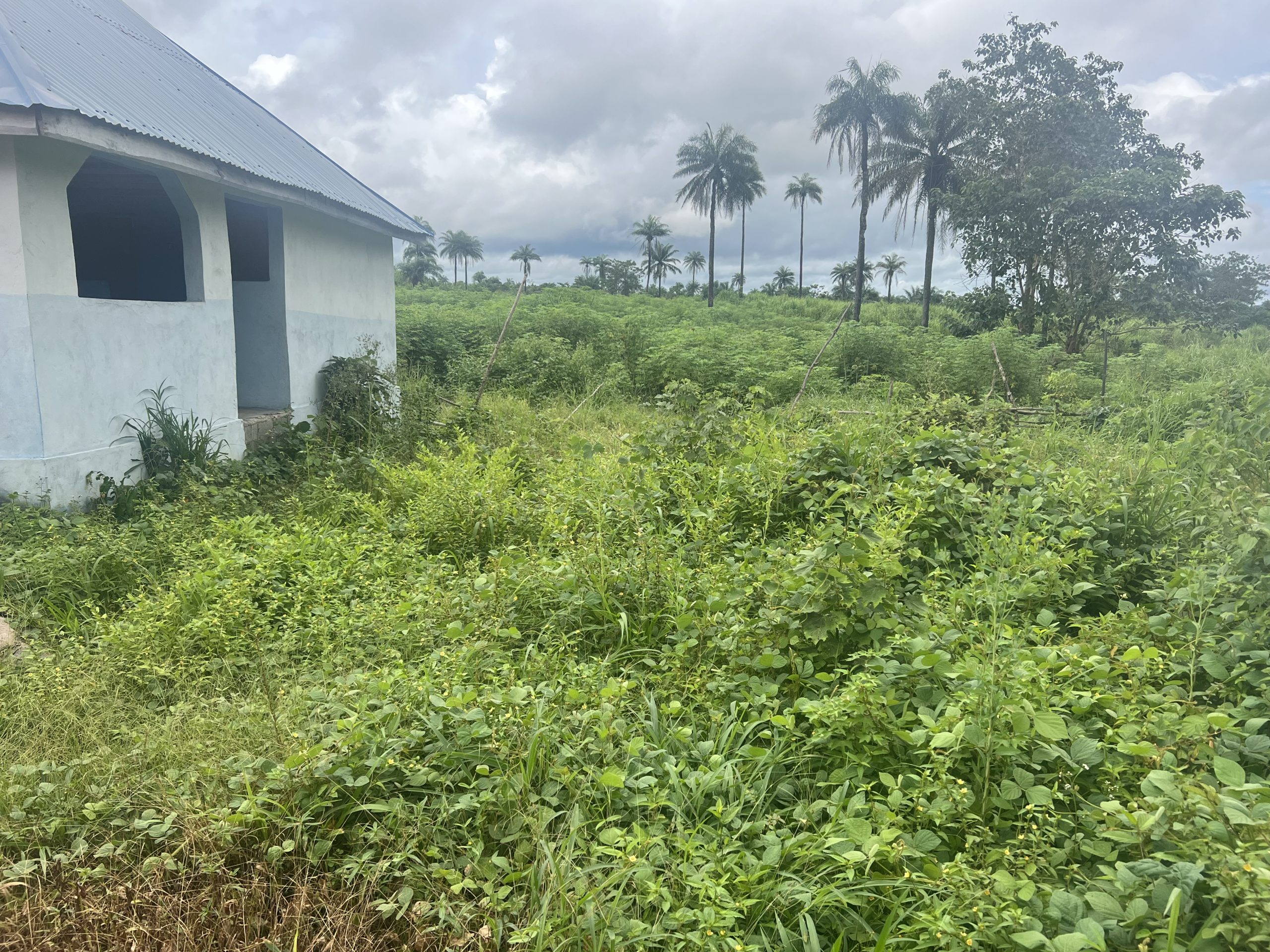
The initiative also incorporates child protection education, with communities being encouraged to prioritise children’s education, prevent child labour and use established reporting mechanisms, including the 117 child protection hotline, rather than resolving child protection cases through informal settlements.
Lansana Conteh, Chairman of the Masianday Farmers Association, said the BMZ-supported programme had helped farmers better understand the value of cassava while equipping them with knowledge and skills to process the crop.
He said the introduction of cassava-processing machines had also contributed to reducing children’s involvement in strenuous agricultural activities.
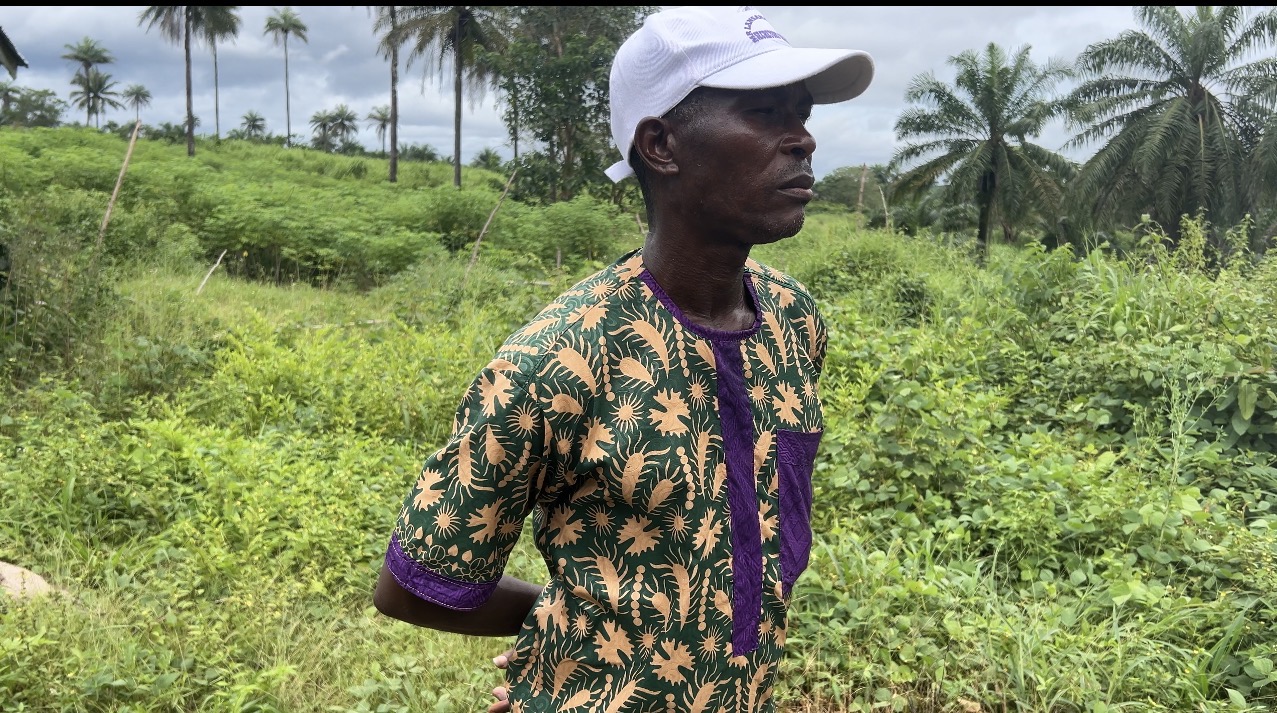
According to Conteh, farmers can now process cassava mechanically, reducing the need to rely on children for labour-intensive processing activities.
The BMZ Cassava Value Chain Project combines agricultural development, women’s economic empowerment, livelihood strengthening and child protection, with the broader objective of improving the wellbeing and resilience of rural families across Bombali, Koinadugu and Falaba.