

‘I Lost My Brother to Ebola’ – Sierra Leonean Urges Vigilance After Confirmed Case in Nigeria
 Deborah Sorie
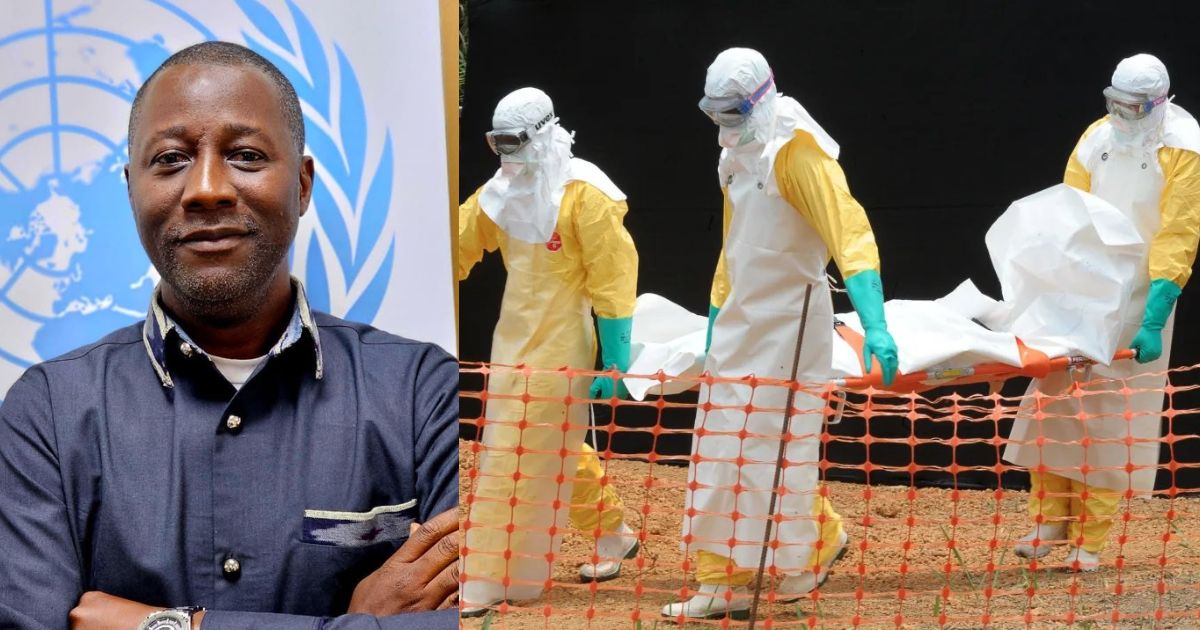
Sierra Leonean communications specialist, Osman Benk Sankoh has urged the public to remain vigilant following the confirmation of an Ebola case in Nigeria, drawing on his personal experience of the 2014–2016 West African epidemic, which claimed the life of his younger brother.
In a post on X, Sankoh said news of the confirmed case in Abuja had left him unable to sleep, recalling the fear and suffering he witnessed during the previous outbreak while living in Liberia.
Sankoh said Ebola had affected his family directly, revealing that his younger brother, Abdul Obomie Kamara, died from the disease. He added that the family still did not know where his brother was buried.

“Ebola is not something I know only from textbooks, statistics or television. I felt it. I feared it. I lost a brother to it,” he wrote.



He also recalled travelling internationally during the 2014 epidemic, when Ebola screening at airports and concerns about travel restrictions heightened anxiety among people arriving from affected West African countries.
His comments come after Nigerian authorities confirmed an imported case of Ebola Bundibugyo virus disease in the Federal Capital Territory, Abuja, on 20 October 2026. The patient, a woman with a recent travel history to Uganda, is receiving medical care in isolation, while health authorities have identified 44 contacts for monitoring. Investigations into the source of infection are continuing.
Sankoh called on Sierra Leoneans and other countries in the region to take the development seriously without creating unnecessary panic or stigmatising Nigerians and travellers.
“We should not stigmatise Nigerians. We should not stigmatise travellers,” he said, warning against the spread of unverified information on social media.
He said Sierra Leone’s experience of the previous epidemic should serve as a reminder of the importance of credible information, public awareness and early preparedness.
The 2014–2016 Ebola epidemic severely affected Guinea, Liberia and Sierra Leone, causing widespread loss of life and placing enormous pressure on health systems across the region.
Sankoh said countries should strengthen vigilance before cases reach their borders, stressing that public awareness and cooperation with health authorities remain essential.
“Not panic. Not hysteria. Not stigma. Vigilance!” he wrote.