
Masingbi Police Strengthens Community Policing Through Training of Safety Volunteers
 Aminata Koroma
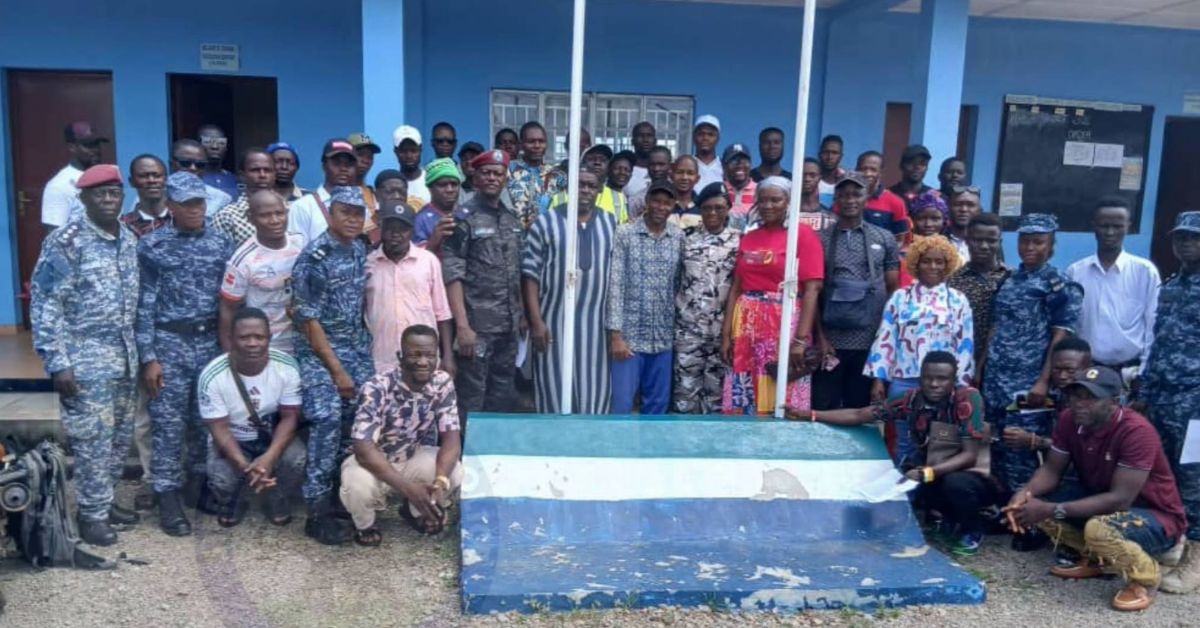
The newly established Masingbi Police Division has intensified efforts to strengthen community-based crime prevention through a capacity-building training for Community Safety Volunteers (CSVs) and members of Local Policing Partnership Boards (LPPBs).
The one-day training, held at the Divisional Headquarters Conference Hall in Masingbi, brought together youths, traditional leaders and other community stakeholders to enhance their understanding of community policing, crime prevention and their responsibilities in maintaining peace and security.
Speaking on behalf of the Regional Police Commander, North-East Region, AIG Mrs Esther Mary Kaintor-Dukuray, and Regional Human Resource Partner ASP Mariatu Fofanah, commended community stakeholders, particularly youths, for their continued cooperation with the police.

She stressed the importance of respecting human rights, observing lawful arrest and detention procedures, and avoiding mob justice. She also raised concerns over substance abuse, particularly the use of Tramadol, Cannabis Sativa and Kush, urging participants to support efforts to address the problem within their communities.


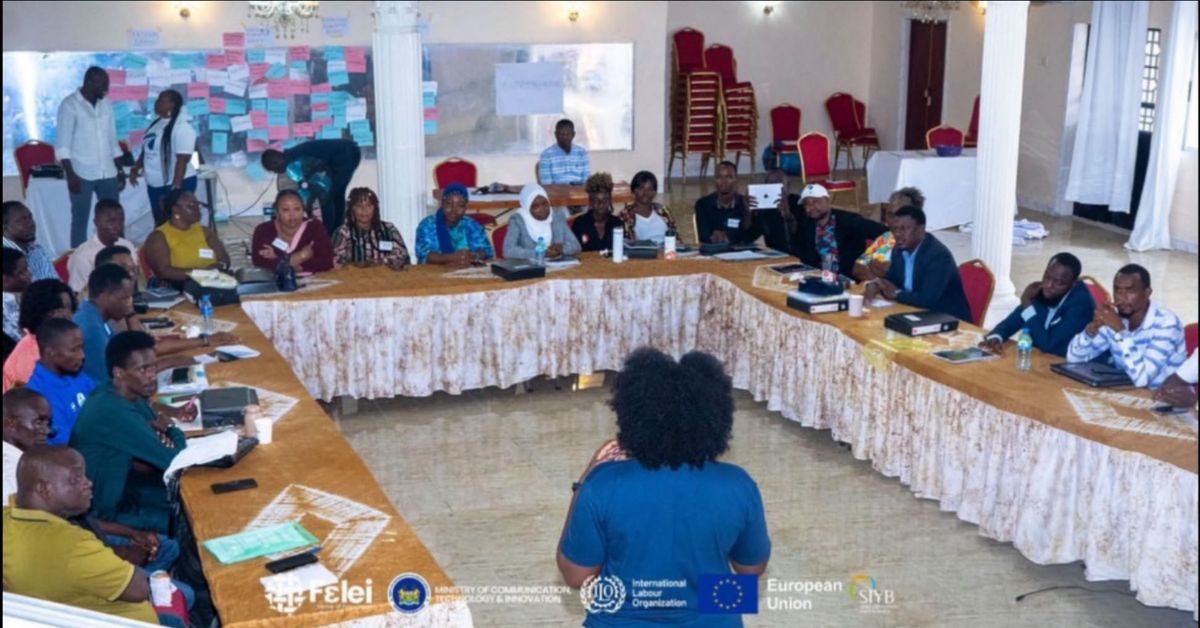
ASP Fofanah encouraged community members to report suspected offenders to the police rather than taking the law into their own hands.
Meanwhile, Regional Coordinator of the Community Relations Department, Inspector AbuBakarr Sidikie Mansaray, highlighted the importance of effective communication, community engagement and timely information sharing in preventing crime.
He described Community Safety Volunteers as a vital link between the police and the communities they serve, noting that mutual trust and public cooperation are essential to building safer communities.
Local Unit Commander of Masingbi Division, Superintendent Rashid Osman Koroma, reaffirmed the Division’s commitment to people-centred policing, while recognising the important role of traditional leaders in peace-building, conflict mediation and dispute resolution.
He expressed appreciation to the training team, particularly AIG Kaintor-Dukuray, for the initiative and called for stronger collaboration between chiefs, community stakeholders and the police.
The training ended with an interactive question-and-answer session, allowing participants to share experiences and seek clarification on their roles in promoting community safety.
The initiative forms part of the Sierra Leone Police’s broader commitment to partnership-based policing, recognising community participation as a key component of effective crime prevention and public safety.