

NWRMA Hosts Stakeholder Validation Meeting to Protect Freetown’s Vital Watersheds

 Sia Lucy Kannah
The National Water Resources Management Agency (NWRMA) hosted a Stakeholder Inception and Baseline Validation Meeting under the theme “Scaling Community-Led Ecosystem Restoration for Climate-Resilient Catchment and Watershed Management.”
The initiative is being implemented in collaboration with WASH-Net Sierra Leone, Youth Partnership for Peace and Development (YPPD), the United Nations Development Programme (UNDP) Sierra Leone, and the Global Environment Facility (GEF) Small Grants Programme (OP8).
The Director General of NWRMA Ing. Pierre Palmer emphasised that “Water security does not begin at the tap; it begins in our forests, our hills, our rivers, and the catchments that sustain them.” He highlighted the importance of the Western Area Peninsula National Park, whose forested catchments supply approximately 90% of Freetown’s water while supporting biodiversity and protecting communities against erosion, flooding and landslides.

He expressed concern over increasing deforestation, encroachment, unregulated construction, quarrying and pollution threatening these vital watersheds. He stressed that investments in water supply infrastructure must be accompanied by deliberate efforts to protect and restore the ecosystems that sustain them.


The Director General also highlighted the Western Area Peninsula Water Fund, launched in January 2024, as an innovative financing and coordination mechanism for mobilising government, development partners, the private sector and communities towards sustainable catchment protection. He encouraged the implementing partners to build on the Fund’s existing experiences and institutional arrangements.
Referencing preliminary baseline findings from 29 communities, he disclosed that approximately 69% of assessed water sources face significant threats within 50 metres, while 93% of households support catchment protection. He described these findings as both a warning about the vulnerability of water resources and an opportunity to strengthen community participation.
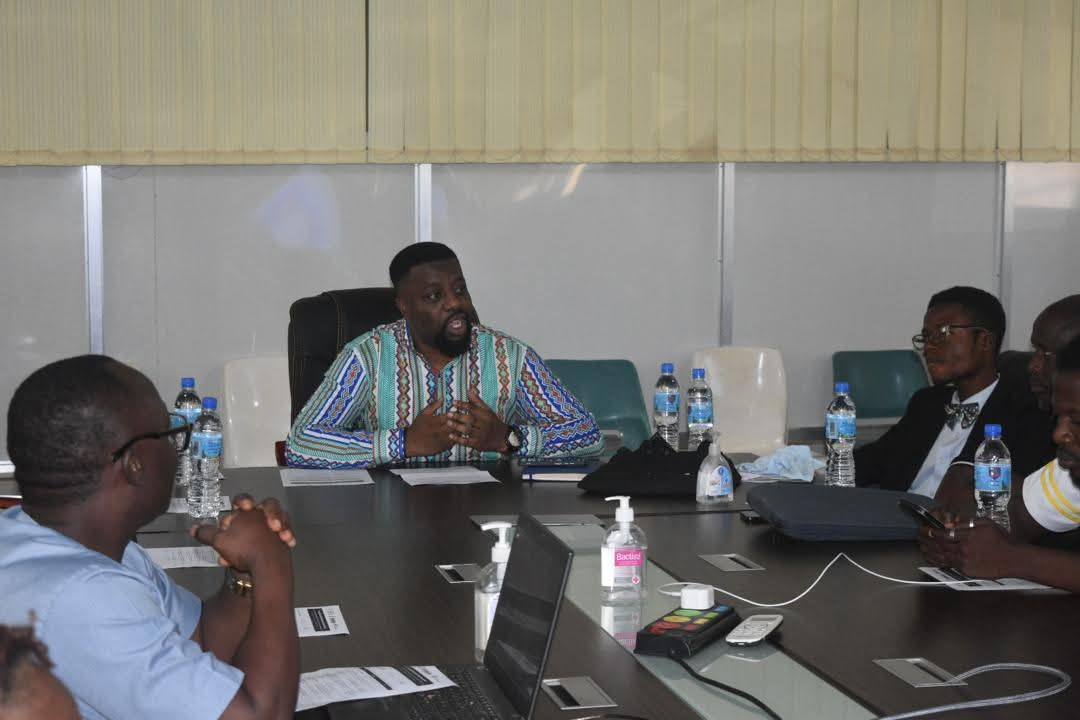
He reaffirmed NWRMA’s commitment to providing technical leadership in catchment assessment, demarcation of critical protection zones, water resources monitoring and regulatory compliance, while calling for stronger collaboration among government institutions, local councils, traditional authorities and community organisations.
In closing, the Director General challenged implementing partners to measure success not merely by the number of trees planted or communities sensitised, but by lasting improvements in catchment health, community participation and water security.