

Sierra Leone Parliament Scraps 1965 Archives Law in Digital Records Overhaul
 Ben Bassey
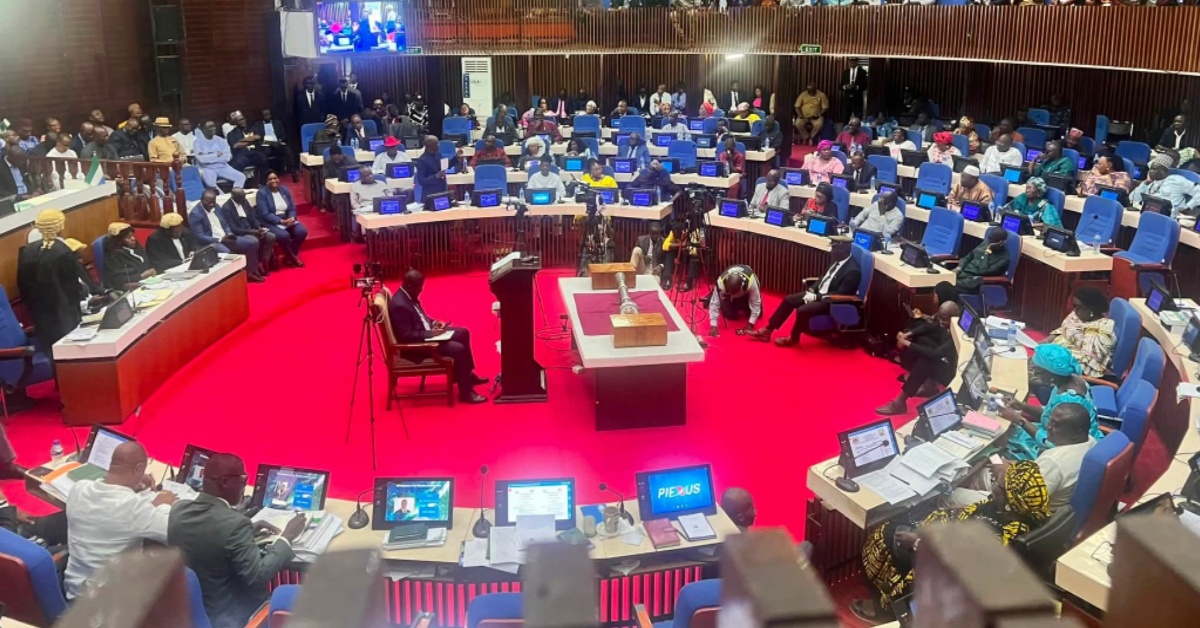
Parliament has passed legislation replacing a 61-year-old archives law with a framework that recognises electronic records and establishes regional storage centres outside the capital, concluding a reform effort that began more than a decade ago.
The National Records and Archives Bill, 2026, passed its third reading on Tuesday, November 10, 2026, after being presented by Information Minister Chernor Bah. The new law repeals the Public Archives Act of 1965, which critics had long described as inadequate for managing modern government records.
The 1965 Act contained no provisions for electronic records, centralised record-keeping in Freetown, and imposed penalties so weak they were described as “laughable”. A 2023 academic assessment found that 78 percent of West African archival institutions lack climate-controlled storage, and Sierra Leone’s National Archives has the lowest archivist-to-collection ratio on the continent—one staff member for every 25,000 items.

The new law addresses these gaps by setting standards for how public institutions create, store and preserve documents, and by providing for regional records centres so that national records are not concentrated solely in the capital.



A central feature of the legislation is its recognition of electronic records, with provisions designed to protect digital information against cyber threats, unauthorised alteration and loss. The law also provides for public access to archival records, subject to lawful restrictions, and for the issuance of authenticated copies to citizens, researchers and institutions.
Minister Bah told Parliament during debate that national records underpin citizens’ rights in areas including land ownership and birth registration, and are essential to government accountability.
The passage follows years of stalled efforts. A previous bill reached Parliament in 2017 but lapsed, and the Ministry of Information only validated a national records and archives policy in October 2024. The bill completed its first reading on November 5, 2026, alongside a separate Data Protection and Right to Access Information Bill, before advancing through committee stage to final passage.
The legislation now requires presidential assent and gazetting before it takes effect as law.
For a country whose National Archives holds colonial-era and post-independence collections that have deteriorated in Freetown’s humid climate, the reform offers a legal foundation for preservation. Whether it translates into functioning regional centres and secure digital systems will depend on funding and implementation—challenges that have undermined previous archival initiatives across the region.