

MoPED, UNFPA Push for Grassroots Participation Ahead of December 2026 Census
 Kanja Sesay
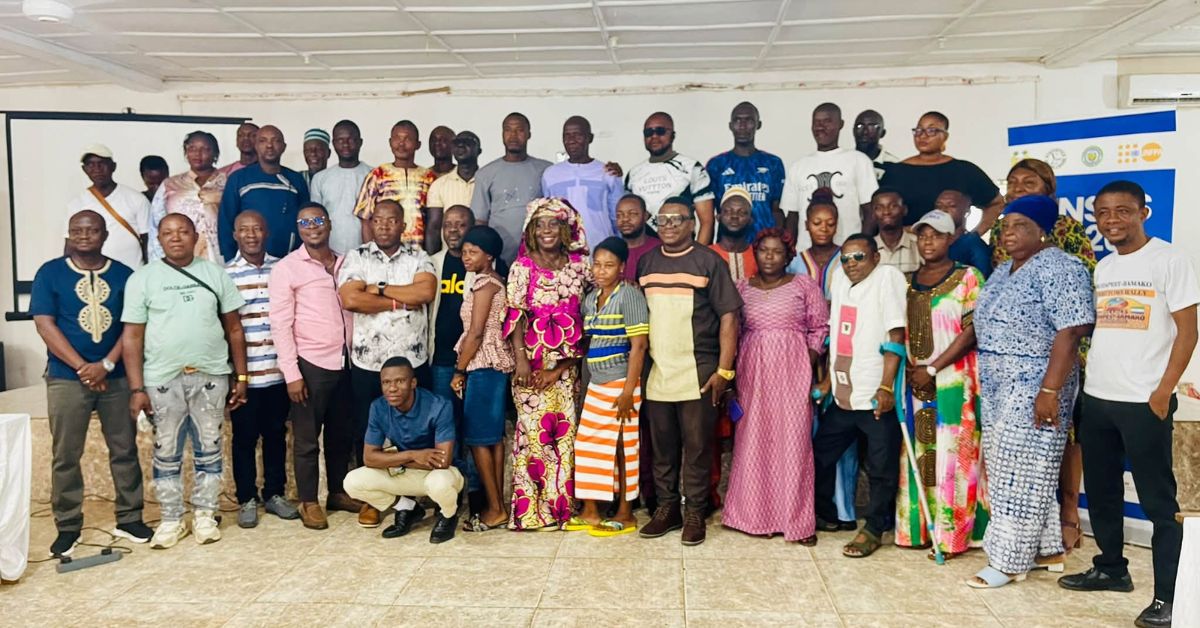
The Ministry of Planning and Economic Development (MoPED), alongside Statistics Sierra Leone and the United Nations Population Fund (UNFPA), convened a regional sensitisation engagement in Waterloo on November 13, 2026, to emphasise the critical role of reliable population data in shaping the country’s development.
The event forms part of a seven-day nationwide outreach programme, following earlier engagements in Kailahun, Kenema, Bo, Bonthe, Moyamba, and Pujehun. It brought together local authorities, traditional leaders, council representatives, and community stakeholders to build public understanding of the upcoming 2026 Population and Housing Census.
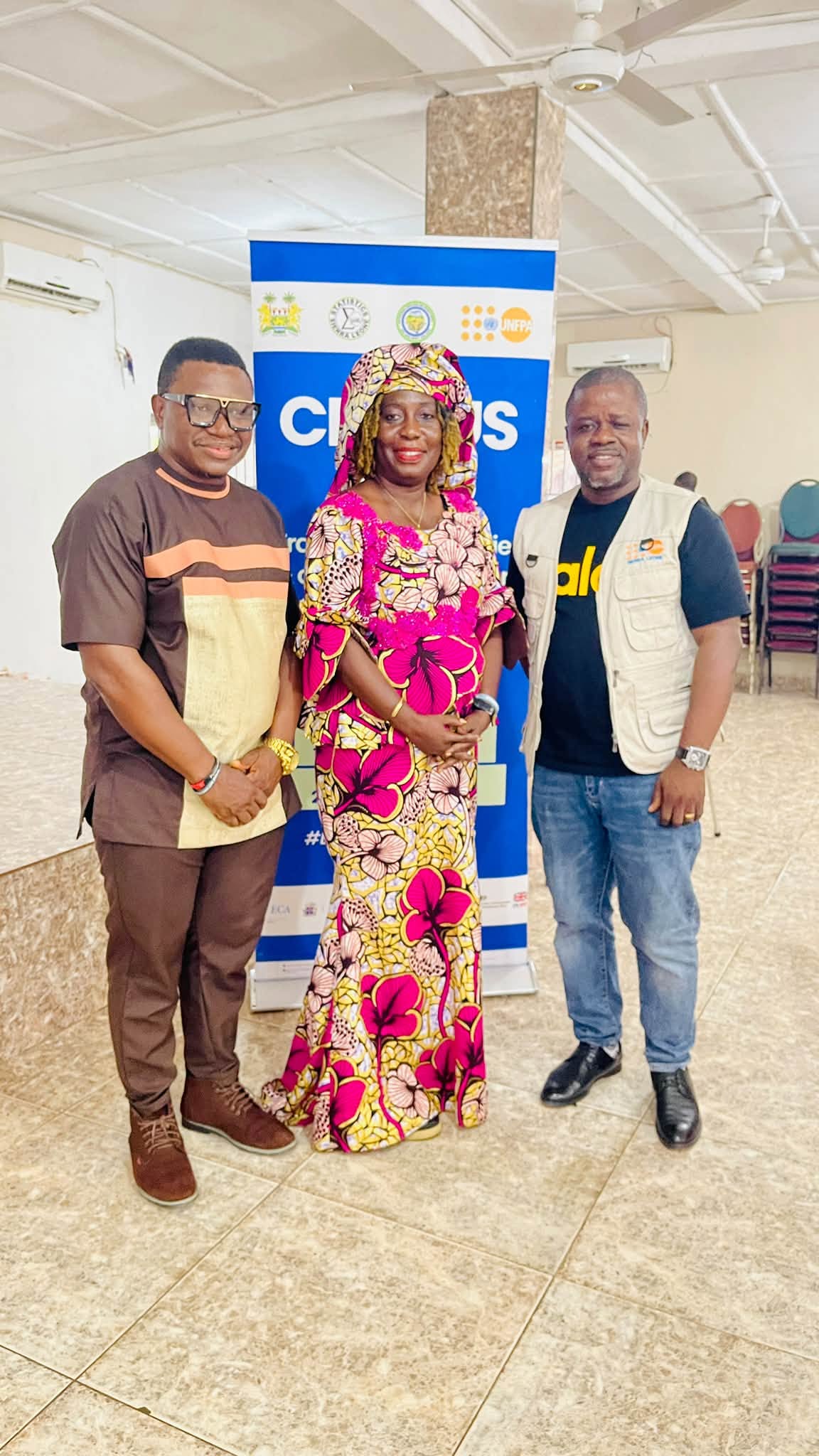

Officials stressed that the census is more than just a headcount. Mrs M’balu Kamara, Director of the Rural Development Directorate at MoPED, noted that just as a household must know how many people it feeds, the government needs accurate figures to plan essential services.



Mr Alpha Bangura, Director of the Public Investment Management Directorate, explained that population statistics directly influence the national budget. He said the data helps the government determine where to build schools, hospitals, and roads. Bangura cautioned against viewing the census through political lenses, urging communities to see it as a tool for equitable resource allocation.
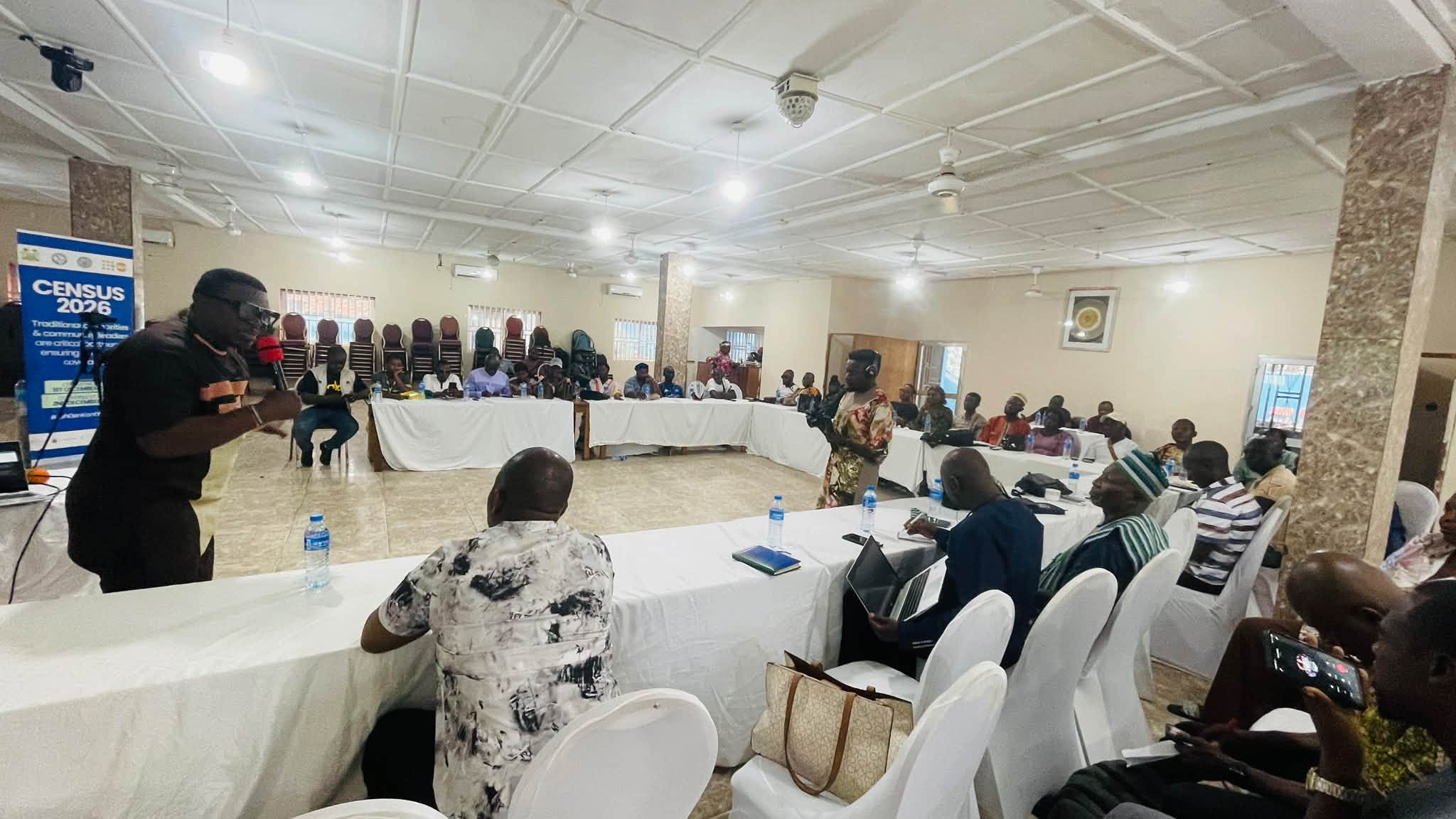
Mr Samuel Ansumana, Director of Communications at Statistics Sierra Leone, provided technical details of the exercise. He confirmed that Sierra Leone will conduct a de facto census, meaning individuals will be counted where they spend the night of December 1, 2026, rather than at their usual residence.
Enumeration will officially begin on December 2 and run for 14 days. To execute this massive logistical operation, the government is training more than 30,000 personnel across 77 locations nationwide. The data collected will cover demographics, housing conditions, access to basic services, and information on vulnerable groups, including persons with disabilities.
To ensure maximum participation, Mr Sylvester Makavorie, Senior Programme Officer at MoPED, outlined a community mobilisation strategy. Local councils, religious institutions, youth groups, and the media will use community meetings, radio jingles, and public-address systems to spread awareness until the sensitisation phase ends on November 28.
The initiative is receiving strong international backing. Mr John Baimba Sesay, Communication Lead at UNFPA, highlighted the importance of institutional collaboration. Funding for the census includes approximately €7 million under the Financial Cooperation window and €2 million under the ECOWAS Direct Investment sub-window.
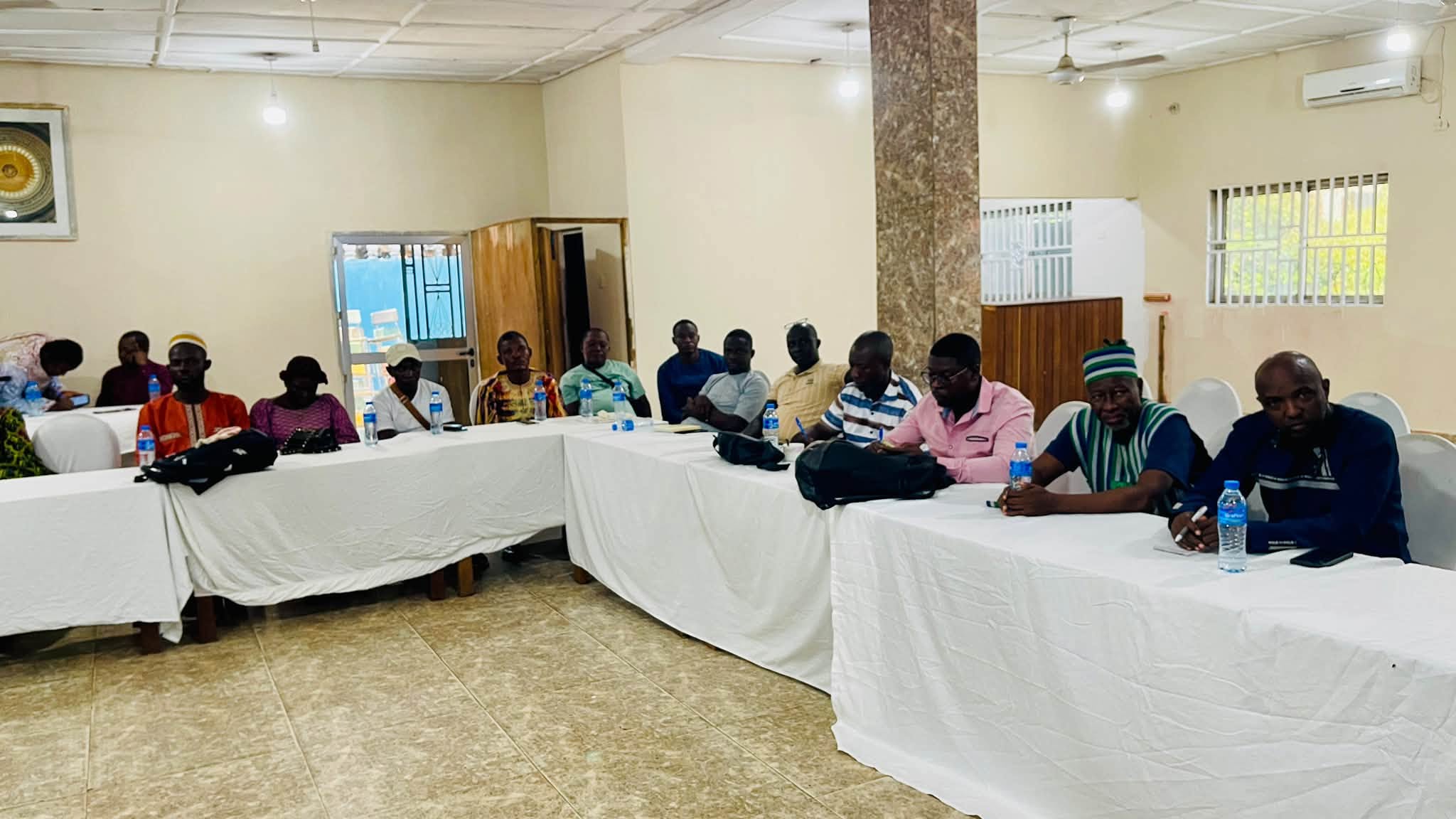
The Waterloo engagement concluded with an interactive question-and-answer session where residents sought clarity on how to count individuals spending Census Night away from home and how their personal data will be protected.