

Minister Barlay Pushes for High-Impact ECOWAS Development Projects
 Aminata Koroma
The Minister of Planning and Economic Development, Hon. Kenyeh Barlay, has called for strategic and high-impact development interventions that deliver measurable benefits to vulnerable communities as Sierra Leone prepares for the implementation of the ECOWAS Fund for Regional Stabilisation and Development (FRSD).
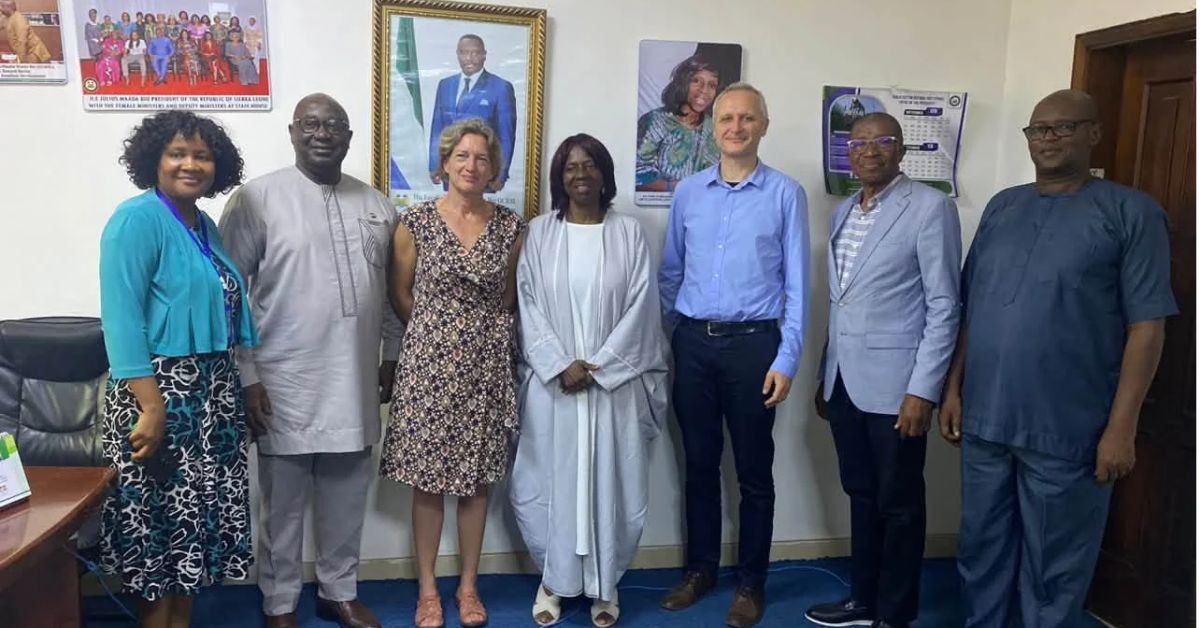
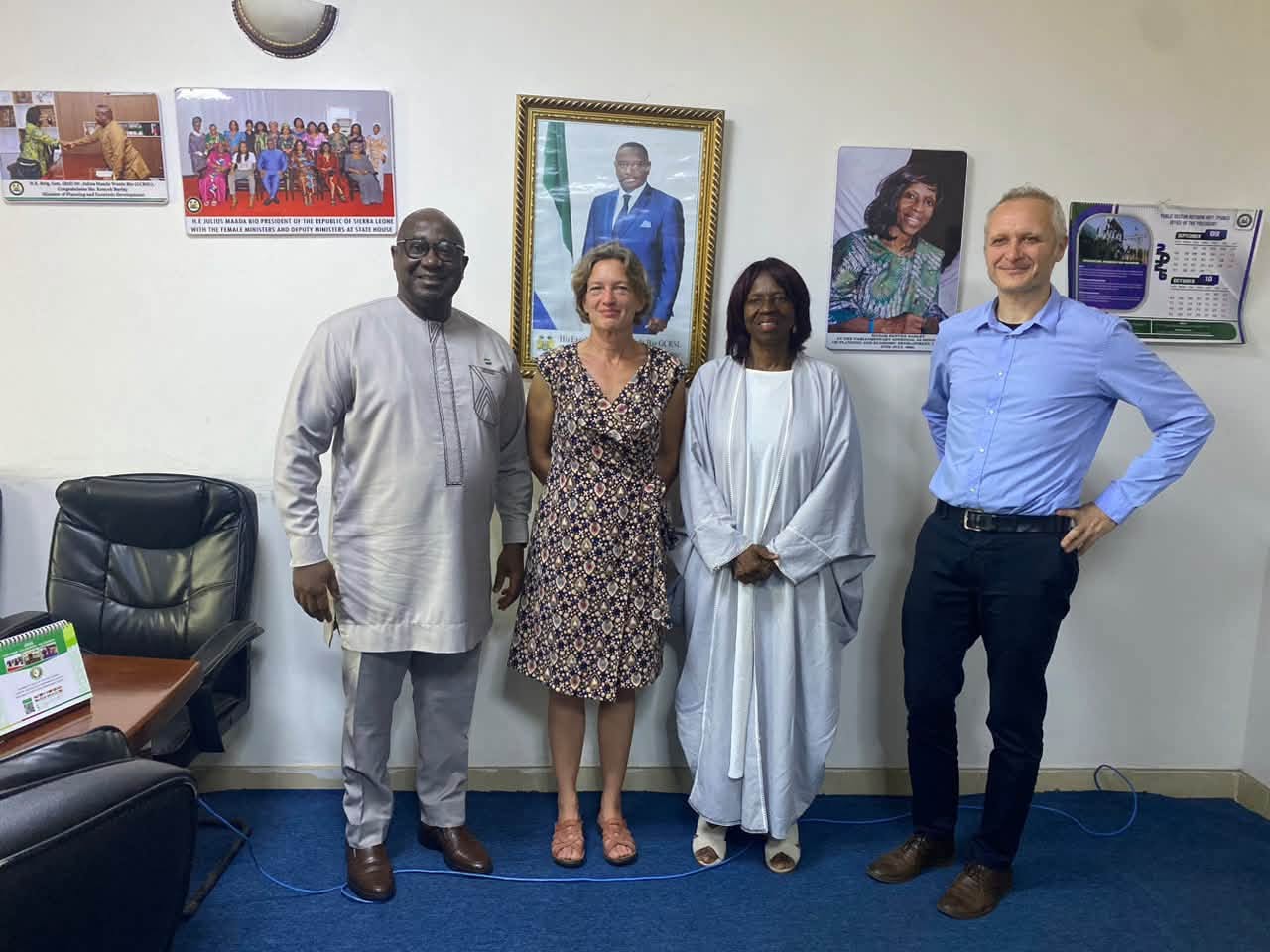
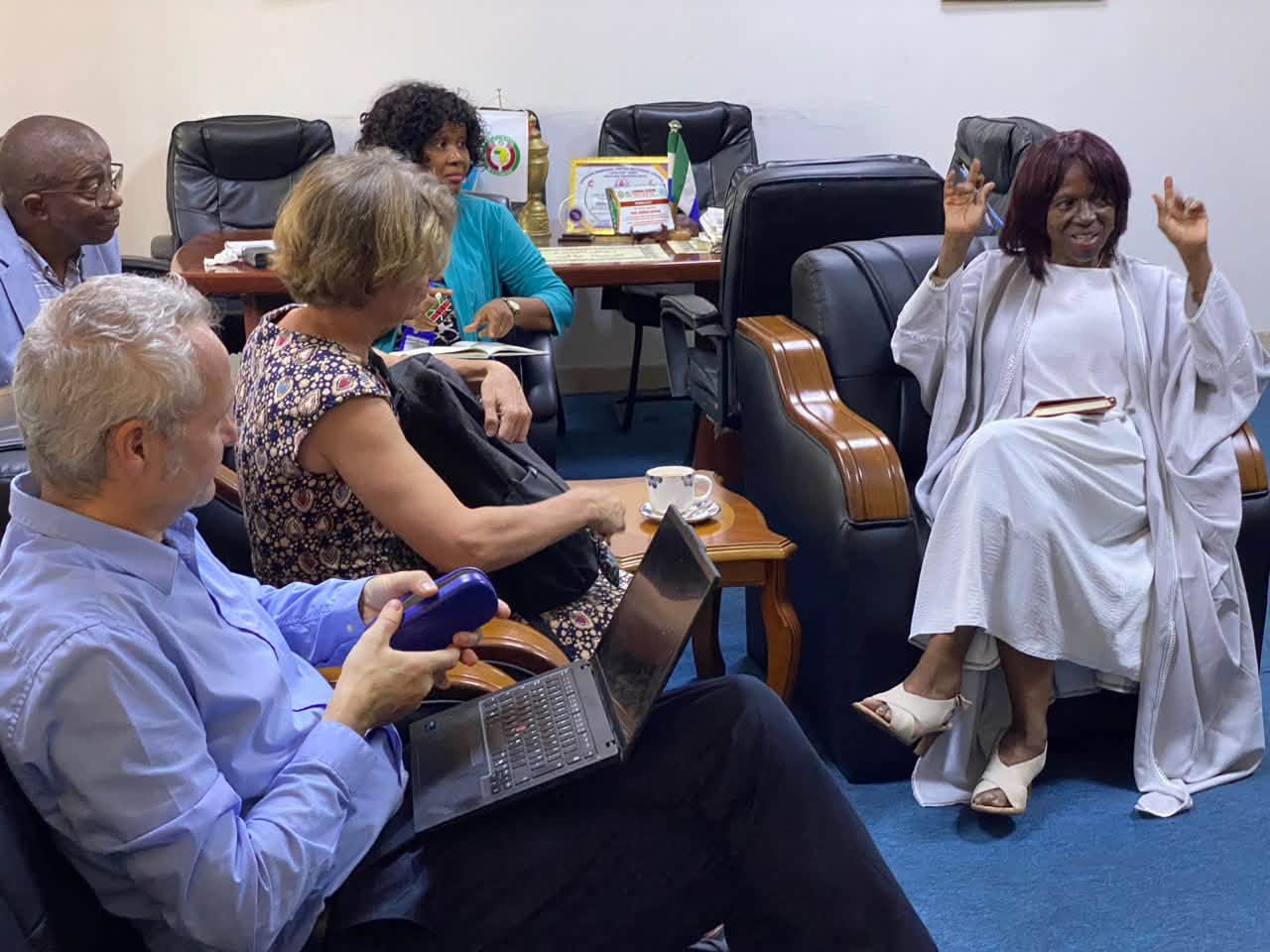
Minister Barlay made the call on Monday, 16 November 2026, during a meeting with FRSD consultants, Veerle Van Waesberghe and Steffen Horn, who paid a courtesy visit to her office to discuss preparations for the forthcoming National Authorising Committee (NAC) technical mission and related field activities.
The meeting was also attended by the Deputy Minister of Planning and Economic Development, Rev. Dr Jonathan Titus-Williams, and the Deputy Development Secretary, Mr Usman Cherry Conteh.

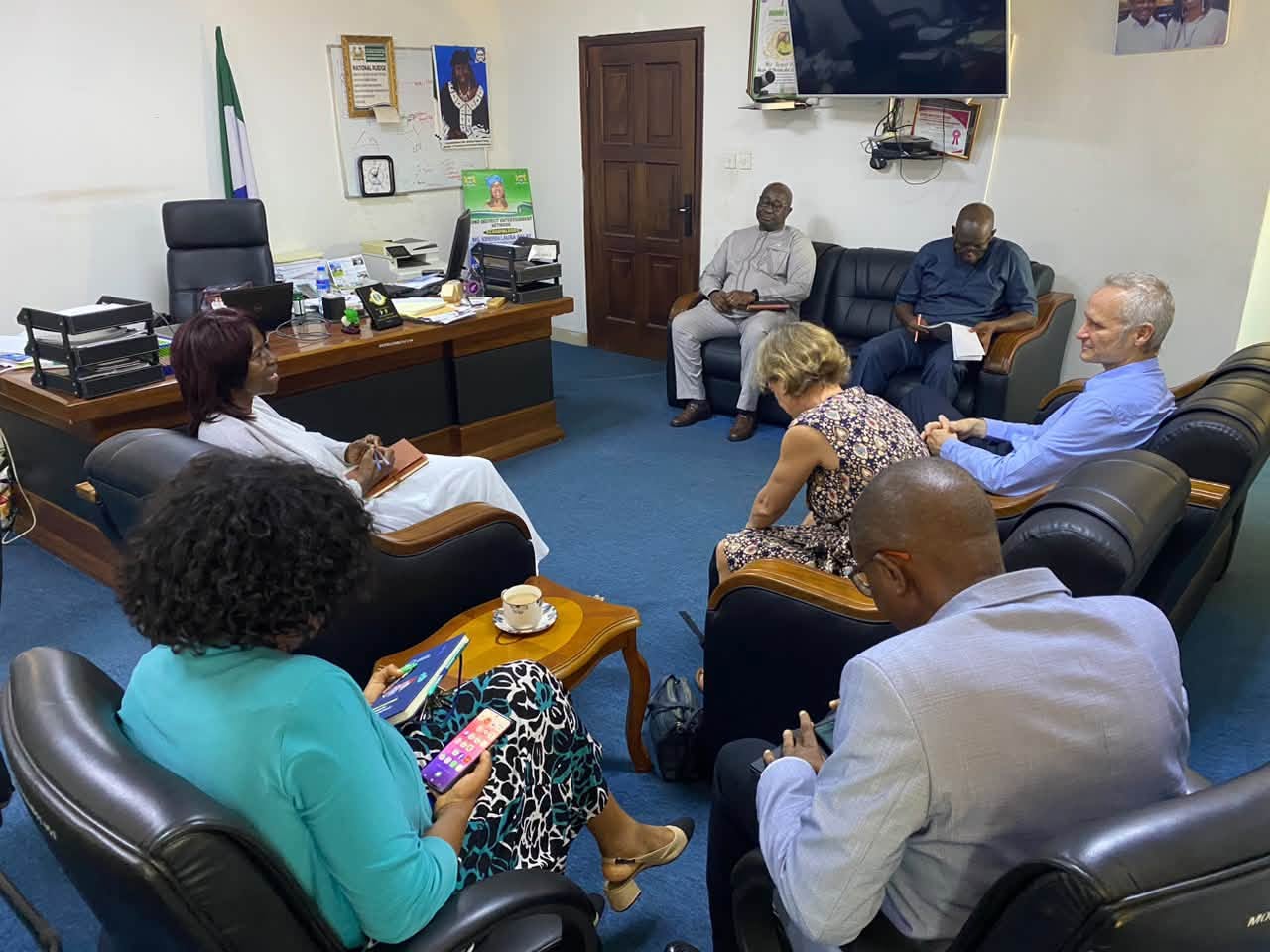


Discussions focused on translating programme priorities into practical development interventions, with particular attention to geographical targeting, institutional coordination and the identification of capable implementing partners.
Providing an update on the preparatory process, the consultants disclosed that eleven international non-governmental organisations (INGOs) had been pre-selected for consideration as potential implementing partners. They also highlighted ongoing consultations with relevant ministries and organisations, as well as efforts to establish contact with BRAC.
The meeting further examined the criteria for selecting geographical areas for intervention, particularly the three districts identified during preliminary discussions. Responding to questions from the Deputy Minister about the evidence informing the initial selection, the consultants referred to an earlier conflict profile assessment conducted under the FNC programme, alongside subsequent consultations and needs assessment findings.
They explained that the final selection of intervention areas would be guided by several factors, including accessibility, the operational capacity of implementing partners, project feasibility and potential development impact.
In her remarks, Minister Barlay emphasised that the priority should be to translate available resources into tangible development outcomes, stressing the need to ensure value for money and strategically direct investments towards interventions that can deliver meaningful and sustainable benefits to communities.
She highlighted rural electrification through solar energy as one of the potential areas for intervention, particularly in chiefdoms where access to electricity remains limited. The Minister also reiterated the importance of considering underserved districts, including Falaba and Koinadugu, in the geographical targeting process.
Other priority areas identified by the Minister included youth employment, vocational skills development, agriculture and community development. She encouraged stakeholders to explore practical interventions that directly address the needs and development priorities of vulnerable populations.
The engagement forms part of broader preparations to ensure that the FRSD programme is guided by evidence-based planning, coordinated stakeholder participation and a clear focus on delivering measurable results.
Meanwhile, the third meeting of the National Authorising Committee is scheduled to take place on Monday, 16 November 2026, at the MoPED Conference Room, where further discussions are expected to advance preparations for the technical mission and subsequent field engagements.