

Mining Dispute in Kono Puts Deep Rock Minerals’ Operations Under Scrutiny
 Osman Tolo Sesay
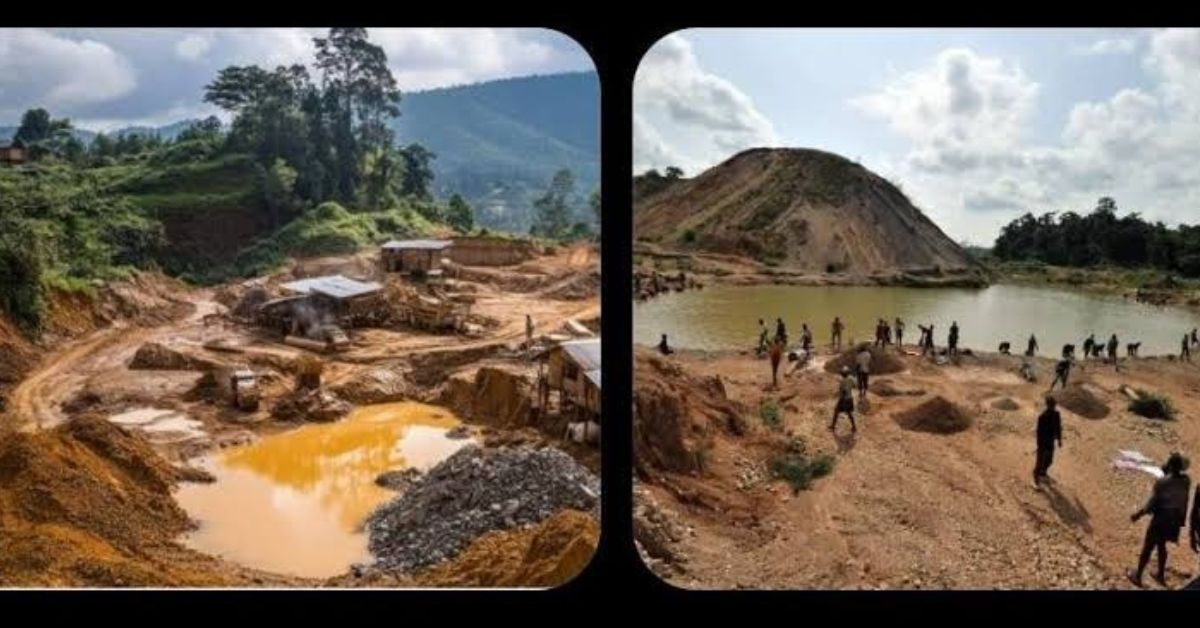
Mining operations involving Deep Rock Minerals SL Ltd in Kono District have come under scrutiny amid reports of community opposition, alleged property damage and arrests following tensions in Peya.
The dispute has raised questions about the company’s mining authorization, its engagement with host communities and the circumstances surrounding reported confrontations at the project site.
According to information gathered during inquiries into the matter, Deep Rock Minerals SL Ltd has presented documents said to authorize its mining activities under Sierra Leone’s regulatory framework, including approval reportedly issued through the National Minerals Agency (NMA). However, the authenticity, validity and scope of the company’s license have not been independently verified by the relevant authorities.

On October 22, 2026, company representatives reportedly met with the NMA Regional Manager in Kono, Paramount Chiefs and other stakeholders from Nimikoro and Nimiyama chiefdoms. During the meeting, the company is said to have presented copies of its signed mining license.


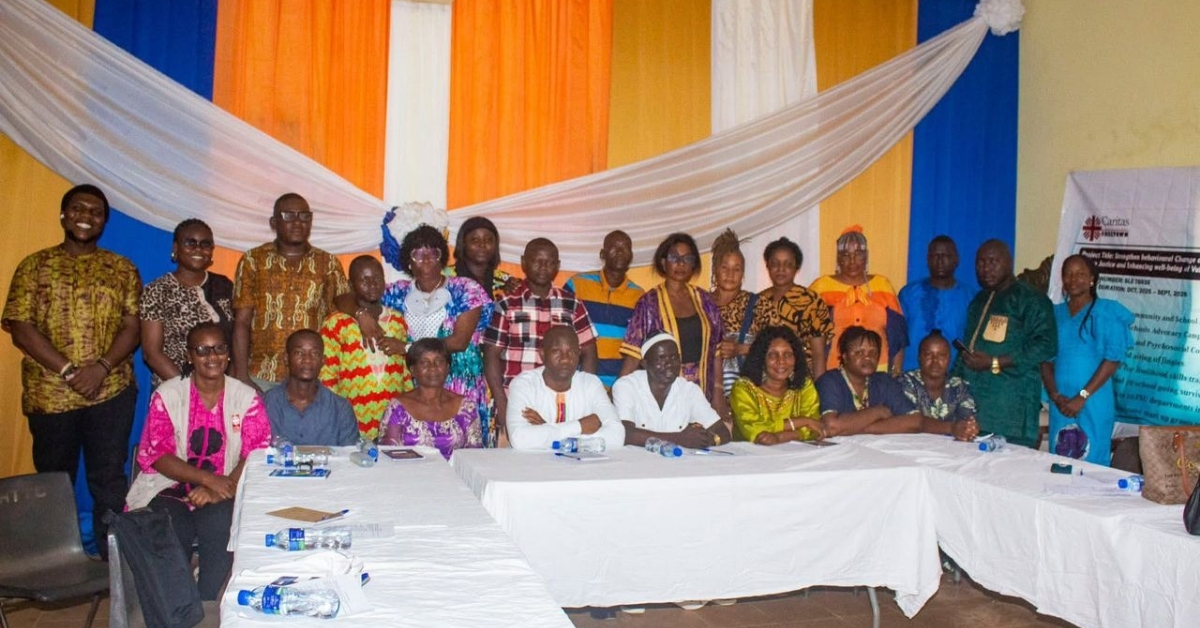
The engagement reportedly focused on the proposed mining project and the company’s relationship with traditional authorities and affected communities. Participants were also said to have expressed support for the project, with mining activities expected to begin shortly afterward.
However, the situation reportedly changed when road construction activities associated with the project commenced. Some youths allegedly resisted the operations, triggering tensions at the site.
Reports further indicate that company equipment and other property were damaged during the confrontation, with estimated losses running into hundreds of thousands of dollars. The extent of the damage, the individuals responsible, and the events that led to the confrontation remain independently unverified.
The incident has also drawn attention to reports that some residents were arrested following the dispute. Details surrounding the arrests, including the number of people detained and the reasons for their reported detention, have not been independently established.
The developments have renewed concerns about how mining companies engage with communities hosting their operations, particularly regarding consultation, transparency, environmental safeguards and the protection of local interests.
Sierra Leone’s mining laws require operators to comply with licensing conditions and other regulatory obligations governing mineral exploration and extraction. Host communities also have a legitimate interest in understanding proposed mining activities and raising concerns through established regulatory and community engagement channels.
The National Minerals Agency and other relevant authorities are yet to provide independently verified clarification on the company’s licensing status, the scope of its authorization and the circumstances surrounding the reported confrontation.
Their response would help establish whether the company’s activities complied with applicable mining regulations and clarify the events that led to the tensions in Peya.