

President Bio Closes WAIIS 2026 With 13 Agreements Signed
 Sia Lucy Kannah
President Julius Maada Bio closed the inaugural West Africa Integration and Investment Summit (WAIIS) 2026 with 13 agreements signed and seven announcements and project launches aimed at advancing regional trade, infrastructure and investment.
The two-day summit brought together governments, financiers, development institutions and businesses to consider 122 projects submitted by the 15 ECOWAS member states. The projects represent an estimated investment pipeline of about US$19 billion, according to summit organisers.
The agreements span transport, energy, manufacturing, telecommunications, mining and finance. Among the largest proposals are a deep-water port and railway at Banana Island, a coastal shipping service linking Freetown with other West African destinations, and a Northern Transmission Corridor to supply electricity to mining operations.




A memorandum of understanding between Gento Group, Dangote Industries and Afreximbank covers plans for the Banana Island port, a logistics hub at Kent and a railway connecting the port to mining areas.
Its sponsor estimates the port will cost about US$2.7 billion. Separately, Gento Group and Ghana Investment Bank signed an agreement to develop and finance the Kent Harbour Terminal as part of the broader port and railway programme, whose combined cost is estimated by its sponsor at about US$6.1 billion.
Other infrastructure agreements include the proposed Three Cities Development Project and Ring Road upgrade, estimated by its sponsor at approximately US$2 billion, and a US$200 million revolving financing facility for Pavifort-AL Associates. The facility would provide bid bonds, performance guarantees and letters of credit to support the company’s participation in donor-financed contracts.
Energy deals include an agreement to develop the Northern Transmission Corridor and an agreement to expand NANT Power’s 108-megawatt gas-to-power project at Kissy, including additional generation capacity and an LNG terminal. The first 60 megawatts from the plant under construction are expected to reach the national grid in early 2027. The Ministry of Energy and FG Gold also signed an MoU for the proposed Teyei hydropower project, which could generate between 25 and 40 megawatts, subject to feasibility studies.
The summit also featured agreements on mobile phone and electronics assembly, telecommunications expansion into other African markets, and Sierra Leone’s national utility masterplan. Under the proposed telecommunications joint venture between the Ministry of Communication, Technology and Innovation, Sierratel and Africell, the Government would hold a 15 per cent stake and Africell 85 per cent.
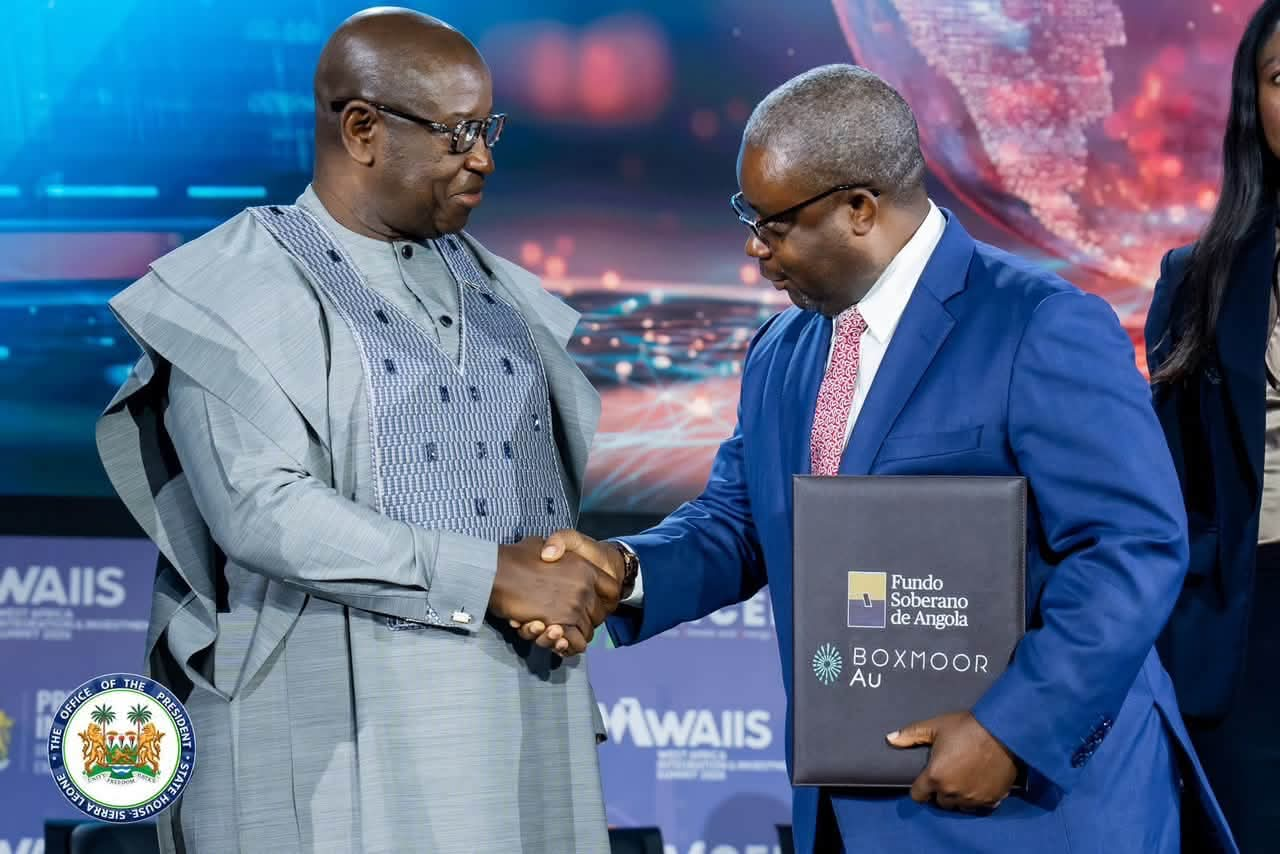
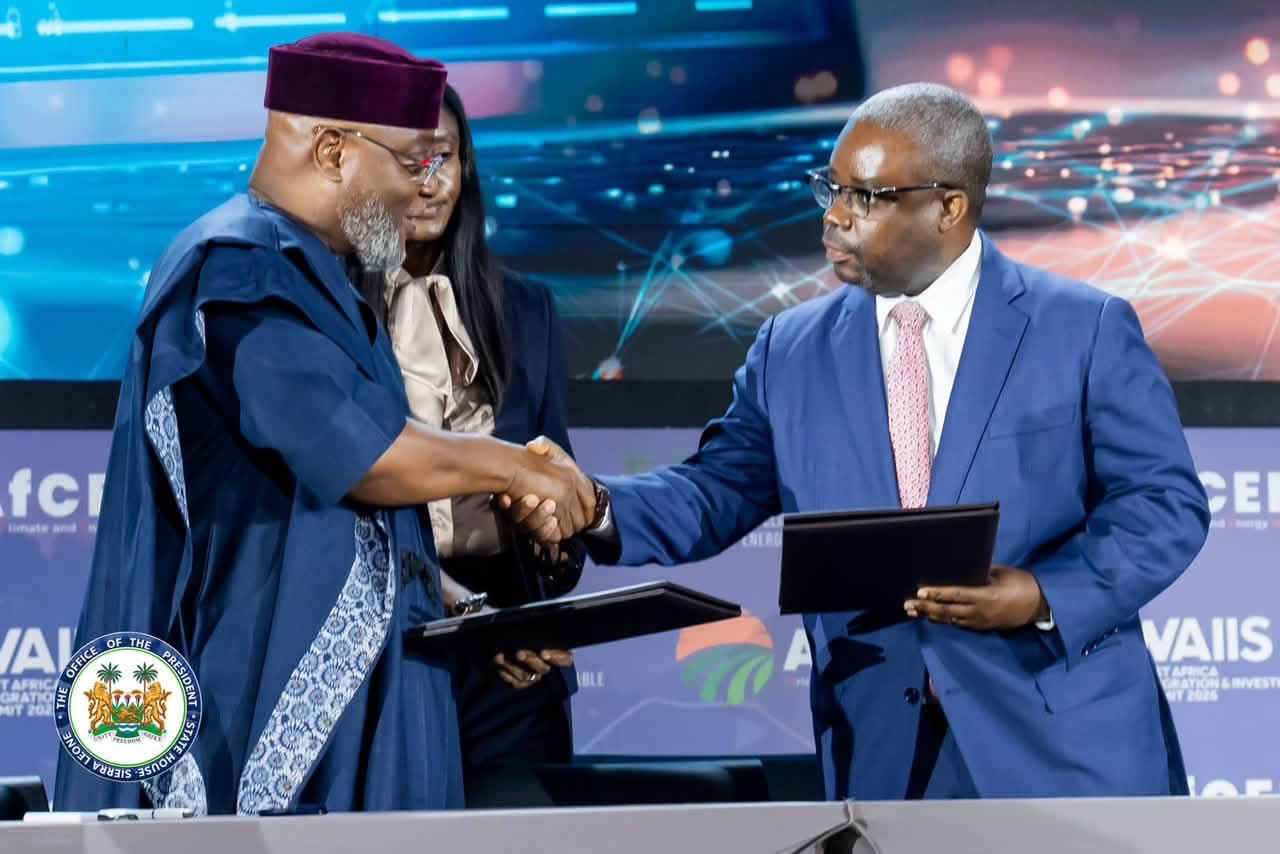
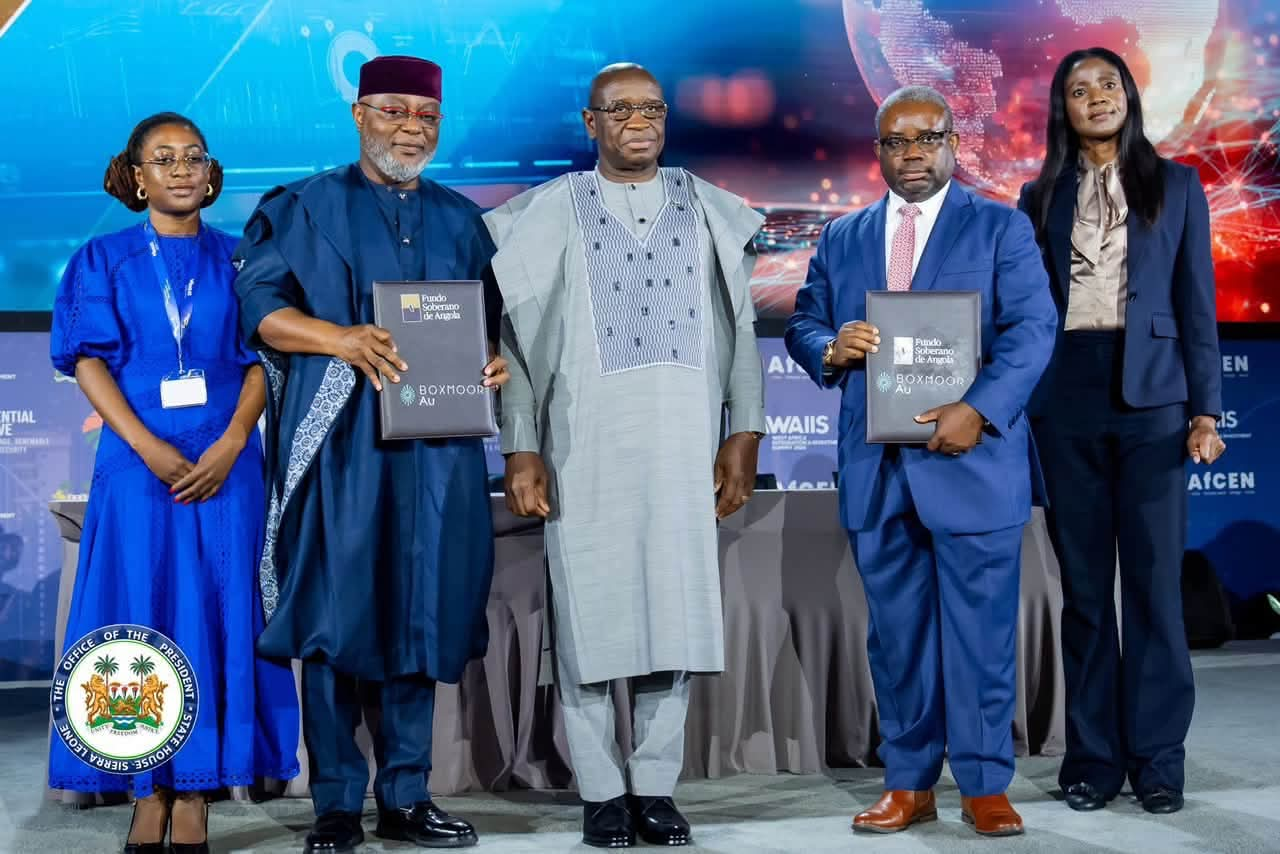
In mining, Boxmoor Au and Angola’s Fundo Soberano de Angola signed an agreement involving Boxmoor Resources and the Baomahun Gold Project, valued at approximately US$1.5 billion. The Bank of Sierra Leone also announced plans to buy gold from the mine for the country’s reserves. The project has received approximately US$430 million in financing from the Africa Finance Corporation and Afreximbank and is expected to generate up to 900 jobs.
Seven announcements and launches accompanied the agreements. These included the Mano River Union Strategic Economic and Industrial Corridor, a regional programme involving Sierra Leone, Guinea, Liberia and Côte d’Ivoire, with five proposed projects valued at about US$600 million.
The Government and World Bank launched the AgriConnect Compact, a 2026–2030 programme supported by a US$40 million grant and focused on rice, maize, onion and cocoa value chains. Organisers also launched a US$1 billion Agribusiness and Rice Sovereignty Facility, including a US$500 million Rice Window, to support regional food production and processing.
Other announcements included an ECOWAS Data Embassy Readiness Initiative backed by an initial US$1 million African Development Bank grant; plans for a second submarine fibre-optic cable estimated to cost US$40 million; and the issuance of a merchant banking licence to TOCAM Merchant Bank. The proposed cable would receive US$15 million from the World Bank, with the National Cable Consortium seeking a further US$25 million from private investors.
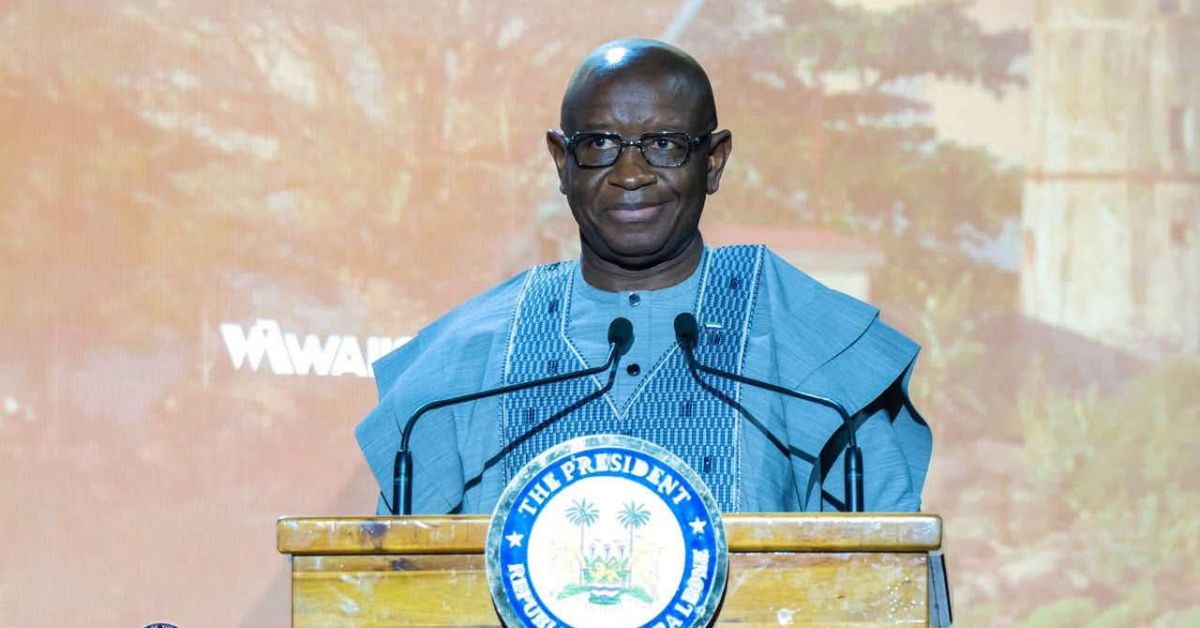
At the closing ceremony, Bio urged governments and businesses to move beyond declarations and ensure the agreements lead to investment, jobs and improved livelihoods. He called for fewer barriers to cross-border trade and greater access to finance for women and young people.
“West Africa must move from a Community of States to a Community of Markets,” Bio said, emphasising the need to turn the region’s agricultural, energy, mineral and digital resources into drivers of industrial growth.
Dr Kandeh Kolleh Yumkella, the President’s special envoy for WAIIS, said the summit’s investment process had advanced the 122 projects submitted by ECOWAS member states. He said engagement with investors and development partners would continue after the conference.
The summit’s organisers said implementation would require sustained political commitment and partnerships. The agreements and announcements now face the task of moving from commitments to completed projects and measurable economic outcomes.