
SLARI Introduces Farmers to Technology That Could Improve Soil Fertility and Yields
 Aminata Koroma
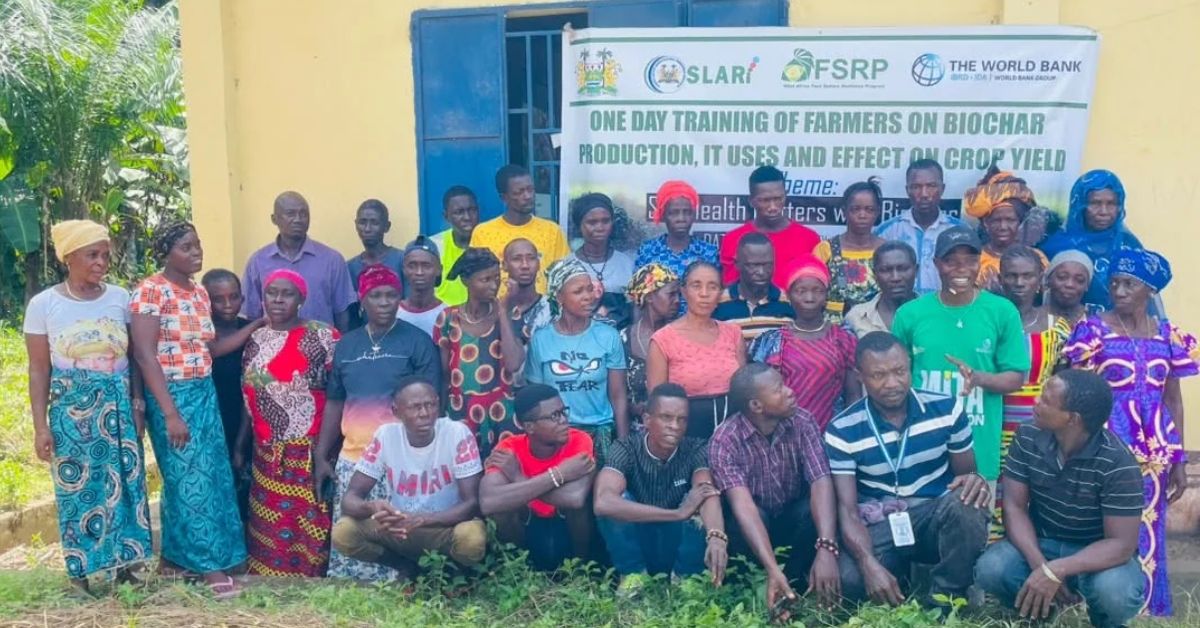
The Sierra Leone Agricultural Research Institute (SLARI) has trained farmers in the production and use of biochar technology as part of efforts to improve soil fertility, increase crop yields and promote sustainable agriculture across the country.
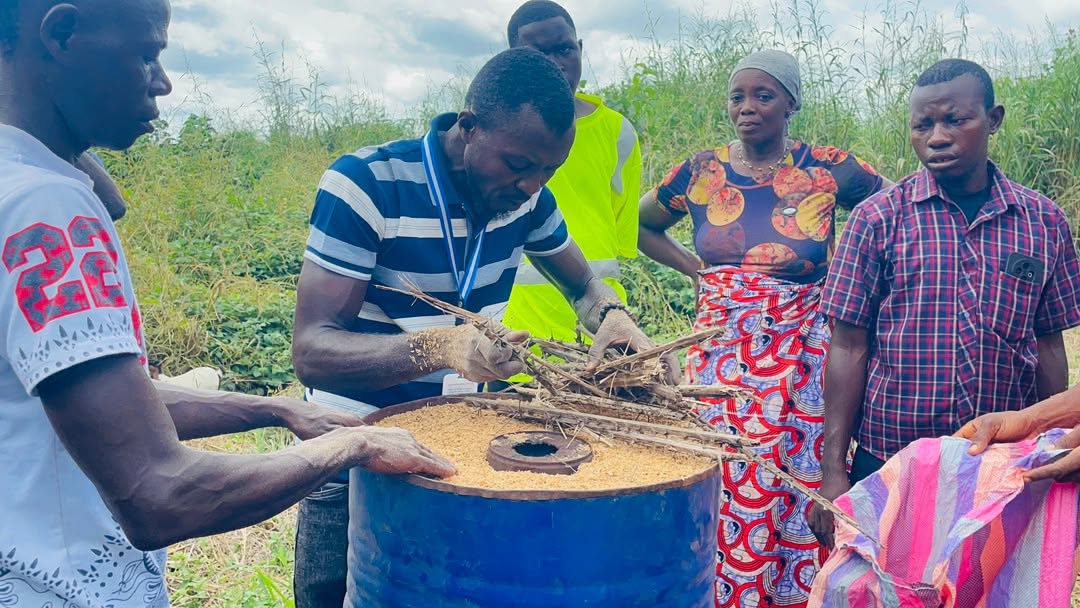
The training, organised through SLARI’s Magbosi Land, Water and Environment Research Centre (MLWERC), introduced farmers to the production of biochar, a soil-enhancing material made from agricultural waste such as rice husks.
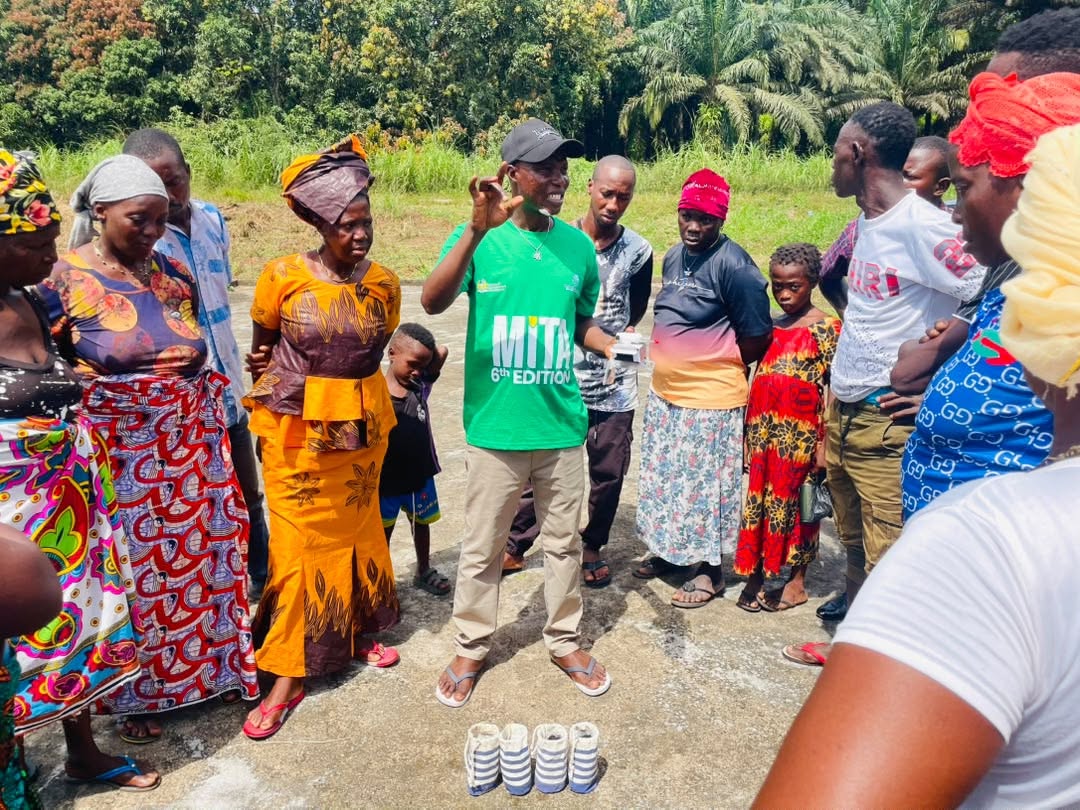

The initiative is part of an FSRP-SL-funded research project led by Soil and Water Engineer Hindolo Andrew Bebeley, which seeks to improve soil fertility, enhance water retention and increase cassava productivity on degraded agricultural land.



During the training, participants learned how agricultural residues, which are often discarded as waste, can be converted into a valuable resource for restoring soil health and supporting improved crop production.
One of the participants, Alhaji, said the technology could provide farmers with a practical and affordable solution to declining soil fertility.
“As farmers, our land is our livelihood. When the soil loses its strength, we feel it in our harvests and in our homes. Learning how to turn agricultural waste into something that can restore the soil is exciting because it gives us a solution that is practical, affordable and within our reach,” he said.
Research conducted across Port Loko, Tonkolili, Moyamba and Kenema districts has also revealed strong interest among farmers in adopting the technology, with more than 90 per cent of those surveyed expressing willingness to learn how to produce biochar.
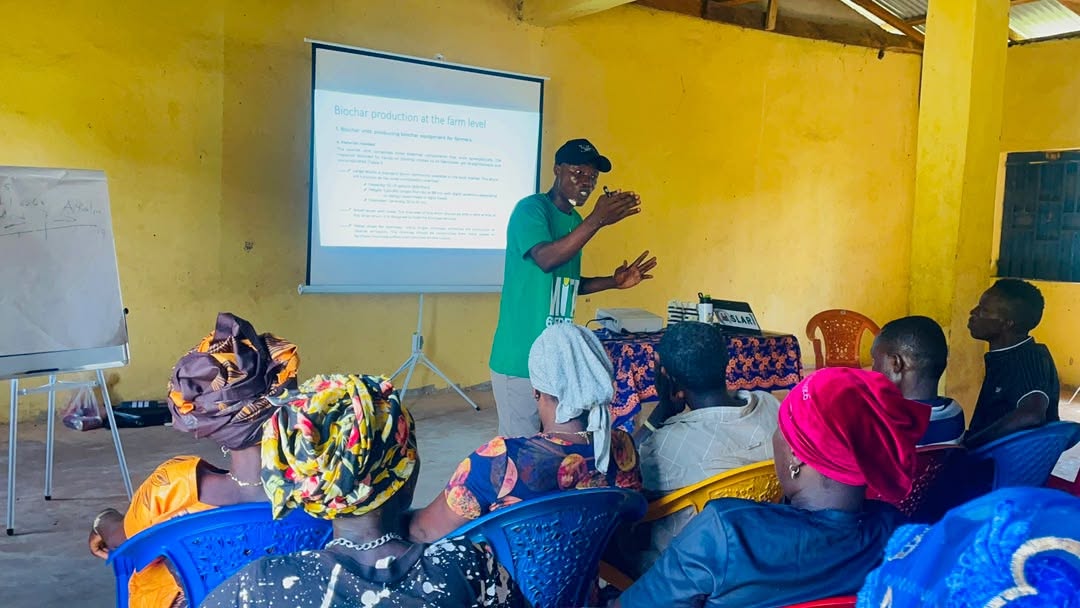
The research supports the objectives of the Feed Salone initiative by promoting locally driven agricultural solutions to strengthen food security, improve farmers’ livelihoods and encourage sustainable farming practices in Sierra Leone.