

“APC Will Certainly Return to Power,” Speaker Thomas Tells Parliament
 Aaron Parker
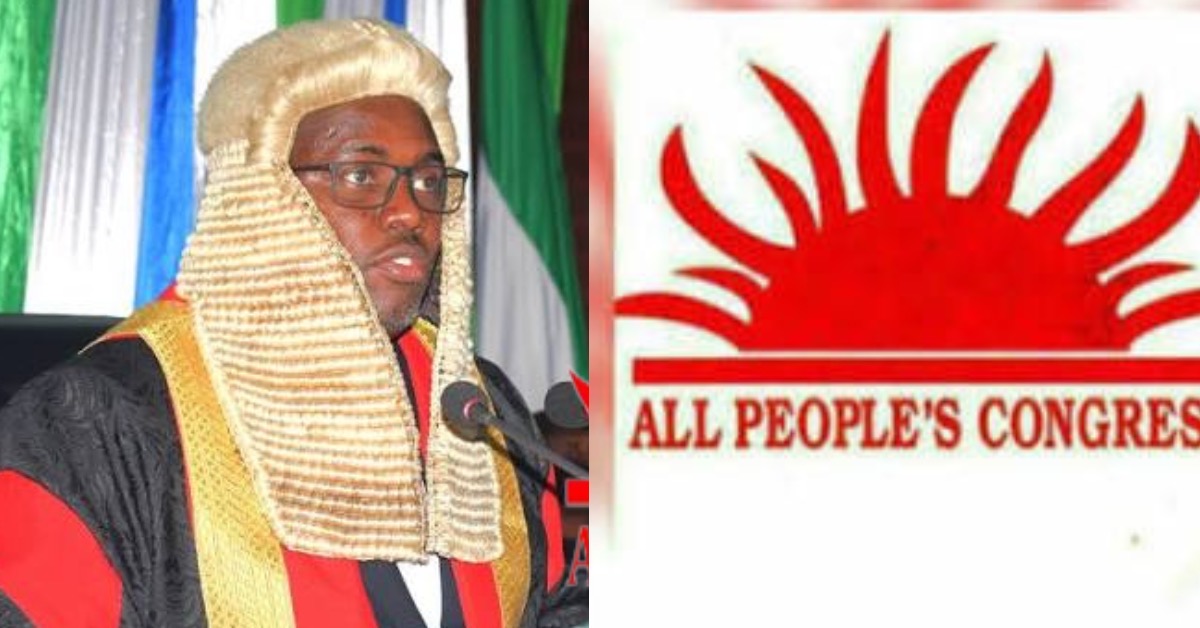
 Speaker of Parliament Rt. Hon. Segepoh Solomon Thomas has stated that the All People’s Congress (APC) will certainly return to power in the future, urging lawmakers to consider constitutional amendments based on principles that will serve every political party regardless of who controls the government.
Speaking during ongoing parliamentary debate on proposed constitutional amendments, Speaker Thomas cautioned Members of Parliament against making laws based on the assumption that a particular political party will remain in power indefinitely.
“Let me make this clear for all to understand: the office of the President should be a very powerful office in the Republic,” Speaker Thomas said.

He urged lawmakers to put themselves in the position of future administrations when considering changes to the law, stressing that political power changes hands and no party should assume permanent control of the state.
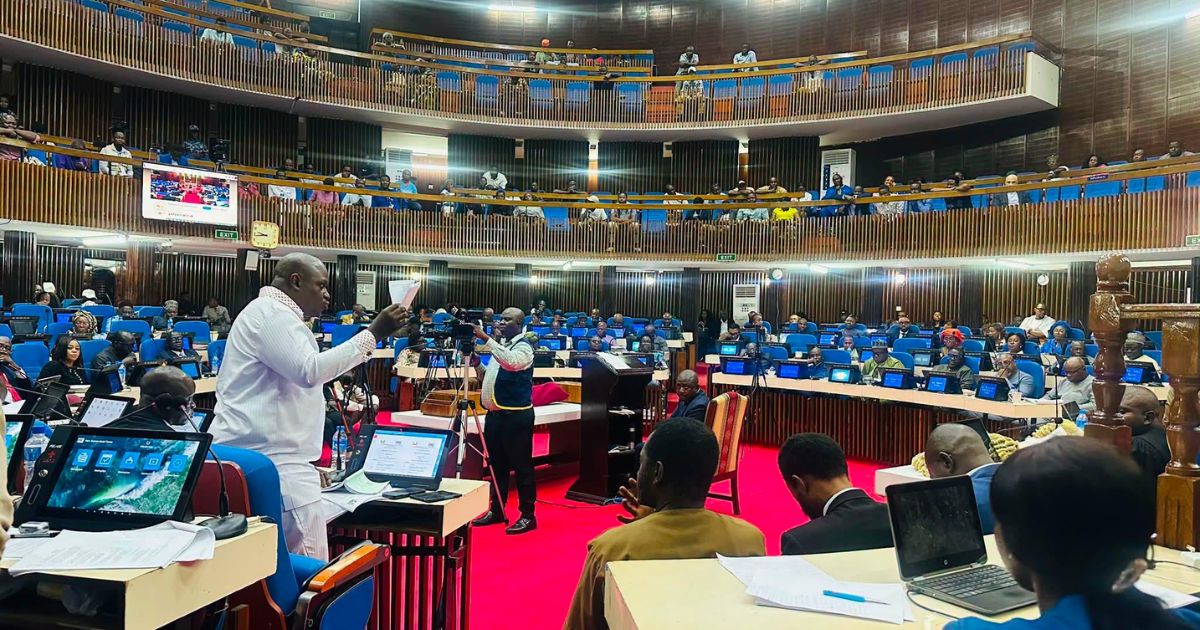

The Speaker noted that lawmakers should not support or reject provisions simply because of the current political situation, but should instead focus on creating a legal framework that protects the interests of all Sierra Leoneans.
“Do not make this law because you think somebody else is in power. Put yourselves in it and make this law because you don’t know who might be in power tomorrow,” he said.
Speaker Thomas added that the APC would return to power, while acknowledging that other political forces could also emerge and that the Sierra Leone People’s Party (SLPP) could equally find itself out of government in the future.
Parliament’s ongoing constitutional amendment debate has been dominated by disagreements between SLPP and APC lawmakers over key proposed reforms.
The main areas of contention include the proposed change to the presidential election threshold, the appointment process for the Search and Nominations Committee, and the introduction of a Proportional Representation (PR) electoral system.
While SLPP lawmakers support the proposed changes as democratic reforms, APC MPs have called for further consultations and scrutiny.
The amendment bill also proposes wider reforms covering elections, governance, political parties, security institutions, and democratic processes, including a 30 per cent quota for women nominees, fixed election dates, and provisions for independent presidential candidates.