

Sierra Leone’s Professor Charles Jalloh Seeks Historic Election to International Court of Justice

 Tolulope Aina
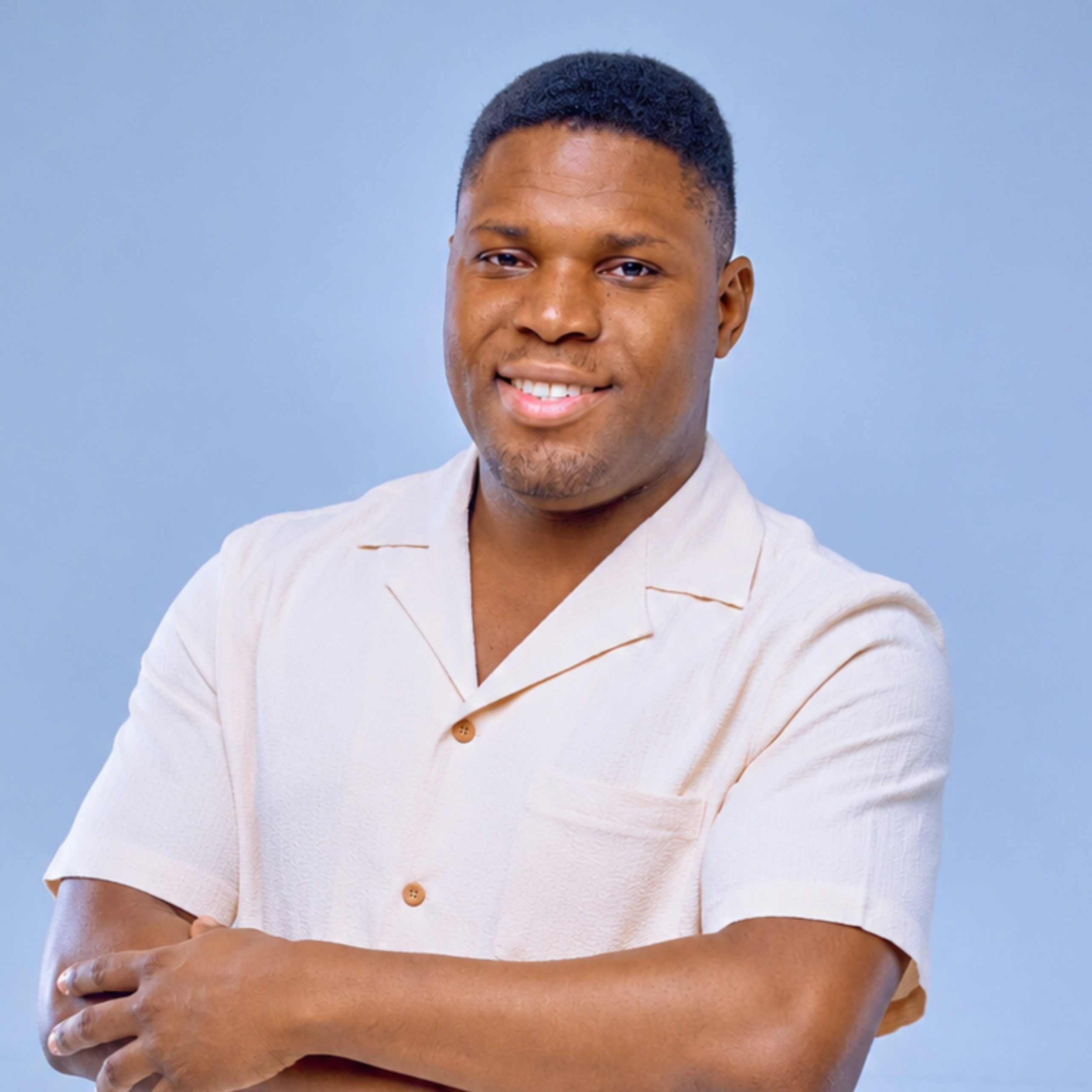
Sierra Leonean law professor Charles Chernor Jalloh is among the candidates contesting five seats on the International Court of Justice (ICJ) as the United Nations holds elections today, Tuesday, 3 November 2026.
Jalloh’s election would mark Sierra Leone’s return to the World Court for the first time since former judge Abdul Koroma left the bench in 2012 after serving for 18 years.
The election is being conducted through separate but simultaneous secret ballots by the United Nations General Assembly and Security Council in New York.

Candidates must secure an absolute majority in both bodies to be elected. This requires at least 97 votes in the 193-member General Assembly and eight votes in the 15-member Security Council. The voting may continue through several rounds until all five positions are filled.


Jalloh is seeking a nine-year term beginning in February 2027 and ending in 2036. He is among nine candidates competing for the five available positions, according to the Security Council Report.
His candidacy has received backing from 13 national groups across different United Nations regional groups. The Economic Community of West African States (ECOWAS) endorsed him as its sole candidate, while the African Union has also supported his nomination.
Sierra Leone’s Permanent Representative to the United Nations, Ambassador Michael Imran Kanu, reaffirmed the country’s support for Jalloh during a General Assembly meeting, highlighting his experience in international law and his contribution to the work of the United Nations International Law Commission.
Jalloh has served on the International Law Commission since 2017 and is currently its Special Rapporteur on subsidiary means for the determination of rules of international law.
He has also worked with the Special Court for Sierra Leone, the International Criminal Tribunal for Rwanda and the International Criminal Court. He has appeared as counsel before international courts and tribunals, including the ICJ.
He is a professor of law at the University of Miami and founded the Centre for International Law and Policy in Africa in Freetown.
The other candidates contesting the five positions include Dapo Akande of the United Kingdom, François Alabrune of France, Mahmoud Daifallah Hmoud of Jordan, Luz del Carmen Ibáñez Carranza of Peru, Rena Lee of Singapore, Phoebe Okowa of Kenya, Jin-Hyun Paik of South Korea and Marcelo Vázquez-Bermúdez of Ecuador.
The ICJ, based in The Hague, Netherlands, is the principal judicial organ of the United Nations. It settles legal disputes between countries and provides advisory opinions on questions of international law.
The election is particularly significant for West Africa, which has not had a judge on the 15-member court since Judge Koroma left in 2012.
If elected, Jalloh would serve as an independent judge and would not represent the Government of Sierra Leone in the Court’s proceedings.