

Diamond Giant De Beers up for Sale Amid Blood-Diamond Legacy
 Sorie Abubakar
 Global diamond giant De Beers is up for sale after suffering a severe financial downturn, with the company recording an underlying loss of more than US$500 million in 2025.
The potential sale comes as the natural-diamond industry faces mounting pressure from falling demand, declining prices and growing competition from laboratory-grown diamonds. The development has also drawn attention to the emergence of cheaper diamond-production technologies, including machines reportedly developed in China that can produce lab-grown diamonds at a fraction of the cost of natural stones.
Reuters has reported that De Beers is facing a severe downturn, with its parent company, Anglo American, pursuing options for the sale of the century-old diamond business.

The company’s current financial difficulties have revived scrutiny of its long and controversial history in the global diamond trade, including allegations and investigations surrounding conflict diamonds during Sierra Leone’s civil war.


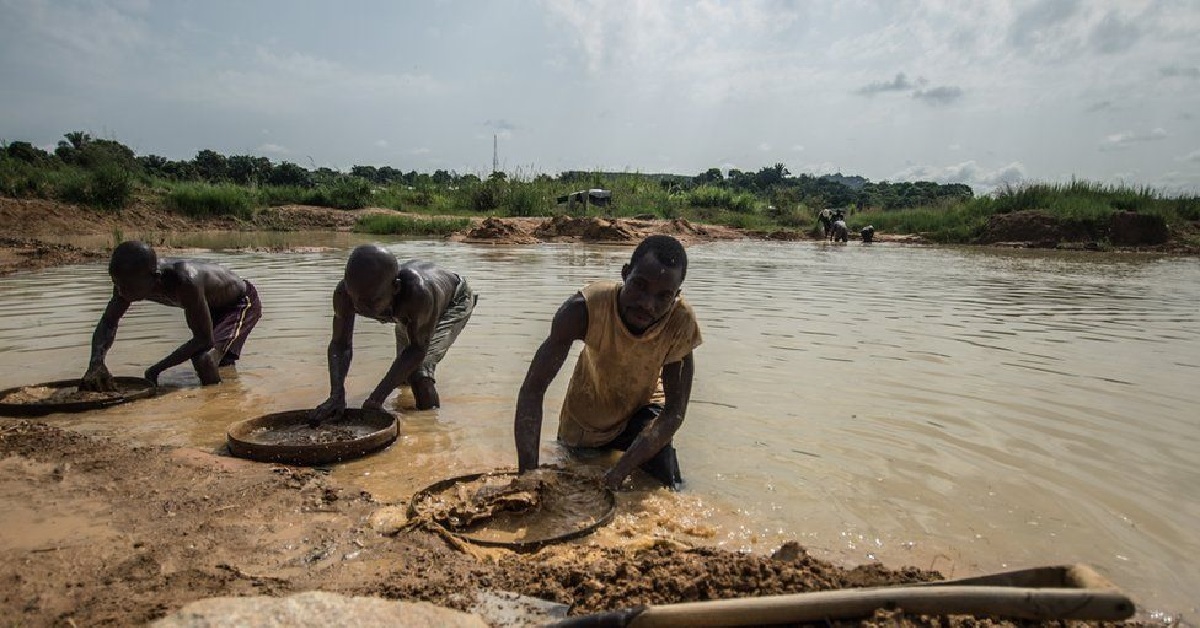
Sierra Leone’s Truth and Reconciliation Commission (TRC) found that diamonds were not the cause of the country’s 1991–2002 civil war but played a major role in prolonging the conflict. Diamond-rich areas were seized by the rebel group, Revolutionary United Front (RUF), which used proceeds from the illicit trade to obtain weapons and other supplies.
The conflict claimed tens of thousands of lives and was characterised by widespread killings, amputations, forced labour, abductions and displacement. The illicit diamond trade became one of the principal sources of financing for the rebellion.
De Beers was subsequently subjected to international scrutiny over its position in the global diamond market and allegations that conflict diamonds could enter legitimate international supply chains. The company denied knowingly purchasing or trading in blood diamonds and told Sierra Leone’s TRC that it had stopped buying Sierra Leonean diamonds years before the war.
However, a United Nations investigation in 2000 raised questions about the responsibility of major players in the international diamond industry. Given De Beers’ dominant position at the time, the UN panel said the company should accept some responsibility for aspects of the wider illicit diamond trade, although the investigation did not establish that De Beers directly financed or armed the RUF.
The blood-diamond scandal exposed weaknesses in an international system where stones could be smuggled across borders, mixed with legitimate diamonds and sold on global markets with limited ability to establish their original source.
For Sierra Leone, the legacy remains painful. A natural resource that could have generated prosperity instead became a means of financing a devastating war.
Today, as De Beers confronts falling natural-diamond demand and competition from laboratory-grown alternatives, its possible sale represents a dramatic chapter in the history of a company whose rise was built on the extraordinary value of diamonds and whose legacy remains intertwined with the human cost of the global diamond trade.