

Sierra Leone Issues Fresh Call to Protect Vulnerable Communities From Disasters
 Kanja Sesay
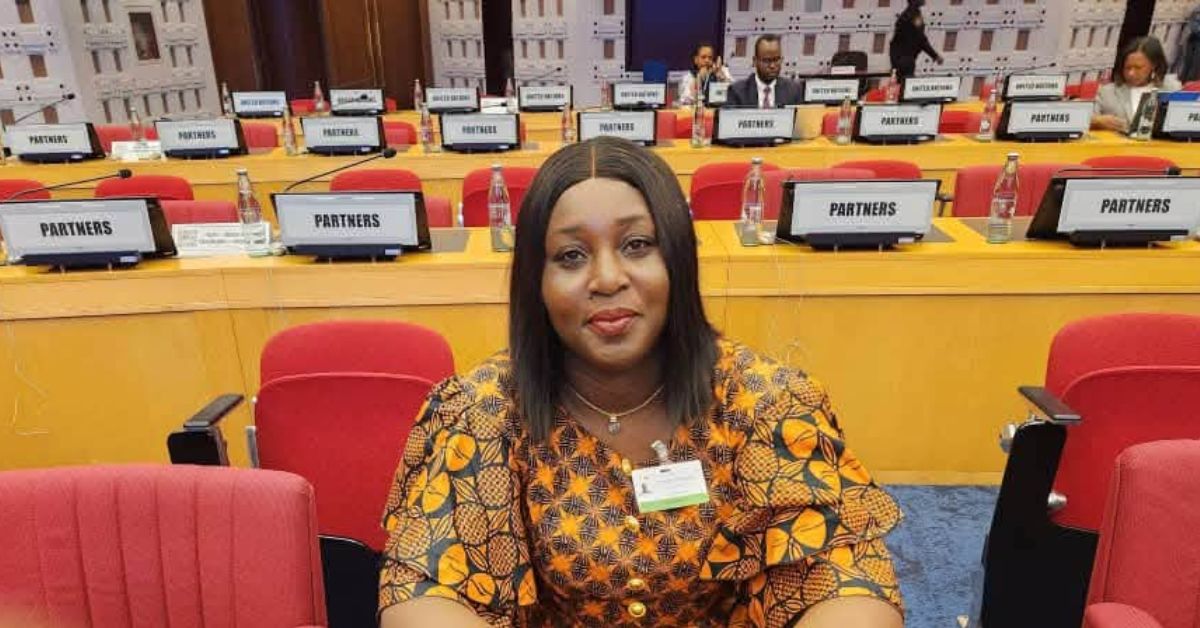
 The Gender Empowerment and Social Inclusion Coordinator of Sierra Leone’s National Disaster Management Agency (NDMA), Mrs Erica Konneh, has called for early warning systems that are inclusive, people-centred and accessible to all communities across Africa.
Konneh made the call while representing Sierra Leone at the Africa Early Warnings Forum, held in Addis Ababa, Ethiopia, from September 2 to 4, 2026.
The forum brought together government representatives, disaster-risk experts and development partners from across the continent to advance the Early Warnings for All (EW4All) initiative. It was supported by the United Nations Office for Disaster Risk Reduction (UNDRR) and the African Union.

Putting People at the Centre of Early Warnings
On the second day of the forum, Konneh delivered a keynote address in which she emphasised the need for early warning systems to take into account gender, disability and the specific circumstances of vulnerable and hard-to-reach communities.
“An early warning is only effective when it reaches the people who need it, in a form they can understand and through channels they trust,” she said.
She stressed that inclusion should be integrated across the entire early warning process, noting that women, children, older people, persons with disabilities and communities in remote locations can face additional barriers when receiving and responding to disaster warnings.
“We cannot truly speak of Early Warnings for All if some members of our communities are still being left behind because of disability, gender, geography, language or limited access to technology,” Konneh noted.
Africa Makes Progress, but Gaps Remain
The Africa Early Warnings Forum brought together more than 400 experts and officials to assess progress in strengthening early warning systems across the continent.
According to figures presented at the forum, the number of African countries reporting multi-hazard early warning systems increased from 14 in 2015 to 41 in 2026.
The reported comprehensiveness of these systems has also more than doubled since 2022.
Despite the progress, significant challenges remain as African countries continue to face increasing climate and disaster risks.
Extreme weather events affected at least 13 million people and resulted in more than 3,000 reported deaths across Africa in 2025, according to figures highlighted at the forum.
Participants were also warned that strong El Niño conditions forecast for 2026–27 could contribute to further weather extremes in parts of the continent.
Financing, Technology and Early Action
Discussions during the forum focused on several key areas, including sustainable financing, national ownership and institutional sustainability.
Participants also examined ways to strengthen people-centred and inclusive early warning systems, the role of technology and artificial intelligence, and the critical connection between early warnings and early action.
The forum culminated in the Addis Ababa Call to Action on Early Warnings in Africa, which outlined five priority areas for governments and partners to address remaining gaps and work towards protecting people through stronger early warning systems by 2027 and beyond.
Sierra Leone Strengthens Focus on Inclusion
Konneh’s participation builds on ongoing efforts within Sierra Leone’s disaster management system to make gender and social inclusion part of disaster preparedness, response and recovery.
In January 2026, she led a nationwide regional engagement involving all four NDMA regional offices, bringing staff together to strengthen the integration of gender-sensitive approaches into disaster management.
The initiative sought to position gender and social inclusion as core operational principles rather than issues addressed only at the margins of disaster response.
Call for Stronger Collaboration
Konneh also called for stronger collaboration among governments, communities, technical institutions, civil society organisations and development partners to ensure that early warnings result in timely action.
“Our focus must go beyond generating warnings. We must ensure that people receive them, understand them, trust them and have the capacity to act before a hazard becomes a disaster,” she said.
The forum further stressed the importance of maintaining investment and partnerships beyond 2027 to consolidate and expand progress under the Early Warnings for All initiative.
For Sierra Leone, Konneh’s participation provides an opportunity to contribute to the wider continental conversation while drawing on experiences from other countries to strengthen the country’s efforts to develop inclusive, people-centred and last-mile early warning systems.
What about mutilation of female genital part??
Why are you not saying anything about stopping that practice??