

Government Engages Tertiary Institutions Over UASA Strike Notice
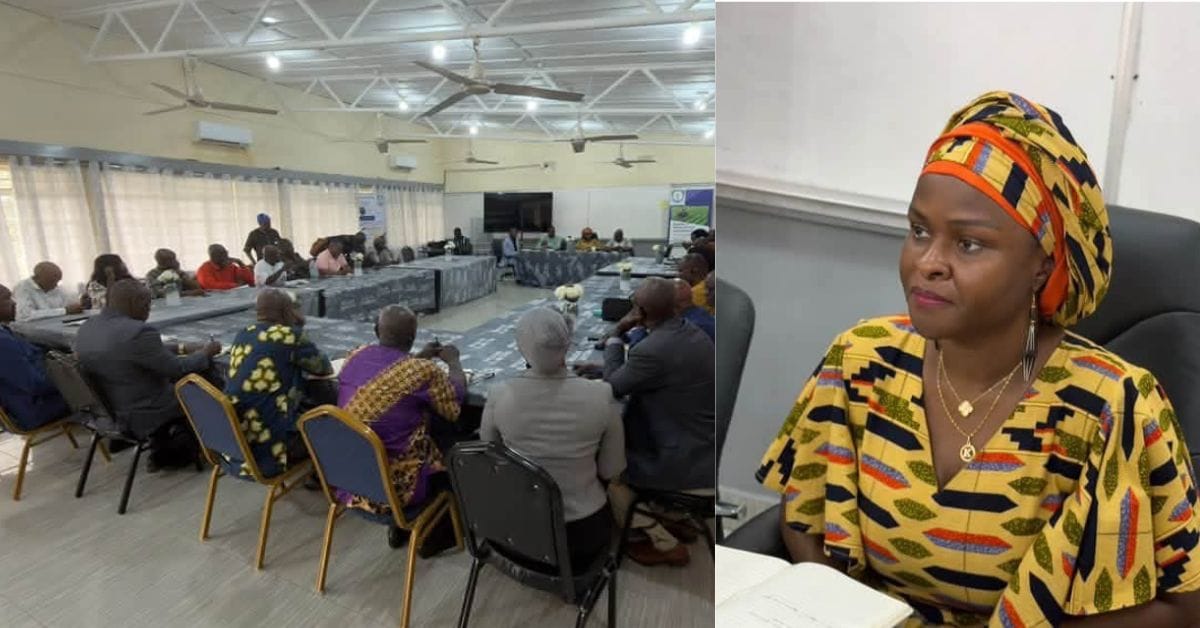
 Sia Lucy Kannah
 The Government of Sierra Leone has engaged leaders of public tertiary institutions over the industrial action announced by the Union of Academic Staff Association (UASA).
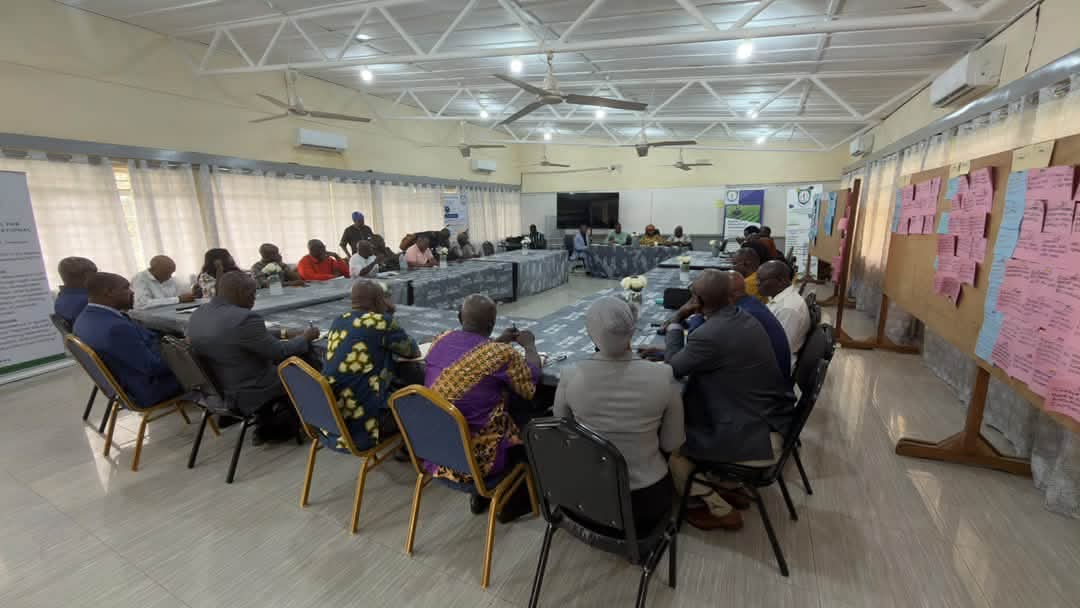
The meeting, convened by the Ministry of Technical and Higher Education, brought together tertiary institution leaders, the Wages and Compensation Commission (WCC), the Ministry of Employment, Labour and Social Security, the Sierra Leone Labour Congress and other stakeholders to review UASA’s demands and the ongoing negotiations.
Deputy Minister of Higher and Technical Education, Sarjoh Aziz Kamara, said the engagement was aimed at briefing institutional leaders on government’s discussions with UASA and ensuring the continued functioning of tertiary institutions.

WCC Director of Compensation, Jeremiah B. Ademokula, said the Commission had assessed UASA’s salary demands and their potential impact on the national budget. He said government currently covers about 83 per cent of university staff salaries, while universities contribute the remaining 17 per cent.
The WCC submitted its assessment to the Ministry of Finance on September 11, 2026, with further discussions expected among the Ministry of Finance, WCC, the Ministry of Technical and Higher Education and UASA.
Minister of Higher and Technical Education, Dr. Ramatulai Wurie, said UASA submitted proposals on salary increases and conditions of service in June. She said the conditions-of-service proposals were referred to university councils, while the salary component was sent to the WCC for negotiation.
According to Dr Wurie, UASA initially demanded a 500 per cent salary increase before reducing the demand to 100 per cent. She said government is assessing the revised proposal against available fiscal resources and relevant benchmarks.
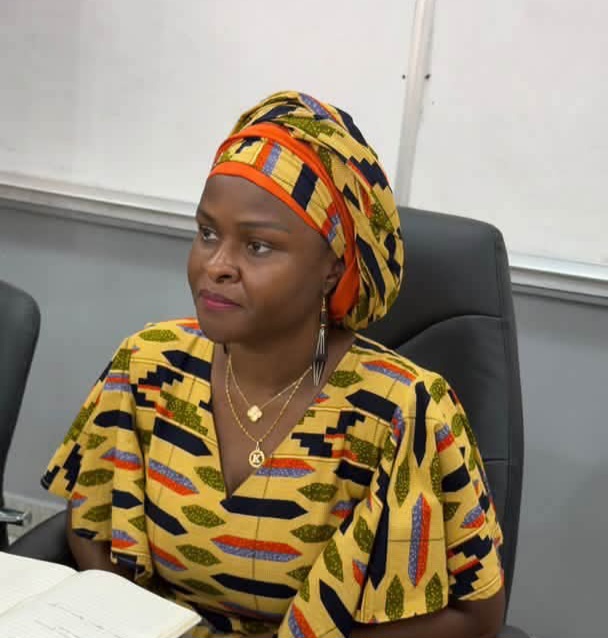
The Minister said government has been paying the majority of lecturers’ salaries since the 2018/2019 academic year, although lecturers are employed by their respective university councils.
She added that negotiations were still ongoing when UASA announced the industrial action, expressing concern over the decision to proceed with a strike while discussions were underway. She cited Section 64(3) of the Industrial Relations and Trade Union Act 2023 and stressed the need to follow due process.
Deputy Minister of Employment, Labour and Social Security, Lansana M. Dumbuya, called for continued social dialogue and established negotiation mechanisms to resolve the dispute.
The government reaffirmed its commitment to dialogue, transparency and the rule of law in addressing the outstanding issues.
Did the minister mention the balance severance payment benefit for lectures, l hope so because severance payment benefit for lectures is long over due, some of our colleagues have died without getting their severance benefit, so please l crave your indulgence to pay the balance severance benefit as soon as possible. Thank you.