

VP Juldeh Jalloh Proposes Lagos-Freetown Coastal Corridor, Urges Stronger Economic Ties With Nigeria
 Alusine Ahmed Kargbo
Sierra Leone’s Vice-President, Dr Mohamed Juldeh Jalloh, has called for stronger economic cooperation between Sierra Leone and Nigeria, proposing a Lagos–Freetown coastal corridor to improve connectivity, trade and investment between the two West African countries.
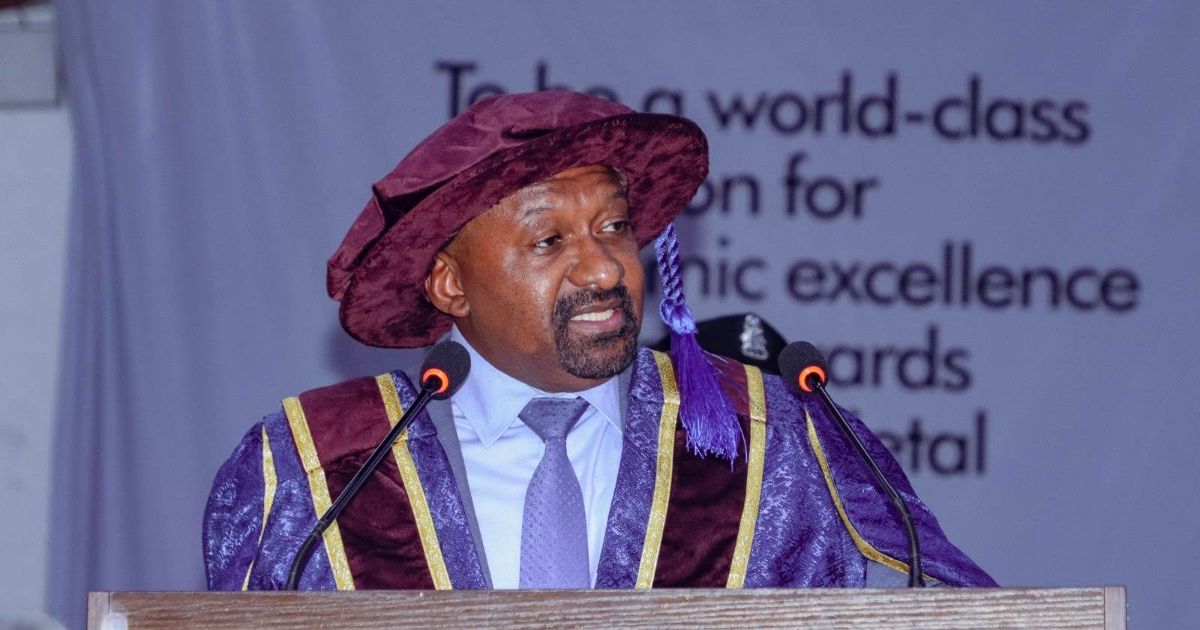
Jalloh made the proposal on Monday, November 16, 2026, while delivering the second convocation lecture at the University of Ibadan’s 78th Foundation Day anniversary and 2026 Convocation ceremonies.
His lecture, titled “The Enduring Promise of Nigeria-Sierra Leone Relations: From Shared Origins to Shared Prosperity,” focused on the historical relationship between the two countries and the need to translate their longstanding ties into practical economic partnerships.

The Vice-President urged both countries to move beyond their shared history and strengthen cooperation in trade, investment, technology, infrastructure and regional integration to create jobs and expand business opportunities.



Drawing inspiration from Nigeria’s Lagos-Calabar Coastal Highway project, Jalloh proposed a similar ambition for a Lagos–Freetown coastal corridor to improve connectivity and facilitate trade between the two countries.
He also called for more efficient ports, viable coastal shipping services and simplified customs procedures to reduce the cost of doing business across West Africa.
On digital connectivity, Jalloh advocated cooperation among telecommunications operators, regulators, payment systems and digital-service providers in both countries. He identified lower roaming costs, stronger fibre and subsea connectivity, reliable broadband and interoperable digital payment systems as important requirements for expanding cross-border commerce.
He further called for rail transportation to feature in the region’s long-term infrastructure plans, particularly where freight volumes could justify the investment and sustainable financing and maintenance arrangements were available.
According to him, the success of regional economic integration should be measured by how easily businesses can transport goods, obtain approvals, process payments and communicate with customers across national borders.
Jalloh stressed that regional integration must deliver tangible benefits for ordinary citizens, including employment, increased trade, reliable energy, affordable food, easier movement and wider economic opportunities.
He identified the Economic Community of West African States (ECOWAS), the ECOWAS Trade Liberalisation Scheme and the African Continental Free Trade Area (AfCFTA) as important frameworks for advancing cooperation.
The Vice-President noted that intra-ECOWAS trade accounted for about 11 per cent of the region’s total trade, compared with approximately 20 per cent in the East African Community and 19 per cent in the Southern African Development Community.
He said the figures highlighted the need for West African countries to deepen commercial integration despite the regional institutions and political structures already established.
Jalloh also emphasised the importance of protecting economic progress through peace, democracy and good governance, while encouraging stronger partnerships among businesses, universities, innovation centres and other institutions across Africa.
He referenced the West Africa Integration and Investment Summit taking place in Sierra Leone, where President Julius Maada Bio and other government officials are hosting African and international business leaders, investors, entrepreneurs and young people.
The summit’s focus on energy trade and industrial development, strategic minerals, agribusiness and food systems, and digital transformation, he said, reflected efforts to turn regional integration into concrete investment opportunities.
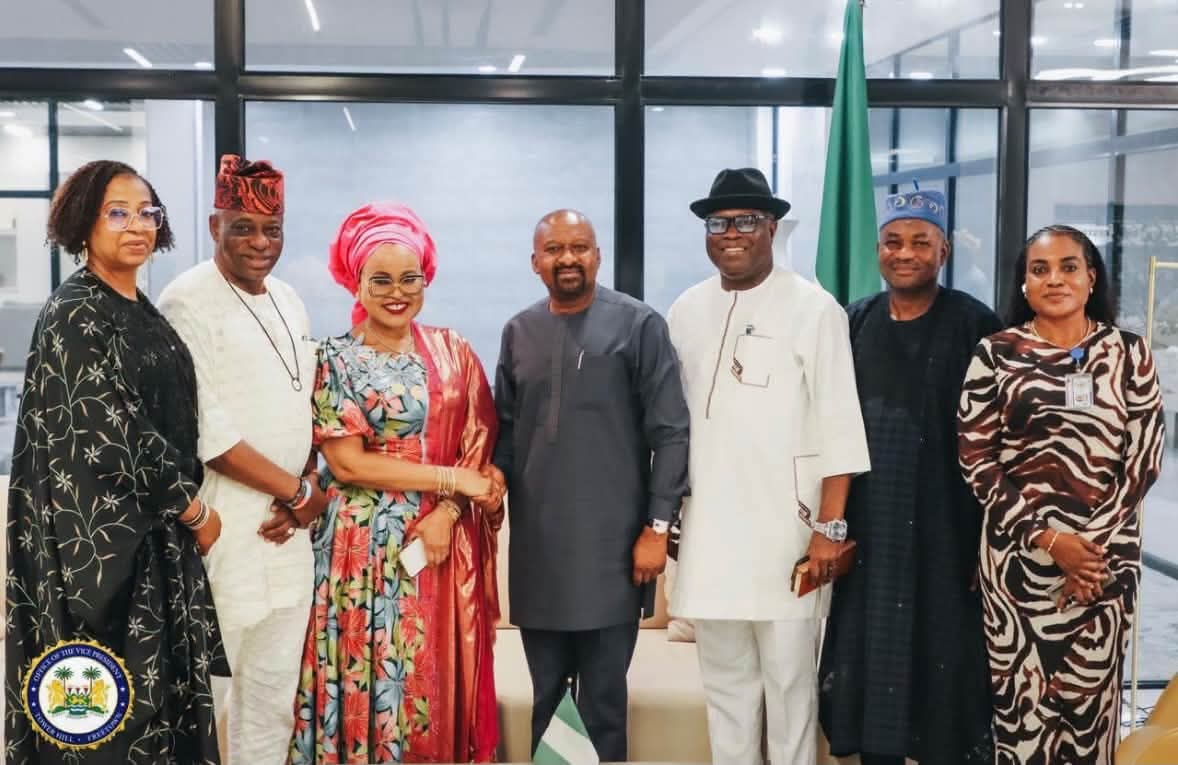
Jalloh arrived in Lagos on November 14 ahead of the university engagement. He was received at Murtala Muhammed International Airport by Sierra Leone’s Deputy Commissioner to Nigeria, Major General (Rtd.) Dauda Fred Alpha, Lagos State Government Secretary Bimbola Salu-Hundeyin and other Nigerian officials.
The visit also marked a return to an institution where Jalloh previously studied, this time as Sierra Leone’s Vice-President and a guest lecturer.
Earlier at the ceremony, the Chairman of the University’s Governing Council, Chief Bisi Akande, represented by former Vice-Chancellor Professor Idowu Olayinka, welcomed the Sierra Leonean leader.
Akande highlighted the historical connection between the University of Ibadan and Fourah Bay College in Sierra Leone, noting that many distinguished Nigerians had graduated from the latter institution.
The Vice-Chancellor, Professor Peter Olapegba, described Jalloh’s presence as an honour and a reflection of the shared aspirations of Nigeria and Sierra Leone. He expressed hope that the visit and lecture would contribute to the development of both countries.