

Wurie Stands Firm: No Reinstatement for MMTU Vice-Chancellor
 Kanja Sesay
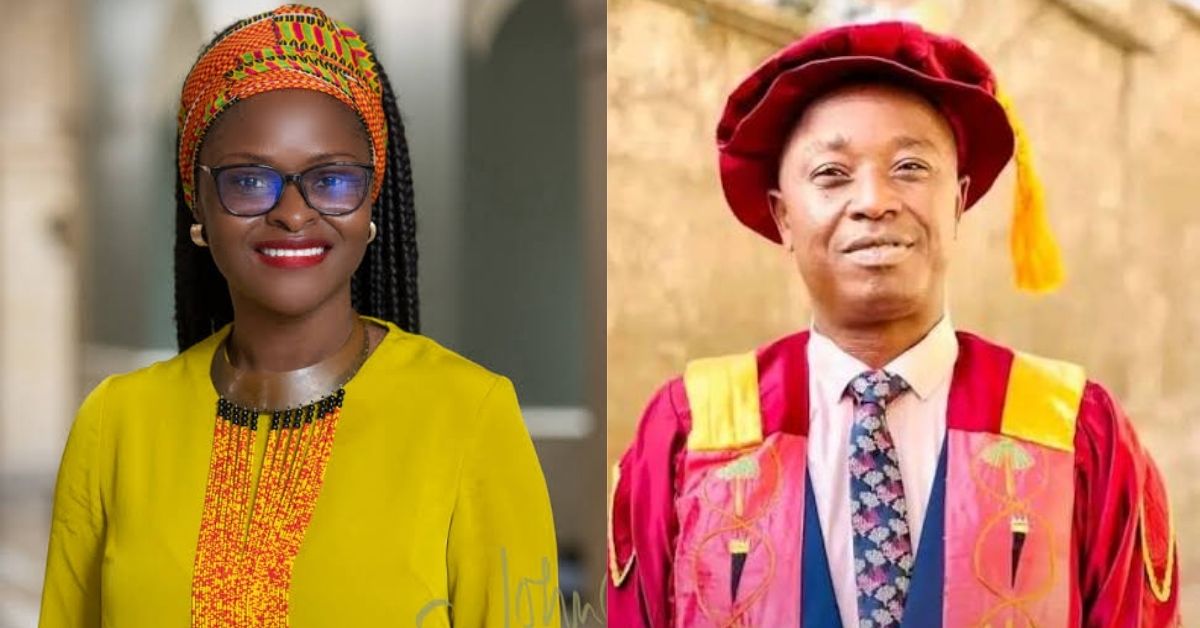
 A growing governance dispute at Milton Margai Technical University (MMTU) has intensified after Minister of Technical and Higher Education, Dr Haja Ramatulai Wurie, publicly rejected a parliamentary committee’s reported call for the reinstatement of suspended Vice-Chancellor Professor Philip John Kanu.
In an interview with radio democracy, Dr Wurie said she had not received any notice from Parliament instructing her to reinstate Professor Kanu and suggested she would not receive such a letter, stressing that institutions must understand their respective constitutional roles and responsibilities.
Her comments have added another layer to an already prolonged dispute involving the Ministry, MMTU’s leadership and Parliament.

The dispute dates back to April 2026, when Professor Kanu was suspended after an investigation into alleged irregularities in a staff recruitment exercise.

The investigation reportedly found instances of manipulation of interview scores, with candidates’ scores allegedly altered after interviews had been completed.
Professor Kanu was accused of accepting ultimate responsibility for the recruitment irregularities, leading to his suspension by MMTU Chancellor Ing. Mohammed A. Jalloh.
The Ministry of Technical and Higher Education subsequently froze MMTU’s bank accounts at several commercial banks, with the move reportedly justified as necessary to safeguard public funds and strengthen transparency and accountability during the dispute.
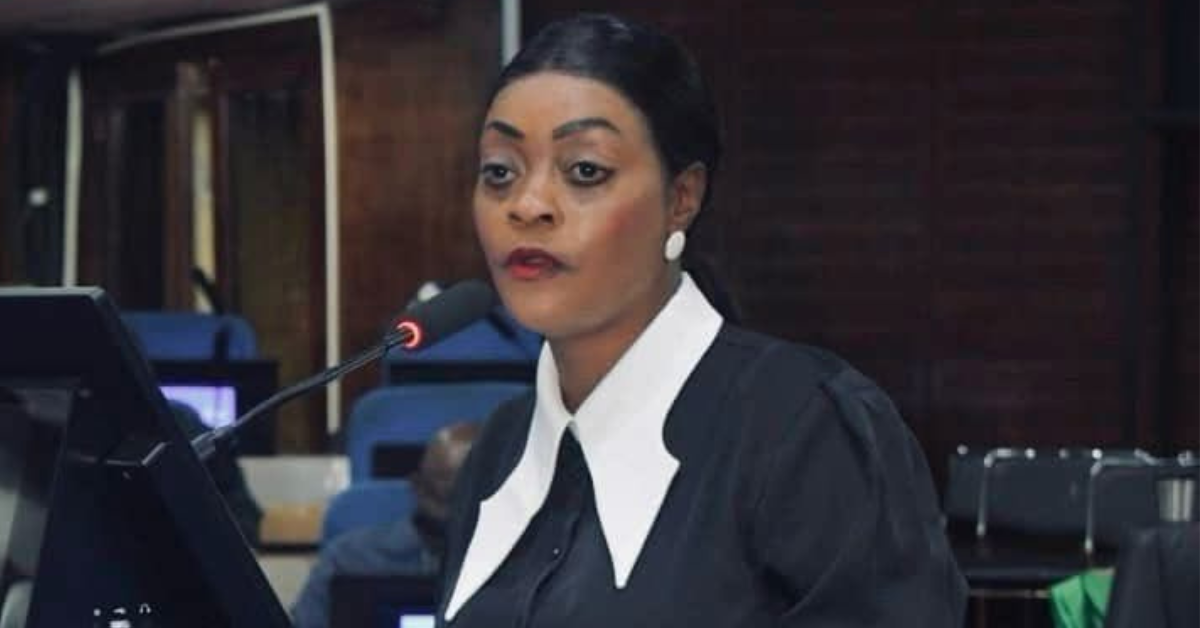
The disagreement later came before Parliament’s Committee on Technical and Higher Education, chaired by Hon. Joseph Williams-Lamin.
The committee held an emergency meeting on June 19, 2026, as it sought to examine the circumstances surrounding Professor Kanu’s suspension and the wider governance dispute at the university.
According to the committee’s findings, 20 of the 21 members of the University Court who were present did not support the unilateral suspension of Professor Kanu.
The committee also questioned whether the Chancellor had the legal authority to suspend the Vice-Chancellor without a decision from the University Court.
Another issue raised was the requirement for a mid-term performance review under Section 8(4) of the Universities Act, 2021, in relation to the Vice-Chancellor’s tenure.
Based on its interpretation of these issues, the committee recommended Professor Kanu’s immediate reinstatement and proposed a further meeting involving the relevant parties to resolve the dispute.
The disagreement has since expanded beyond the university itself, with Parliament and the Ministry appearing to remain at odds over the matter.
Chairman of the parliamentary committee, Hon. Williams-Lamin, has accused Minister Wurie of repeatedly failing to honour invitations and summonses from the committee.
“All that the so-called minister is doing is contempt of Parliament. Several times, the minister has refused to honour committee summonses. It is a serious disregard for parliamentary authority,” the Chairman said.
He reportedly described the situation as a disrespectful act and indicated that the matter could be referred to the Speaker of Parliament for further action.
The Minister’s latest comments have further highlighted the disagreement over the respective powers of Parliament, the Ministry and the university’s governing structures.
The dispute took another turn on August 12, 2026, when Chancellor Ing. Mohammed A. Jalloh reportedly issued a letter stating that Professor Kanu’s four-year tenure as Vice-Chancellor had expired under Section 8(4) of the Universities Act.
The development came despite Parliament’s earlier recommendation for his reinstatement.
The move has raised additional questions over the interpretation and application of the Universities Act, particularly concerning the role of the University Court and the mid-term review provisions relating to the Vice-Chancellor’s tenure.
The latest development has also complicated attempts to resolve the dispute through mediation.
Beyond the institutional and legal questions, the prolonged disagreement has implications for students and staff at Milton Margai Technical University.
More than 10,000 students are reportedly affected by the continuing uncertainty surrounding the university’s leadership.
The dispute has therefore become more than a disagreement between individual officials. It has raised broader questions about institutional governance, administrative authority, parliamentary oversight and the application of the Universities Act within Sierra Leone’s public universities.
During the parliamentary proceedings, one committee member reportedly summed up the situation by saying, “Borrowed anger is killing MMTU.”
The central question now is whether the dispute will be resolved through further engagement between the Ministry, Parliament and MMTU’s governing authorities or whether the disagreement will ultimately be determined through legal proceedings.
At the heart of the controversy is a fundamental question: who has the legal authority to determine the status of a university Vice-Chancellor under Sierra Leone’s Universities Act?
With the Minister rejecting the reported parliamentary call for reinstatement and the Chancellor subsequently declaring Professor Kanu’s tenure expired, the MMTU leadership dispute remains unresolved.
For students, lecturers and other members of the university community, the hope is that the competing institutions will find a lawful resolution that restores stability and allows the university to focus on its core responsibility—providing education and training to its students.
Dear Mrs minister, from the time of writing to you no severance payment benefit has been pay to the Eastern technical university account thereby making lectures as beggers, l want to carve your indulgence to attend to the plite of the Eastern technical university lectures, instead of leaving these monies for the wicked administration to eat it. Please make haste for the balance severance payment. Thank you for your concern and quick intervention.