
Sierra Leone Launches ECOWAS Stabilisation Fund Consultations to Tackle Fragility
 Ben Bassey
 Sierra Leone has officially launched consultations for the ECOWAS Regional Fund for Stabilisation and Development (FRSD), a financing mechanism designed to address the root causes of fragility and build community resilience across the region.
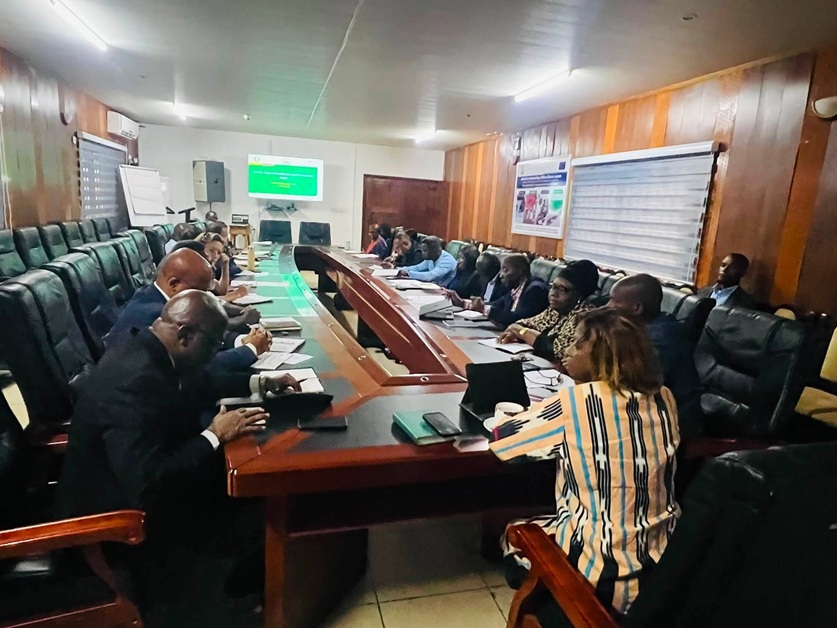
The three-day stakeholder meeting, which opened on 21 July 2026 at the Ministry of Planning and Economic Development Conference Hall in Freetown, brings together representatives from the ECOWAS Commission, the German Government, development partners, government ministries, local councils, and civil society organisations.
The FRSD, established by the ECOWAS Commission with support from Germany’s Federal Ministry for Economic Cooperation and Development (BMZ), finances investments in basic social infrastructure, entrepreneurship, youth and women’s empowerment, capacity development, governance, and social cohesion.

Minister of Planning and Economic Development Kenyeh Barlay officially launched the consultations, describing the initiative as a strategic opportunity to accelerate inclusive and sustainable development across vulnerable communities.
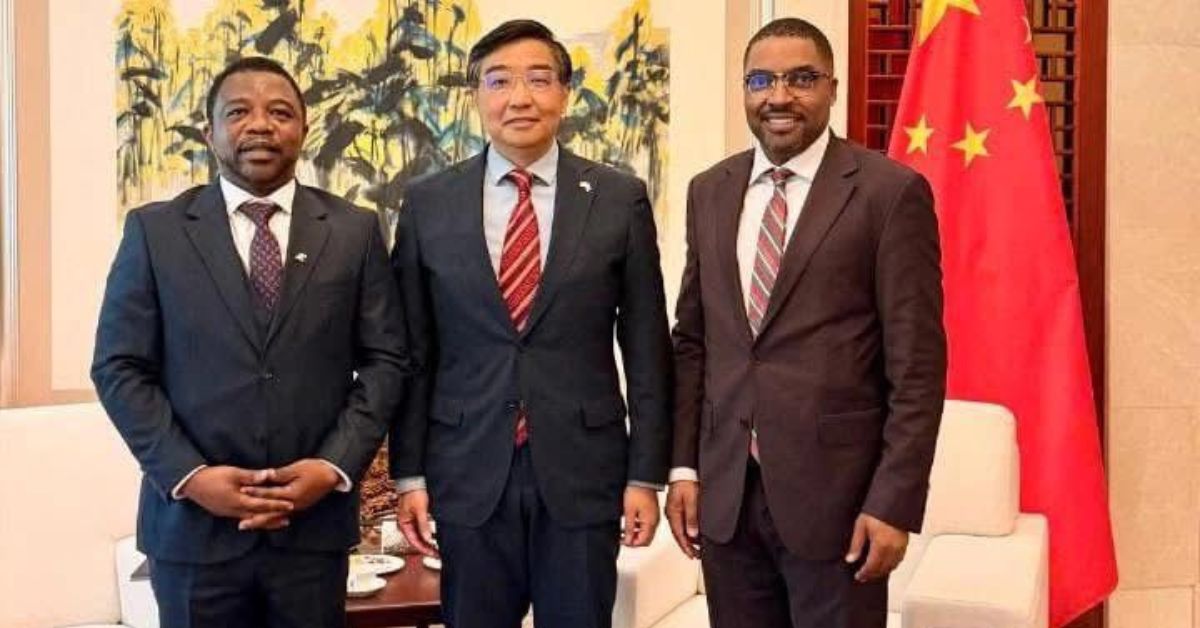


She reaffirmed the Government’s commitment to ensuring Sierra Leone maximises the opportunity through timely and efficient implementation. Minister Barlay stressed that interventions must be fully aligned with the country’s Medium-Term National Development Plan (2024–2030) and emerging Chiefdom Development Plans, while responding to the practical needs of local communities.
“We already have our national development priorities and chiefdom planning process underway. Let us move with urgency, identify the bottlenecks early and ensure that this programme delivers visible results within the implementation period,” she said.
The Minister also underscored the importance of establishing the National Advisory Committee (NAC) without delay, noting that unnecessary administrative and procurement bottlenecks must not slow implementation.
She encouraged stakeholders to focus on high-impact, community-driven investments capable of creating jobs, strengthening local resilience, and improving access to essential services.