
Sierra Leone Plans Hepatitis B Birth-Dose Vaccine Rollout for November
 Osman Tolo Sesay
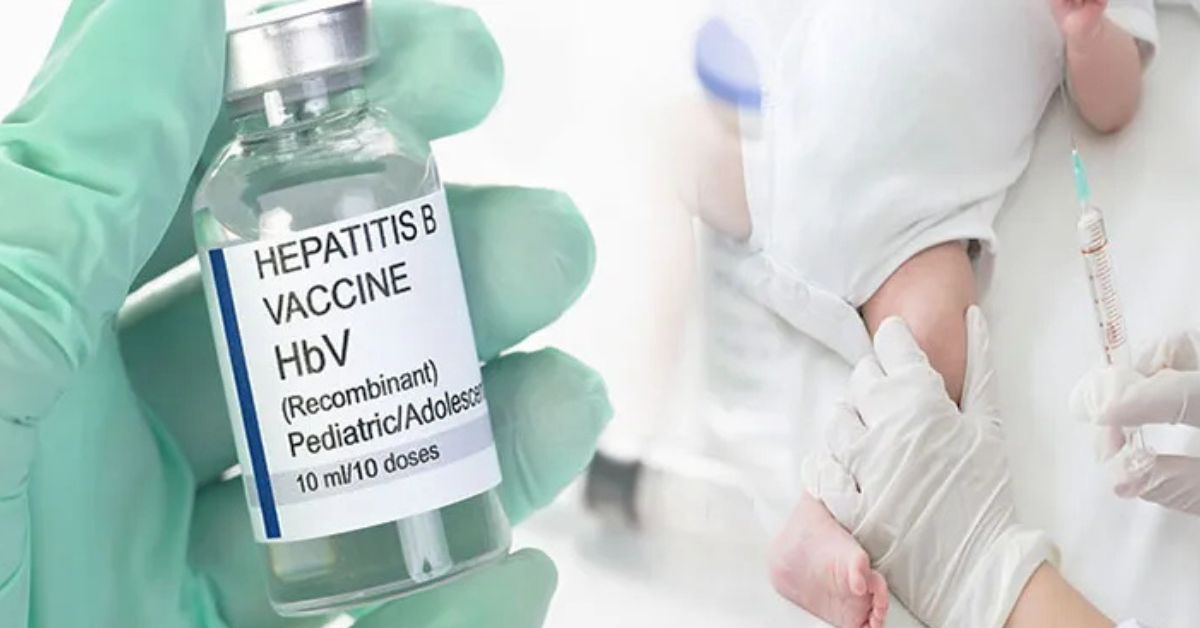
 Sierra Leone plans to introduce a hepatitis B birth-dose vaccine in November, with the Ministry of Health targeting an estimated 355,363 newborns nationwide.
The planned rollout is intended to strengthen efforts to prevent hepatitis B transmission from mothers to their babies and reduce the risk of chronic liver disease and liver cancer associated with infection.
Dr Desmond Maada Kangbai, program manager of the Ministry of Health’s Expanded Programme on Immunisation, described the planned introduction as a major development for child health.

“The introduction of the Hepatitis B birth dose in November 2026 is a significant milestone for Sierra Leone. Our priority is to ensure that every newborn has the opportunity to receive this life-saving vaccine as early as possible after birth,” Dr Desmond Maada Kangbai said.



Under the planned program, all newborns in Sierra Leone will be eligible for the vaccine, with the ministry setting a target of reaching at least 95 percent of eligible children.
The vaccine will be delivered through existing maternal, newborn and child health services, particularly in labour rooms and postnatal wards. According to the ministry, trained professional nurses will administer the vaccine as part of newborn care.
The rollout will also be linked to antenatal health education, giving expectant mothers and families information about hepatitis B and the importance of vaccinating newborns soon after delivery.
The World Health Organisation recommends that infants receive their first hepatitis B vaccine dose as soon as possible after birth, preferably within 24 hours. WHO identifies the timely birth dose as a key intervention for preventing mother-to-child transmission.
WHO also states that completing the hepatitis B vaccine series provides strong protection against infection, with protection potentially lasting for decades and possibly throughout life.
Hepatitis B can become a chronic infection, particularly when transmission occurs during infancy or early childhood. Chronic infection can contribute to cirrhosis and liver cancer later in life.
Dr Kangbai urged parents, caregivers, community leaders and health workers to support the planned vaccination program and help ensure eligible newborns receive the birth dose.
“We want parents, caregivers and community leaders to understand that the Hepatitis B birth dose is part of giving every child a healthy start in life. We are calling on families to ensure that their newborns receive the vaccine as recommended,” he stated.
The planned introduction comes as WHO continues to identify universal hepatitis B birth-dose vaccination and prevention of mother-to-child transmission as key measures in efforts to eliminate viral hepatitis.
For Sierra Leone, the ministry’s plan would add the birth dose to the country’s newborn health services while using existing immunisation and maternal-care structures to reach families.
The ministry’s stated target of 355,363 newborns and at least 95 percent coverage will require coordination among health facilities, nurses, families and community stakeholders as the planned November 2026 rollout approaches.