

Sierra Leone Targets Premium International Markets to Revive Coffee Industry
 Kanja Sesay
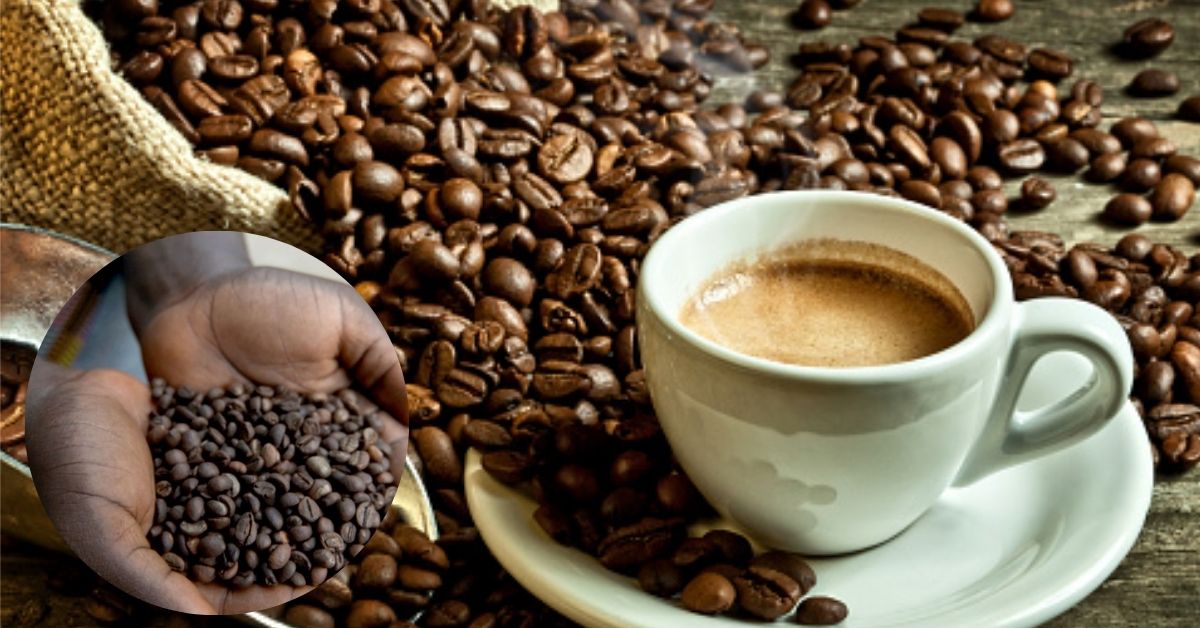
Sierra Leone is seeking to transform its coffee industry into a more stable and profitable sector through a regional partnership aimed at improving product quality, strengthening traceability and expanding access to premium international markets, according to information released on Monday, November 2, 2026.
The initiative comes as the country seeks to address significant fluctuations in coffee export volumes, which have created uncertainty for farmers and raised concerns about the long-term sustainability of the sector.
Sierra Leone earned approximately US$4.82 million from coffee exports in 2025, following the shipment of 952 metric tonnes to international markets. Although the earnings demonstrate coffee’s contribution to foreign exchange, recent trade figures highlight the challenges facing the industry.

Customs and trade data show considerable changes in Sierra Leone’s coffee export volumes over the past several years.


Exports stood at 1,951 metric tonnes in 2019 before falling to 637 metric tonnes in 2021. The volume recovered to 2,009 metric tonnes in 2022 but declined to 1,219 metric tonnes in 2023.
In 2024, exports surged to a six-year high of 2,908 metric tonnes before dropping sharply to 952 metric tonnes in 2025.
These fluctuations create difficulties for farmers who need predictable market conditions to make long-term investment decisions. Coffee cultivation requires considerable patience, as newly planted trees can take several years before producing commercially viable harvests.
Particular attention is being given to Stenophylla, a rare coffee species native to Sierra Leone that has attracted growing international interest because of its distinctive qualities.
Industry stakeholders view the species as a potential opportunity for the country to establish itself in premium speciality coffee markets.
Rather than relying mainly on bulk exports, the strategy seeks to increase the proportion of coffee sold as high-quality, traceable and speciality-grade products.
This approach could allow Sierra Leone to compete in markets where buyers place greater value on product quality, origin and traceability.
The Government expects the initiative to improve the prices received by farmers and increase the volume of coffee marketed as traceable and speciality-grade products.
For smallholder farmers, better access to premium markets could create opportunities for improved earnings and stronger incentives to invest in coffee production.
However, the actual impact on farmer incomes and export performance is expected to become clearer from the fourth year of implementation.
This means the success of the initiative will depend not only on market access but also on effective implementation, investment in quality systems and the ability to connect farmers with buyers willing to pay higher prices.
As Sierra Leone continues efforts to diversify its export base and strengthen agricultural earnings, coffee remains a sector with considerable potential.
The regional partnership represents an attempt to address weaknesses in the value chain while positioning the country’s coffee for more competitive international markets.
Whether these measures can translate into more predictable export earnings and improved livelihoods for smallholder farmers will become an important measure of the initiative’s success.