

Sierra Leoneans Angry as Fuel Prices Remain High Despite Global Crude Oil Price Drop
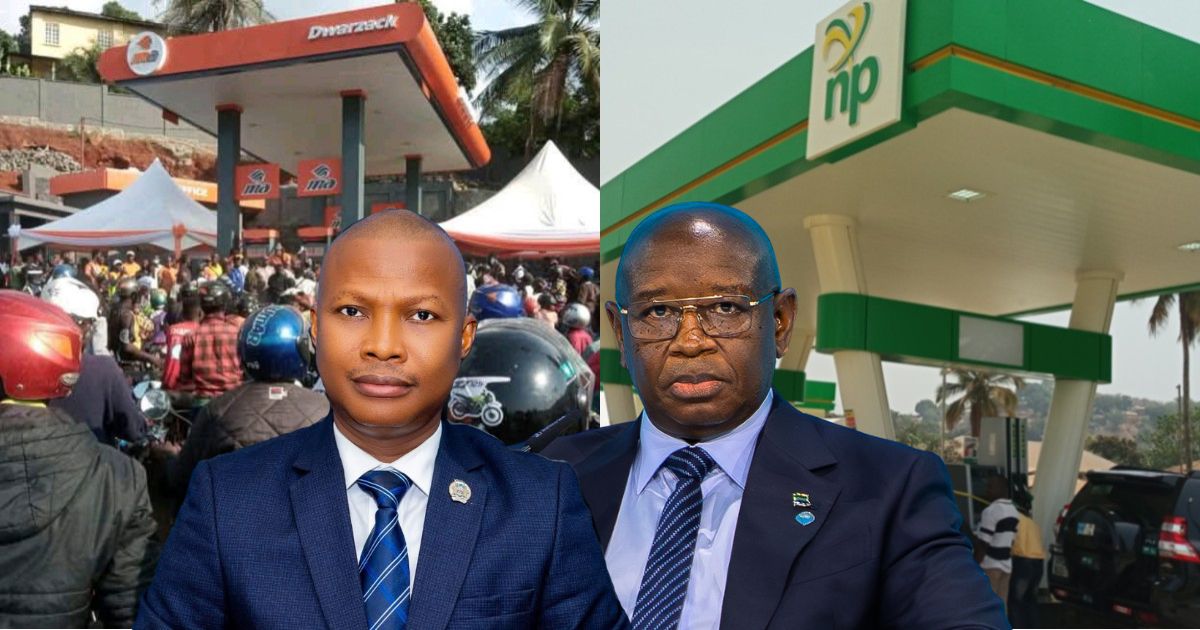
Anger is intensifying over fuel pricing in Sierra Leone as international oil prices fall sharply, with mounting public pressure accusing authorities of consistently passing on increases to consumers while delaying or avoiding reductions when global markets ease.
Brent crude has dropped to around $78 per barrel in recent days, a decline that has triggered price adjustments in some markets and renewed scrutiny of Sierra Leone’s pump pricing system, where fuel currently sells at about NLe35 per litre.
Opposition lawmaker Hon. Abdul Latiff Sesay of Port Loko District has called for an immediate reduction in fuel prices, urging the Government and the National Petroleum Regulatory Authority (NPRA) to review the pricing formula and ensure consumers benefit from the decline in global oil prices.

Civil society pressure has also escalated. Edmond Abu Jr., Executive Director of the Native Consortium and Research Centre, has issued a seven-day ultimatum to the Government and the PRA to reduce fuel prices or face nationwide protests.



The latest outcry reflects long-standing frustration among fuel consumers and transport operators over pricing trends in Sierra Leone. Opposition voices and civil society actors accuse authorities of repeatedly increasing pump prices in response to spikes in international oil markets, including during the most recent global surge, while failing to implement equivalent downward adjustments when prices decline.
Earlier increases in fuel prices were driven by a combination of rising global crude oil prices, exchange rate pressures, and higher import and logistics costs. At the time, Brent crude surged on the back of supply uncertainties and production adjustments by major oil-producing countries, while a weaker leone further increased landing costs for importers. These factors fed into Sierra Leone’s pricing formula, triggering upward adjustments at the pump.
However, with global oil prices now easing, attention has shifted to whether those reductions will be reflected locally or whether domestic prices will remain unchanged despite the decline in international markets.
That perceived imbalance, they argue, has deepened distrust in the pricing system and raised fresh questions over transparency in how pump prices are calculated and reviewed.
Government officials have previously defended the pricing structure, insisting that domestic fuel prices are influenced not only by crude oil prices but also by exchange rates, freight costs, taxes and the price of existing stock purchased at earlier rates.
Meanwhile, those explanations have done little to ease public frustration, as transport fares and the prices of basic goods remain high amid wider cost-of-living pressures.
Neither the Government nor the Petroleum Regulatory Authority had issued an official response to the latest demands as of Friday.
The pra and the government seems to be seekers of their self interest at the expense of the citizens, they seems heartless and insensitive to wailing of the suffering Masses, in February this year ,there was an unjustified and a heartless price hike on fuel in the guise of Taxes that the minister of finance and the government assured us all in December that the inclusion of the tax, will not affect us as citizens,but rather the oil marketers, but to the disgust of us as proverbial citizens, the tax burden was directly shifted to the consuming public, what a betrayal of trust by the PRA chairman, the finance ministry and the government by extension?.
Are these stakeholders insensitive of the fact that the surge in price of fuel had disadvantage families of frequently visiting their loved ones and has also exacerbated the living conditions of sierra Leoneans with the stagnated salaries amid the rising cost of indispensable elements of human survival and personal infrastructural developments?
This is really a painful ordeal to households in sierra Leone.