

VP Juldeh Jalloh Calls for Proportional Representation and Greater Political Inclusion
 Kanja Sesay
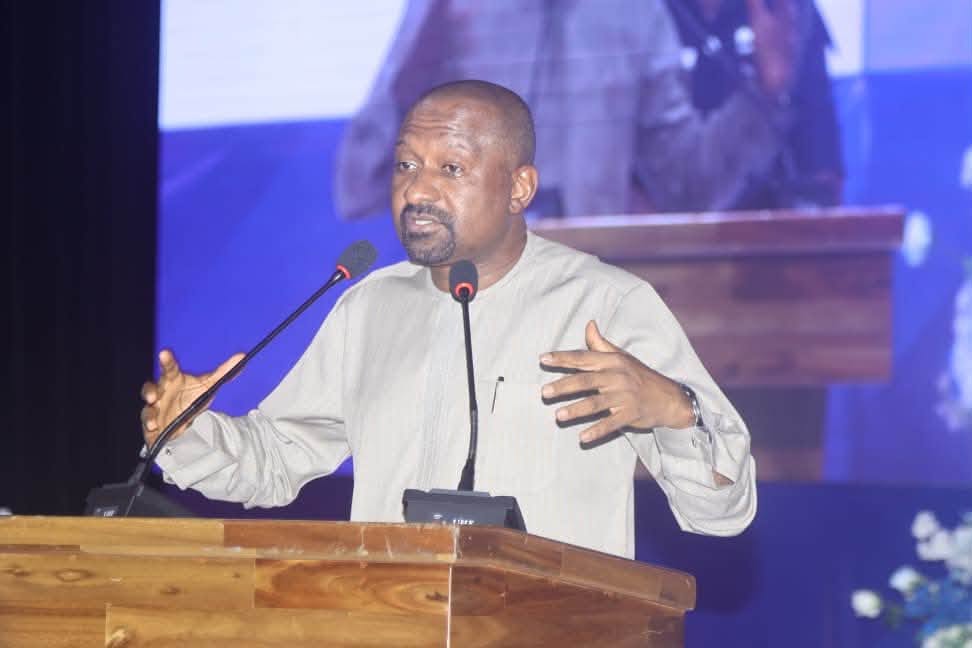
Sierra Leone’s Vice President, Dr Mohamed Juldeh Jalloh, has called for greater political inclusiveness, increased women’s participation in governance and stronger public support for Proportional Representation (PR), describing these measures as essential to strengthening national unity and addressing social injustice.
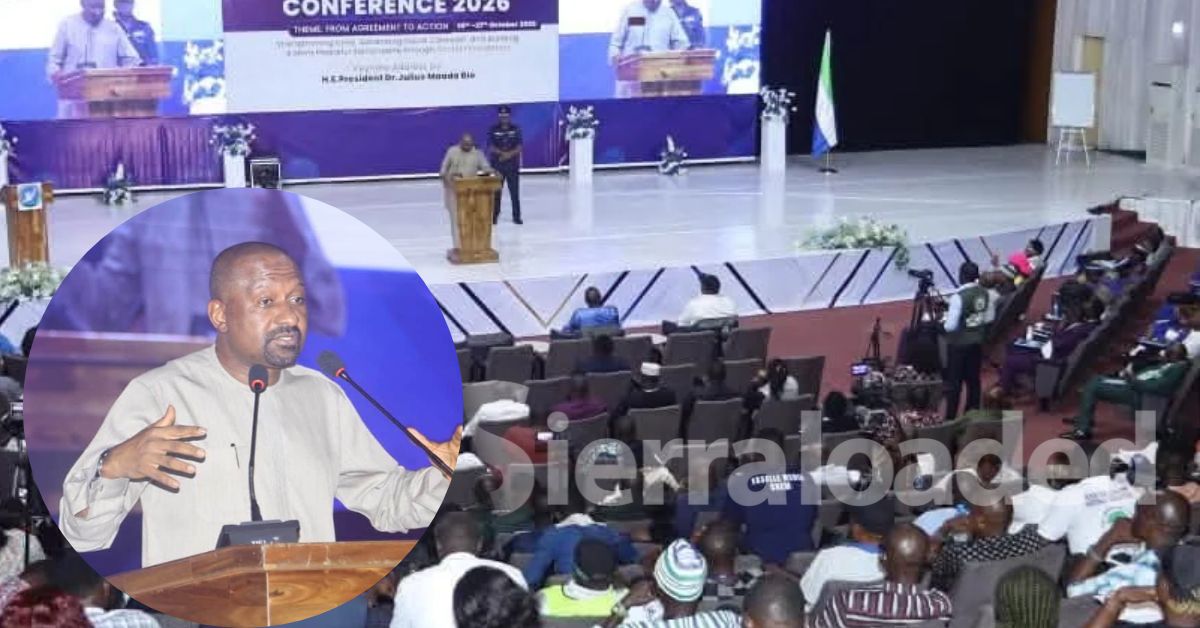
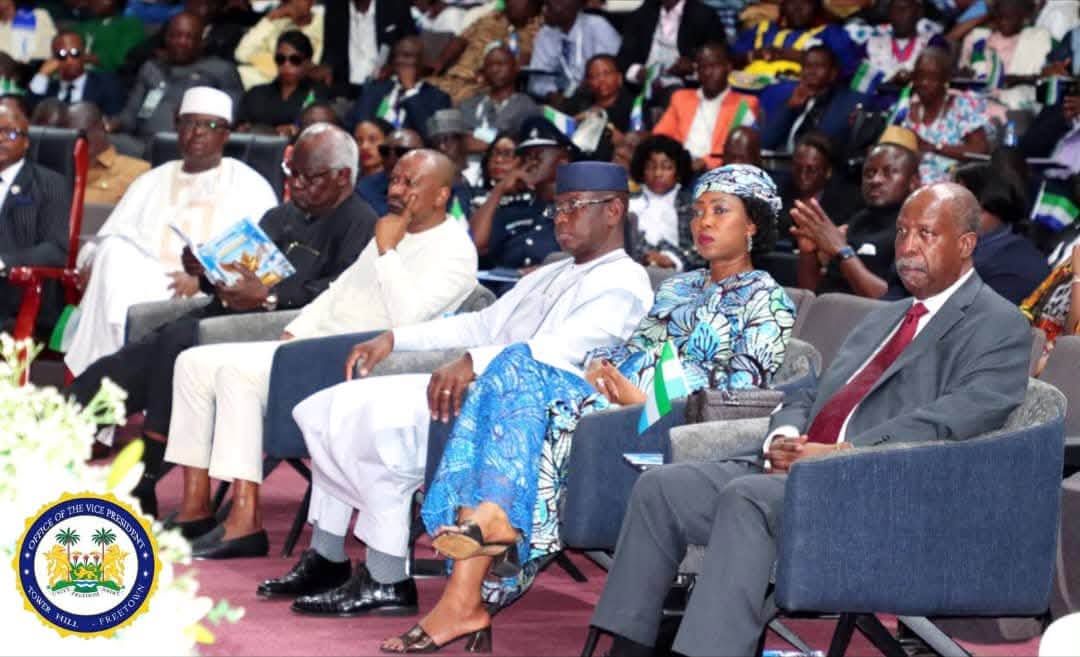
The Vice President appealed on Tuesday, October 27, 2026, during the closing session of the two-day National Unity and Social Cohesion Conference held at the Bintumani Conference Centre in Freetown.

Organised by the Independent Commission for Peace and National Cohesion (ICPNC), the conference brought together senior government officials, political leaders, representatives of international organisations, civil society groups and other stakeholders to discuss ways of strengthening reconciliation, democratic governance and peaceful coexistence.


Addressing participants, Juldeh Jalloh identified political exclusion and social injustice as major challenges that must be addressed to consolidate Sierra Leone’s peace and strengthen public confidence in national institutions.
“One critical pathway to building trust and cohesion is to progressively address the fears of exclusion and social injustice,” the Vice President stated.
He emphasised that sustainable peace requires a political environment in which citizens feel represented, respected and included in national decision-making, regardless of their political affiliations or social backgrounds.
A central focus of Juldeh Jalloh’s address was his call for Sierra Leoneans to support Proportional Representation (PR) as a means of broadening political participation.
The Vice President highlighted the potential of the electoral system to improve representation and create opportunities for groups that have historically faced barriers to political participation.
Proportional Representation is an electoral arrangement in which political parties or candidates receive seats based on their share of the vote, depending on the specific system adopted.
Supporters argue that PR can encourage broader representation and reduce the exclusion of smaller political groups.
However, its effectiveness depends on how the system is designed and implemented, including rules governing candidate selection, electoral thresholds and accountability.
Juldeh Jalloh’s remarks placed electoral reform within the wider national discussion about political fairness, democratic participation and institutional trust.
Drawing on his experience in governance, security, electoral systems and post-conflict reconstruction, the Vice President stressed that political inclusion remains an important foundation for lasting peace.
The Vice President also emphasised the importance of increasing women’s representation in political leadership and decision-making.
He argued that meaningful national development and social cohesion require broader opportunities for women to participate in governance.
His remarks highlighted the need to address barriers that limit women’s access to political positions and decision-making institutions.
Greater women’s representation, he suggested, would contribute to a more inclusive political system in which different sections of society have opportunities to influence national policies.
The Vice President linked this objective to his broader call for Proportional Representation, drawing attention to the potential for electoral arrangements to support more inclusive political participation.
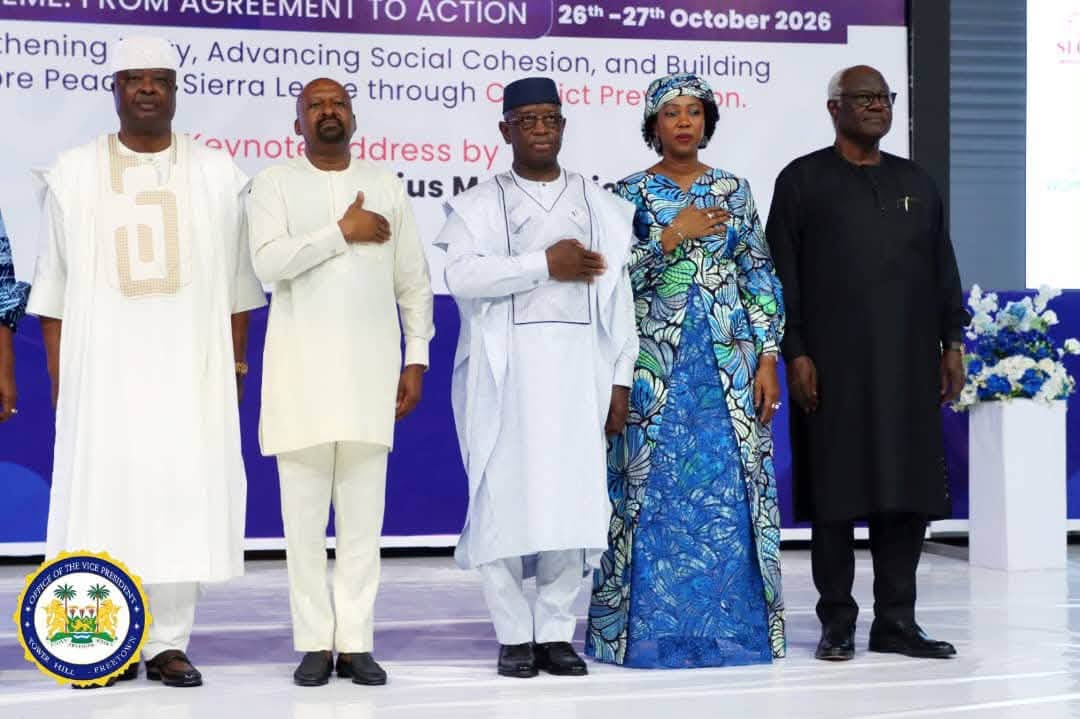
The conference opened on Monday, October 26, 2026, with the participation of President Dr Julius Maada Bio, Vice President Juldeh Jalloh and former President Dr Ernest Bai Koroma.
The gathering brought together national leaders and stakeholders to examine Sierra Leone’s peacebuilding journey and the implementation of the Agreement for National Unity.
During his opening address, President Bio called for renewed commitment to reconciliation, justice and collective responsibility.
“Peace must become part of our national culture,” President Bio declared.
He stressed that maintaining peace requires more than political agreements, noting that tolerance, mutual respect and reconciliation must guide the conduct of political leaders, public institutions and citizens.
The President encouraged Sierra Leoneans to prioritise national unity and work collectively to address longstanding divisions.
Former President Ernest Bai Koroma also addressed the conference, calling on political leaders to protect Sierra Leone’s peace by placing national interests above partisan considerations.
He emphasised the importance of dialogue, mutual respect and political maturity in resolving disagreements.
Koroma warned against allowing political differences to undermine national stability and encouraged political actors to pursue peaceful engagement.
His participation alongside President Bio and Vice President Juldeh Jalloh highlighted the importance of continued dialogue between government and opposition leaders.
The conference provided an opportunity for stakeholders from different political backgrounds to discuss shared responsibilities in maintaining peace and strengthening democratic institutions.
As the conference concluded on October 27, Vice President Juldeh Jalloh’s remarks brought renewed attention to the relationship between political representation, social justice and national stability.
His advocacy for Proportional Representation and increased women’s participation highlighted the government’s stated commitment to promoting more inclusive governance.
The Vice President maintained that addressing fears of exclusion and unequal participation is essential to strengthening public confidence in democratic institutions.
The conference concluded with calls for political goodwill, stronger accountability and practical measures to advance reconciliation.
Although participants expressed support for greater unity and institutional reform, the effectiveness of these commitments will depend on their implementation.
For Sierra Leone, the discussions at Bintumani underscored the continuing importance of political dialogue, fair representation and sustained efforts to address historical grievances.
The challenge now facing national stakeholders is to translate the conference’s commitments into practical measures that strengthen democratic participation, rebuild public trust and promote lasting peace.