

ICPNC Pledges Cabinet Paper on Reparations as War Wounded Press Their Case
 Ben Bassey
Sierra Leone’s amputees and war-wounded are testing whether a new peace commission can deliver what nearly two decades of government promises have not: a functioning reparations programme backed by law rather than donor whim.
The Independent Commission for Peace and National Cohesion (ICPNC) met the Amputee and War-Wounded Association on Tuesday, November 3, 2026, and emerged with a commitment to review the existing reparation framework—including beneficiary records and documentation—ahead of a Cabinet paper that could eventually reach Parliament.
The meeting lands on well-worn ground. Sierra Leone’s Truth and Reconciliation Commission recommended in 2004 that the state provide healthcare, education, housing, and financial support to war victims, describing reparations as a “moral and legal obligation”. What followed was a fragmented programme administered by the National Commission for Social Action (NaCSA) that reached roughly a third of registered victims, delivered one-off payments of about US$100, and then stalled as donor funding dried up.

Association leaders have consistently argued that the TRC’s core promises—free university education, free medical care, and livelihood programmes—remain largely unmet. In January 2026, ahead of the country’s first National Remembrance Day, the association told Information Minister Chernor Bah that “reparations—another key TRC recommendation—remain largely unaddressed”.

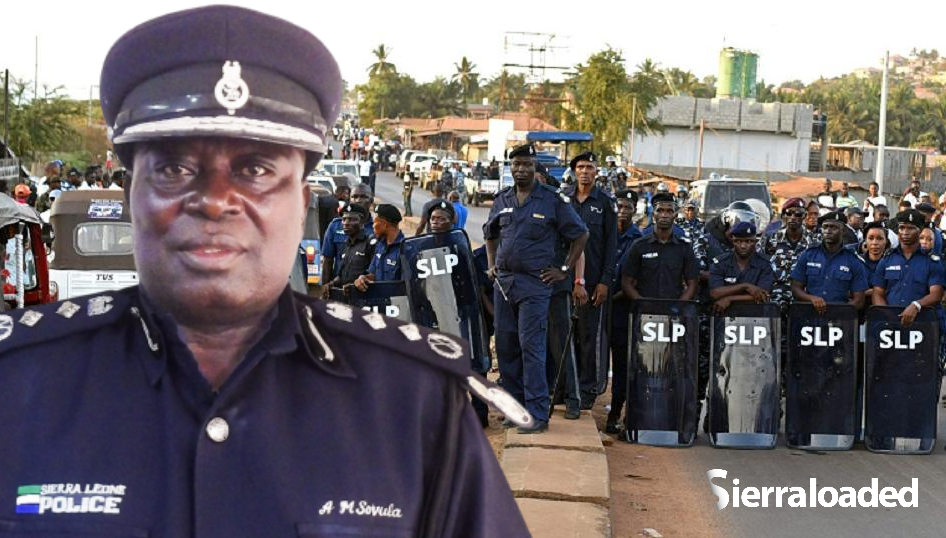
ICPNC Executive Secretary Hawa Sally Samai told the delegation that President Julius Maada Bio had directed the commission to work with NaCSA to review the existing framework, and that preparations were underway for a Cabinet paper that could eventually receive parliamentary backing. She pledged to share the reviewed TRC recommendations with the association for validation and to include war-wounded persons in National Remembrance Day activities.
The association’s demands at the meeting were specific: a full review and implementation of TRC recommendations on reparations, healthcare, education, and transportation; revival of the proposed Trust Fund for war victims; reconsideration of the US$100 package; and greater representation in national peacebuilding initiatives.
The TRC originally called for a Special Fund for War Victims, financed through government allocations, donor contributions, and a tax on mineral resources. That fund was never operationalised. A parallel effort—the Amputee Welfare and Reintegration Trust—collapsed in the early 2000s amid board silence and institutional neglect.
Civil society groups have since filled the gap with piecemeal charity. Melqosh Mission International and Wolf 2 Wolfe International Ministry conducted a medical screening for 155 survivors in January 2026, distributing rice and using portable diagnostic machines to assess organ health. Pastor Faith Okrafo-Smart, who founded Melqosh, said at the time that over 70 per cent of war victims had died without receiving reparations.
Whether the ICPNC’s review produces legislation—or another round of consultations—will determine if the 2026 push differs from previous cycles. The commission’s mandate is advisory, and the Cabinet paper it prepares will face the same fiscal and political constraints that have stalled reparations for twenty years.
For survivors, the distinction between symbolic recognition and material repair is not abstract. As one amputee told researchers in a 2025 assessment, “We’ve received help only twice. Since then, nothing. Are they waiting for all of us to die?”