
MAFS Convenes 7th ISAVET Steering Committee Meeting Ahead of Cohort II Graduation
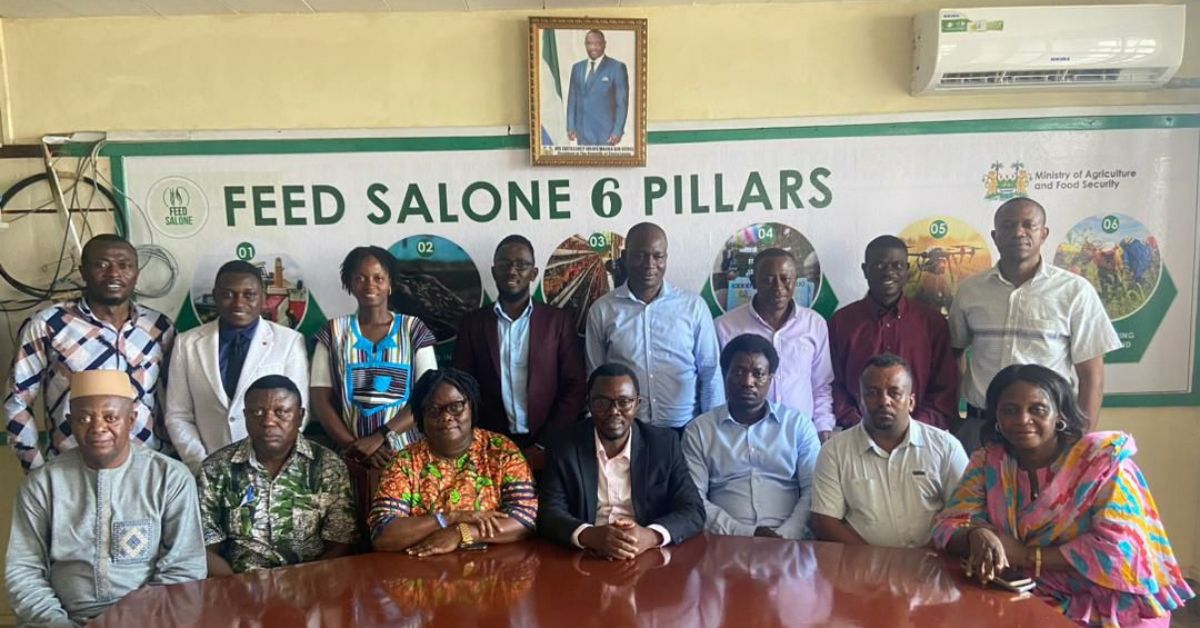
The Ministry of Agriculture and Food Security (MAFS), through its Livestock and Veterinary Services Division, convened the 7th In-Service Applied Veterinary Epidemiology Training (ISAVET) Steering Committee Meeting on Monday at the MAFS Conference Hall, Youyi Building.
The meeting focused on reviewing preparations for the graduation of ISAVET Cohort II and finalizing plans for the rollout of Cohort III.
The Steering Committee brought together senior MAFS officials and representatives from key partner organizations, including the Food and Agriculture Organization (FAO), the Centers for Disease Control and Prevention (CDC), the National Public Health Agency (NPHA) under the Ministry of Health, the World Health Organization (WHO), and academic institutions such as the University of Makeni (UNIMAK), Njala University, and Milton Margai Technical University (MMTU).

Delivering the opening remarks, Mr. Saidu Bamayange, Director of the Livestock and Veterinary Services Division at MAFS, provided an overview of ISAVET’s impact on Sierra Leone’s animal health sector. He encouraged frank and constructive feedback on programme implementation and the use of available funding.



A key focus of the meeting was the World Bank Pandemic Fund, which Mr. Bamayange described as a critical resource for accelerating cohort graduations and supporting the successful launch of ISAVET Cohort III. He called on committee members to offer open criticism and practical recommendations on how the funds can be utilized to maximize impact and ensure sustainability.
Discussions also centered on a strategic roadmap and action points aimed at ensuring Cohort III benefits from lessons learned in previous cohorts, as well as from the strong collaboration between government, international partners, and academic institutions.
In his closing remarks, Mr. Bamayange commended the University of Makeni for its high level of participation and the noticeable improvements demonstrated by MAFS trainees.
The meeting underscores Sierra Leone’s continued efforts to strengthen veterinary public health capacity and enhance preparedness for zoonotic and animal health threats through targeted, partner-supported training programmes. With support from the Pandemic Fund, the expansion of ISAVET is expected to consolidate recent gains and scale up practical epidemiology skills across the country’s animal health workforce.