
Opposition MPs Seek Direct Engagement With President Bio as Governance Boycott Persists
 Osman Tolo Sesay
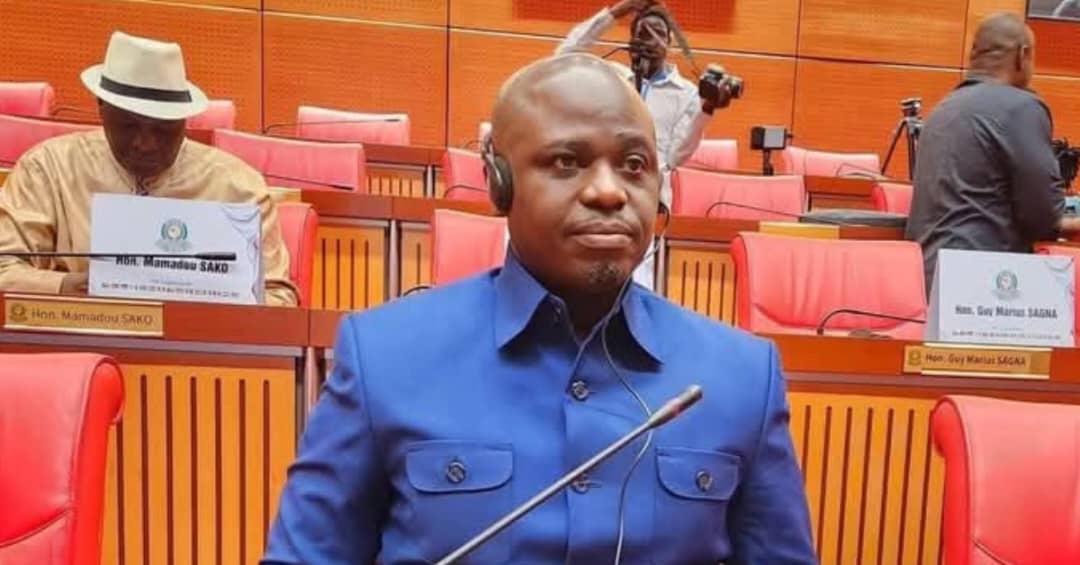
 A political standoff in Sierra Leone’s Parliament continues to draw national attention, as opposition lawmakers push for direct dialogue with President Julius Maada Bio while maintaining their boycott of parliamentary sittings.
Efforts to resolve the impasse intensified on April 10, 2026, when Speaker of Parliament Segepoh Solomon Thomas convened a second high-level meeting with members of the opposition.
The meeting formed part of ongoing attempts to restore full legislative participation and address concerns that have kept opposition MPs away from Parliament.

Speaker Thomas emphasized the urgency of the situation, noting that several important national matters and pending bills require parliamentary attention.

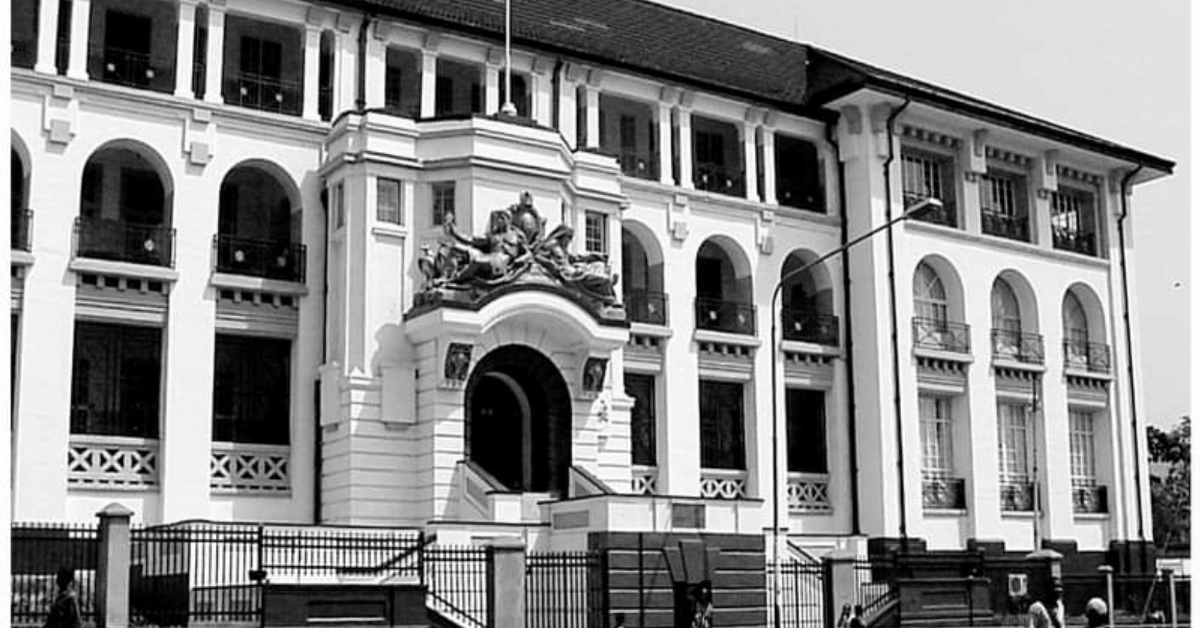
He appealed to opposition members, particularly those from the All People’s Congress (APC), to return to their legislative duties, stressing that Parliament remains the primary platform for democratic engagement, accountability, and lawmaking.
He further underscored that the absence of opposition lawmakers weakens democratic processes by limiting debate and reducing the diversity of perspectives necessary for effective governance.
According to the Speaker, Parliament itself offers sufficient constitutional space for grievances to be raised and addressed.
While reaffirming his commitment to mediating the dispute, Speaker Thomas disclosed plans to engage President Bio with the aim of facilitating a possible direct meeting between the Executive and opposition leadership. He described dialogue as essential to resolving political disagreements and maintaining national stability.
In response, the opposition leadership acknowledged the Speaker’s efforts, describing them as constructive and reflective of responsible leadership. However, they expressed concern over what they characterized as a lack of broader engagement from other state actors since the initial round of discussions.
The opposition reiterated its position that direct talks with President Bio are necessary to rebuild trust and address underlying issues contributing to the boycott. Central among these concerns are questions surrounding electoral credibility and public confidence in future elections.
Particularly, the opposition referenced the role of Electoral Commission leadership, including the appointment of Edmond Sylvester Alpha. While acknowledging the constitutional basis of such appointments, they argued that broader public trust and inclusivity are critical to ensuring credible electoral processes, especially ahead of the 2028 elections.
Opposition representatives maintained that their boycott is not intended to obstruct governance but rather to prompt meaningful dialogue and secure assurances that strengthen democratic legitimacy.