FCC and Partners Launch Community-Led Strategy to Tackle Air Pollution
 Sahid Bangura
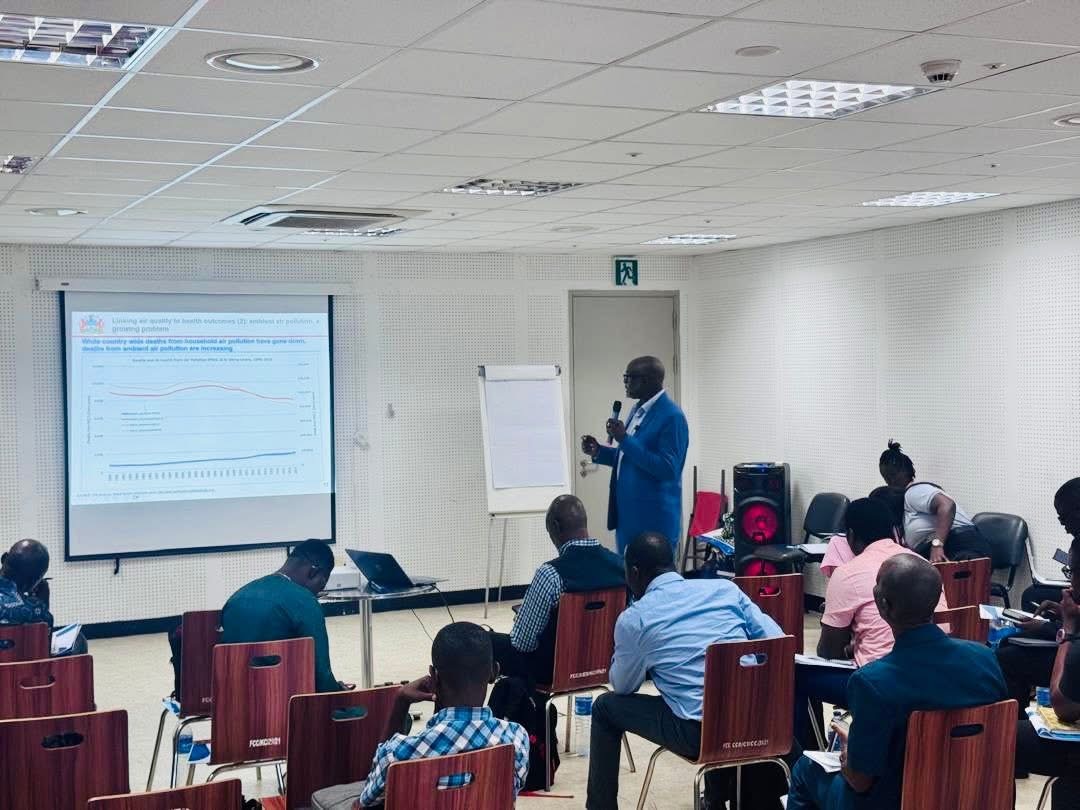
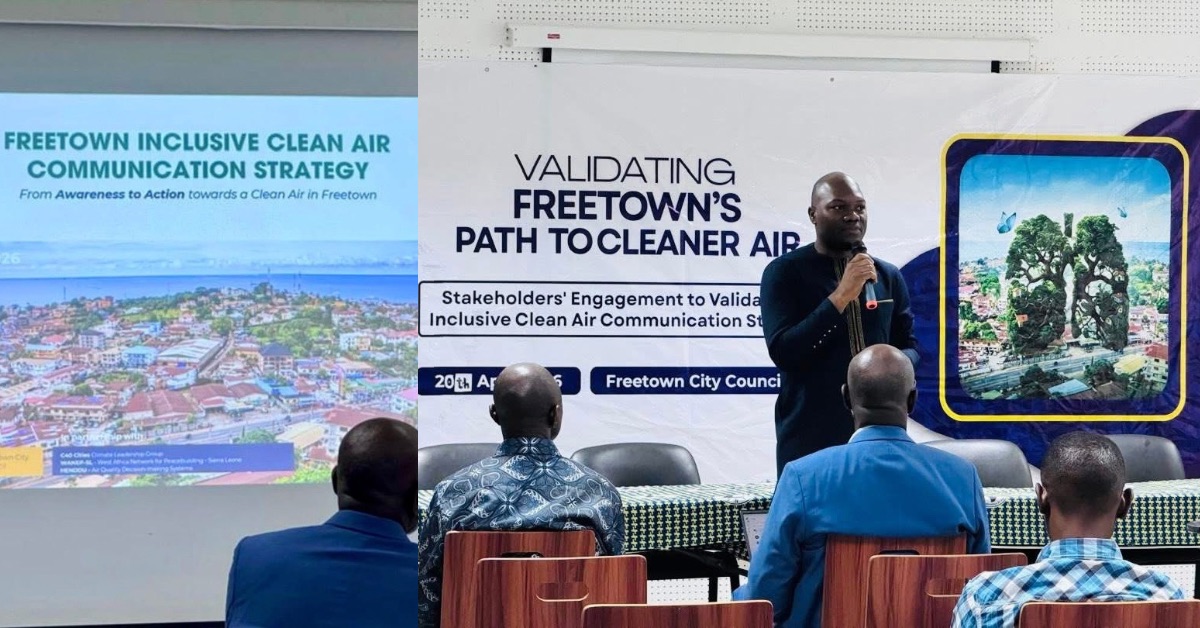
 The Freetown City Council (FCC), on 20 April, in collaboration with the West Africa Network for Peacebuilding (WANEP) and the Health and Environment Sustainable Development Union (HENDDU), convened a multi-stakeholder workshop to validate its new Inclusive Clean Air Communication Strategy.
The event brought together government ministries, departments and agencies (MDAs), as well as climate-focused organizations, to promote coordinated and evidence-based action on air quality.
According to FCC, the workshop marks a shift from traditional top-down communication approaches toward a more inclusive, community-driven model.

The council emphasized that insights gathered from interviews and focus group discussions will now guide public messaging, aiming to drive meaningful behavior change and reduce air pollution across the city.

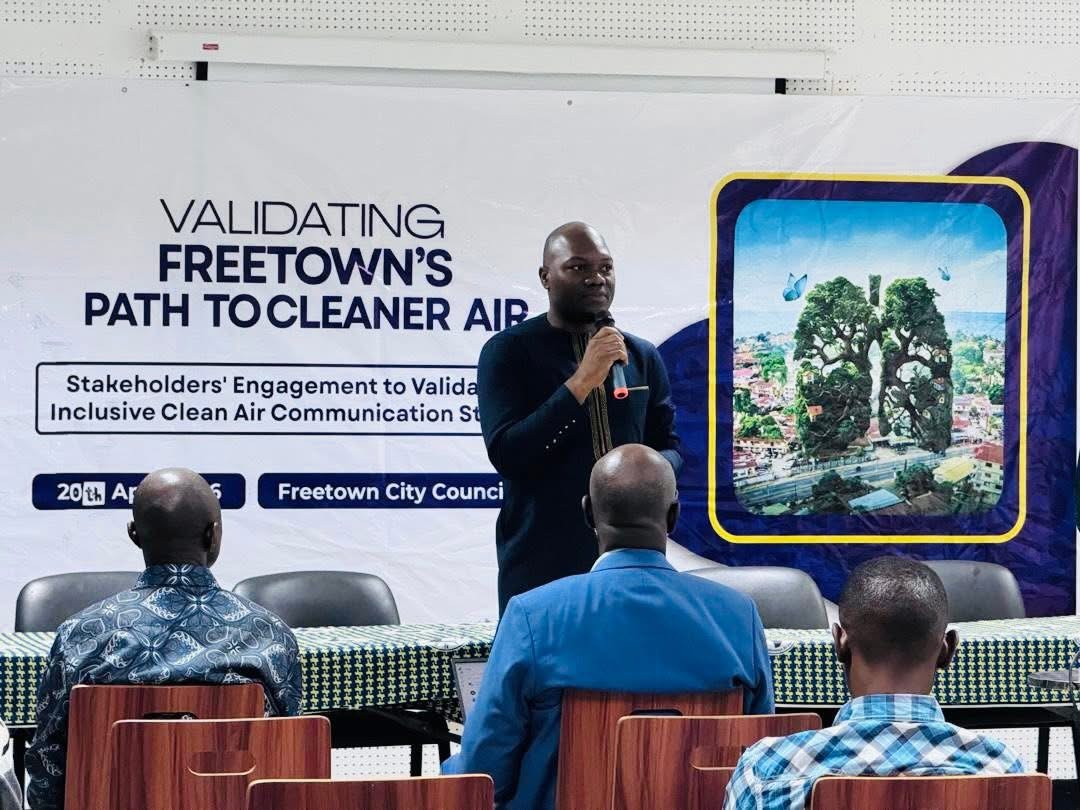
“Air pollution continues to rise, and tackling it requires strategies that involve communities directly,” an FCC spokesperson said. “By listening to residents and incorporating their perspectives, we can implement more effective interventions and improve public health outcomes.”
C40 Cities, a global network of cities committed to addressing climate change, is supporting Freetown in this initiative. The organization is assisting the council in strengthening local action on air quality and unlocking community-driven solutions to reduce pollution.
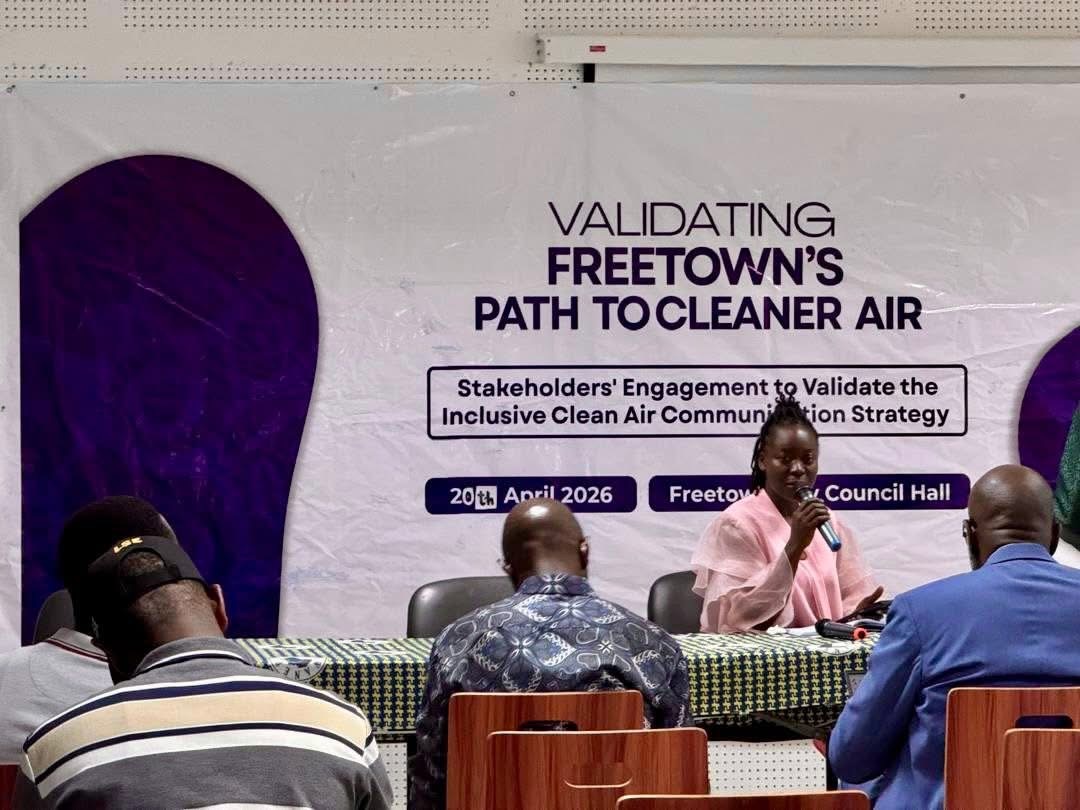
The Inclusive Clean Air Communication Strategy, as outlined by FCC and its partners, prioritizes evidence-based communication, community engagement, and collaboration with multiple stakeholders. The council stressed that these steps are critical to fostering cleaner air and healthier living conditions for all residents.
The workshop reflects a growing recognition among local authorities and partners that sustainable improvements in air quality require both government leadership and active participation from communities across Freetown.