

Media Expert Calls for Adoption of “New Social Contract” for Journalism in Sierra Leone
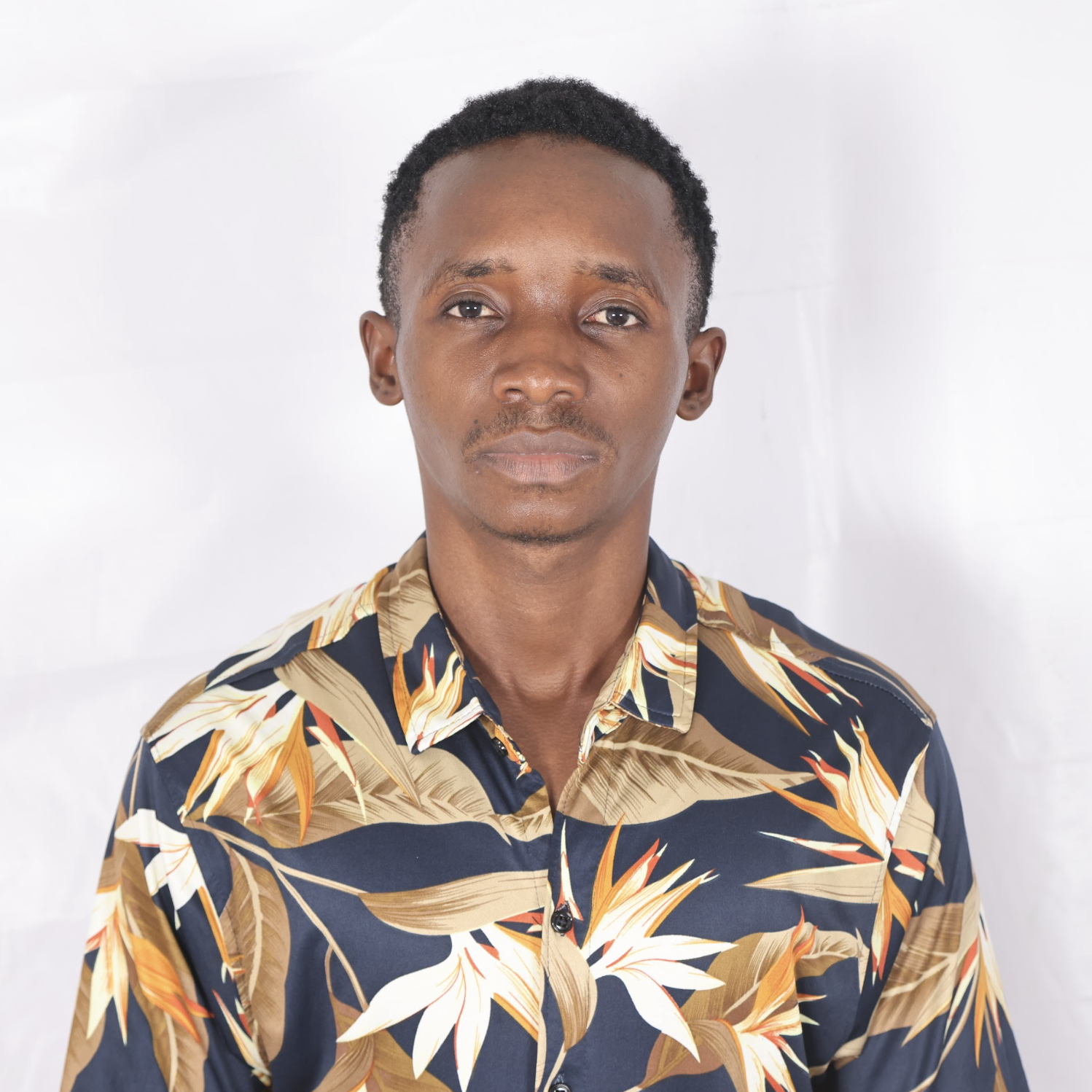 Osman Tolo Sesay
 As Sierra Leone joined the global community to mark World Press Freedom Day 2026, a leading media scholar has called for urgent reforms to safeguard the future of journalism in the country.
Dr. Tonya Musa, a communications expert and academic at University of Sierra Leone, has urged the adoption of a “new social contract” for journalism one that ensures protection, sustainability, and independence for the press.
His remarks come against the backdrop of a notable decline in Sierra Leone’s standing on the Reporters Without Borders 2026 World Press Freedom Index. The country dropped 23 places, moving from 56th to 79th globally.

The safety indicator showed an even sharper fall, from 71st to 112th, highlighting increasing threats to journalists, particularly during politically sensitive periods.
Dr. Musa pointed to these figures as evidence of mounting pressures on the media landscape, despite earlier progress. He referenced the repeal of the Public Order Act 1965 as a significant milestone that had initially improved press freedom.
However, he warned that newer legislative developments, including the Counter-Terrorism Bill 2025 and provisions within the Cyber Security Act, have raised concerns among journalists and editors about potential misuse. Reports of media practitioners being summoned under charges such as cyberstalking have intensified fears of a shrinking civic space.
Beyond legal challenges, Dr. Musa highlighted the economic fragility of media institutions as a major concern. Many outlets in Sierra Leone operate under severe financial constraints, making them vulnerable to political and commercial influence. According to him, this dependence risks undermining editorial independence and blurring the line between objective reporting and survival-driven compromises.
He also addressed the dual impact of digital transformation. While technological advancements have expanded access to information and broadened public engagement, they have also enabled the rapid spread of disinformation and increased surveillance risks. The Sierra Leone Association of Journalists has similarly warned that political actors are exploiting online platforms to disseminate false information and heighten tensions, complicating the media’s role in fostering informed public discourse.
Dr. Musa argued that strengthening journalism in Sierra Leone will require a multifaceted approach. This includes investing in media literacy at the community level, enhancing legal protections for journalists, and developing sustainable revenue models to support independent media operations.
He raised critical questions about the disconnect between relatively strong legal frameworks and weaker overall performance in press freedom rankings, as well as the broader challenge of balancing content moderation with the risk of censorship.
President Julius Maada Bio has acknowledged the importance of a free press, describing it as a cornerstone of democracy and a driver of transparency and accountability. However, Dr. Musa emphasized that translating such commitments into tangible outcomes requires deliberate and sustained action.
He further underscored the importance of ethics in journalism, noting that ambiguous or loosely defined laws can create grey areas that demand strong professional judgment. Without clear ethical standards, he warned, economic pressures could compromise the watchdog role of the media.
Dr. Musa concluded that Sierra Leone stands at a critical juncture. The direction of its media sector, he said, will depend on whether stakeholders can come together to establish a renewed framework that protects journalists, ensures financial viability for media institutions, empowers citizens with accurate information, and upholds the principles of truth and accountability.