Post a comment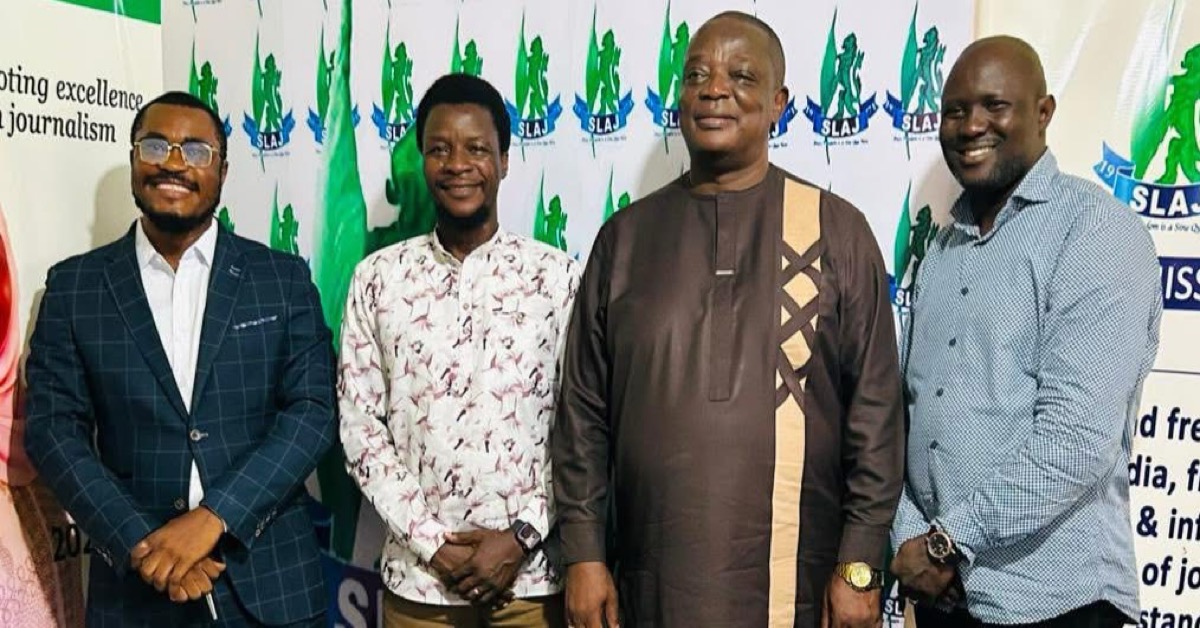
The Electoral Commission for Sierra Leone (Electoral Commission for Sierra Leone) has intensified its stakeholder engagement drive ahead of the 2028 general elections, with Chief Electoral Commissioner Mr. Edmond Sylvester Alpha calling for a stronger and more structured partnership with the media.
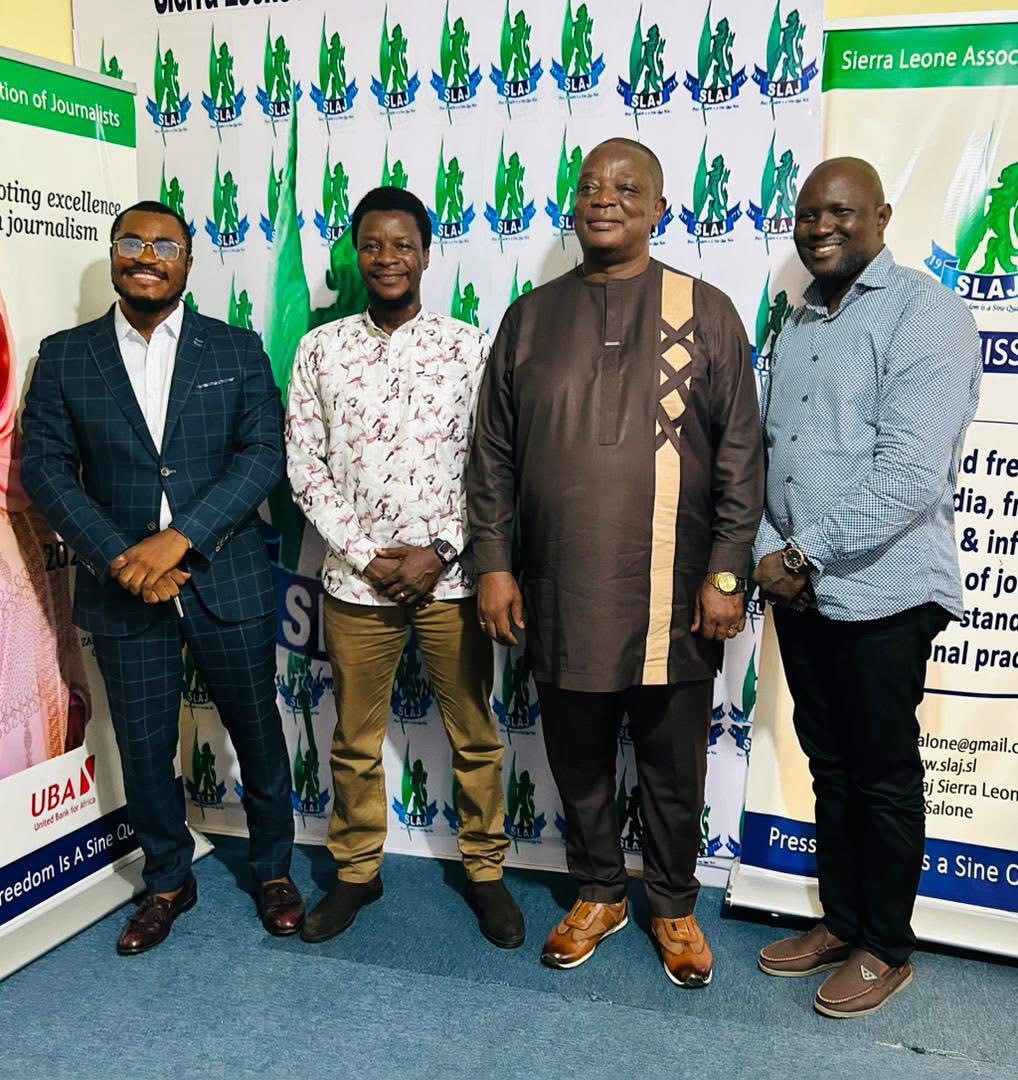
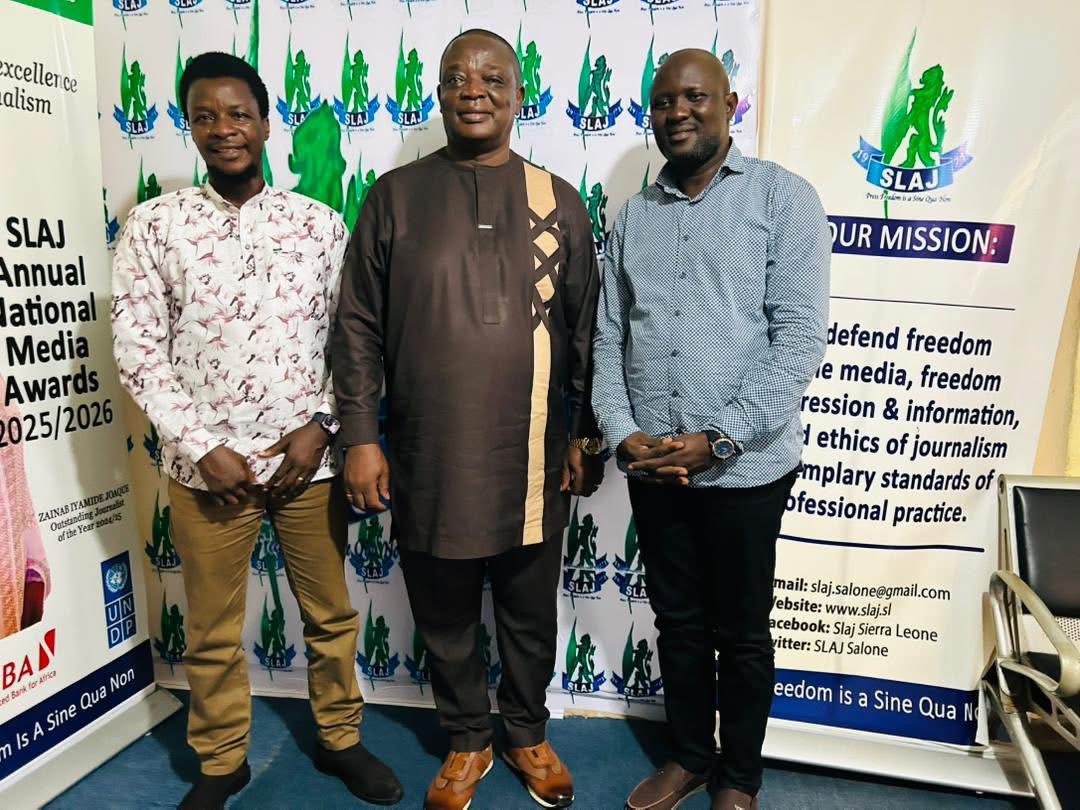
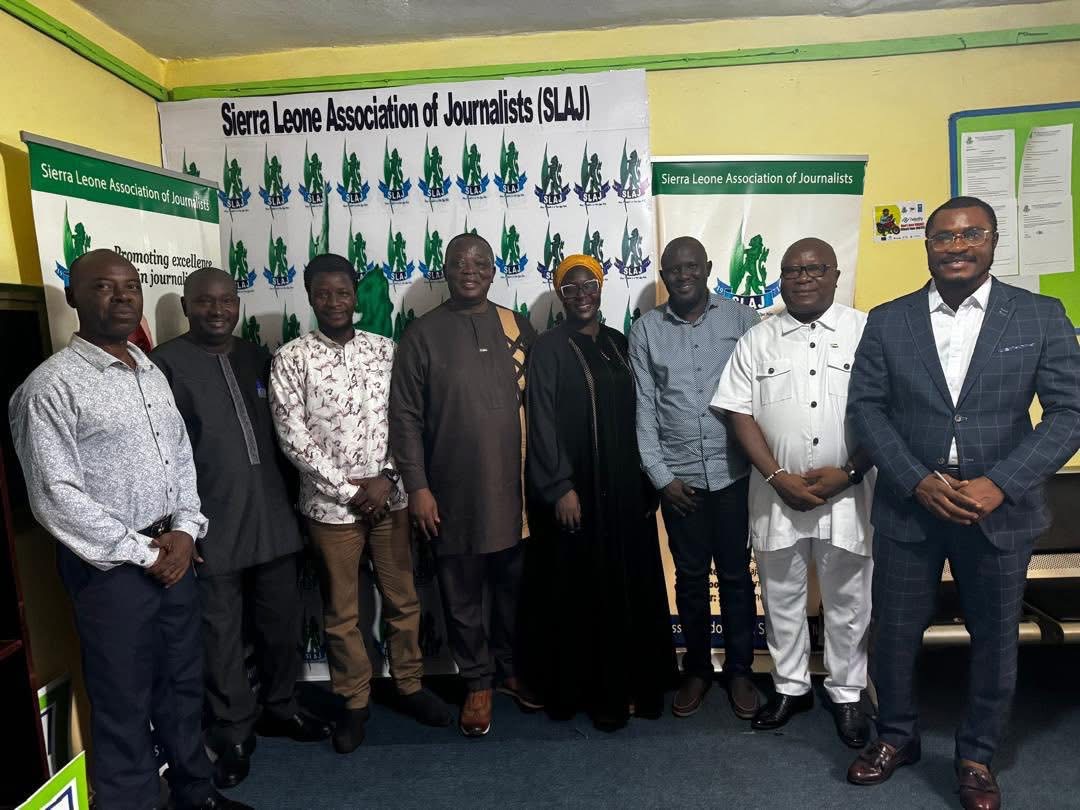
Mr. Alpha made the remarks on Wednesday, 20 May 2026, during a courtesy visit to the Sierra Leone Association of Journalists (Sierra Leone Association of Journalists) at its Campbell Street headquarters in Freetown.
Describing the meeting as a strategic step toward safeguarding electoral integrity, Mr. Alpha said the evolving information landscape has made the media a central pillar in protecting democracy, especially in an era increasingly shaped by digital communication and online narratives.

He stressed that while Sierra Leone’s elections are no longer defined by violent conflict, they are now heavily influenced by the spread of misinformation and unverified content across social media platforms, warning that this trend poses a serious challenge to public trust in democratic processes.
According to him, journalists remain key actors in ensuring credibility, describing them as essential partners in verifying facts, countering misinformation, and ensuring that the public receives accurate electoral information.
Mr. Alpha further noted that anonymous online publishers and bloggers, operating outside traditional editorial frameworks, have become increasingly influential in shaping political discourse, often without accountability or adherence to professional standards.
He said lessons from previous elections have shown that false or misleading information can undermine confidence in electoral outcomes and disrupt months of preparation by electoral authorities.
As part of preparations for the 2028 polls, the ECSL Chief outlined proposals aimed at strengthening cooperation with SLAJ, including enhanced real-time information sharing to support fact-checking, improved professional standards for election reporting across digital platforms, and a structured framework for engaging responsible online content creators.
He emphasized that the Commission’s objective is to build and sustain public trust in the electoral process, noting that this goal cannot be achieved without active collaboration with the media.
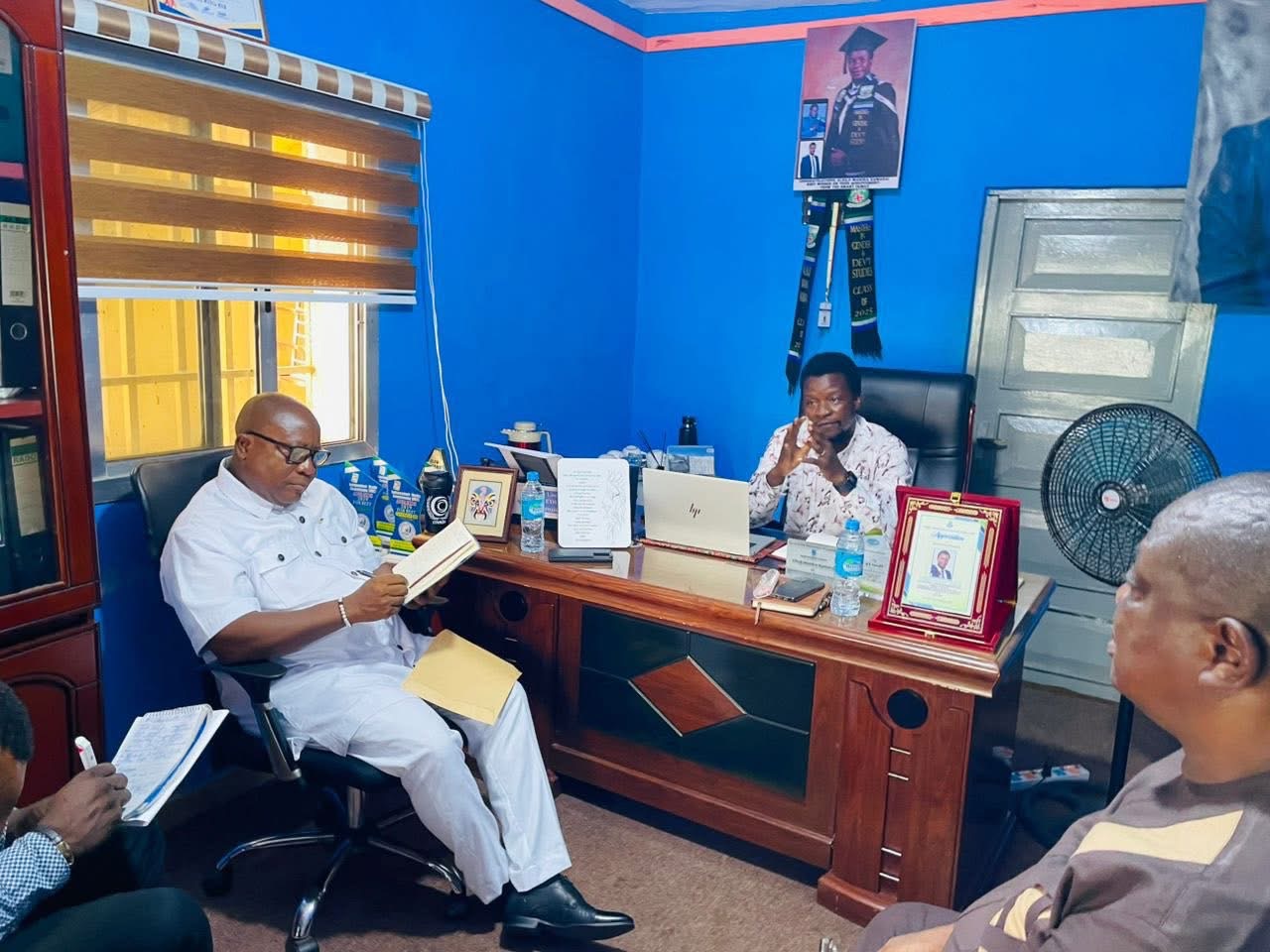
Responding, SLAJ President Alhaji Manika Kamara welcomed the engagement, describing it as a timely initiative that reinforces the longstanding relationship between both institutions in supporting democratic governance.
He reaffirmed SLAJ’s commitment to professional and non-partisan journalism, stressing that the association remains focused on promoting credible reporting that strengthens electoral transparency and public confidence.
Mr. Kamara acknowledged the challenges posed by political affiliations among some journalists but emphasized that SLAJ’s institutional mandate remains strictly neutral and rooted in public interest.
He also highlighted ongoing capacity-building efforts aimed at improving journalistic standards, including training programmes designed to enhance digital reporting and combat misinformation.
On regulatory issues surrounding online media, he noted continued collaboration with relevant stakeholders to develop balanced frameworks that ensure accountability while protecting freedom of expression.
The meeting brought together senior officials from both institutions and reinforced growing momentum toward a formal partnership expected to shape media–electoral relations ahead of the 2028 elections.