

Sierra Leone Joins Global Tech Leaders in London to Boost AI Integration in Education
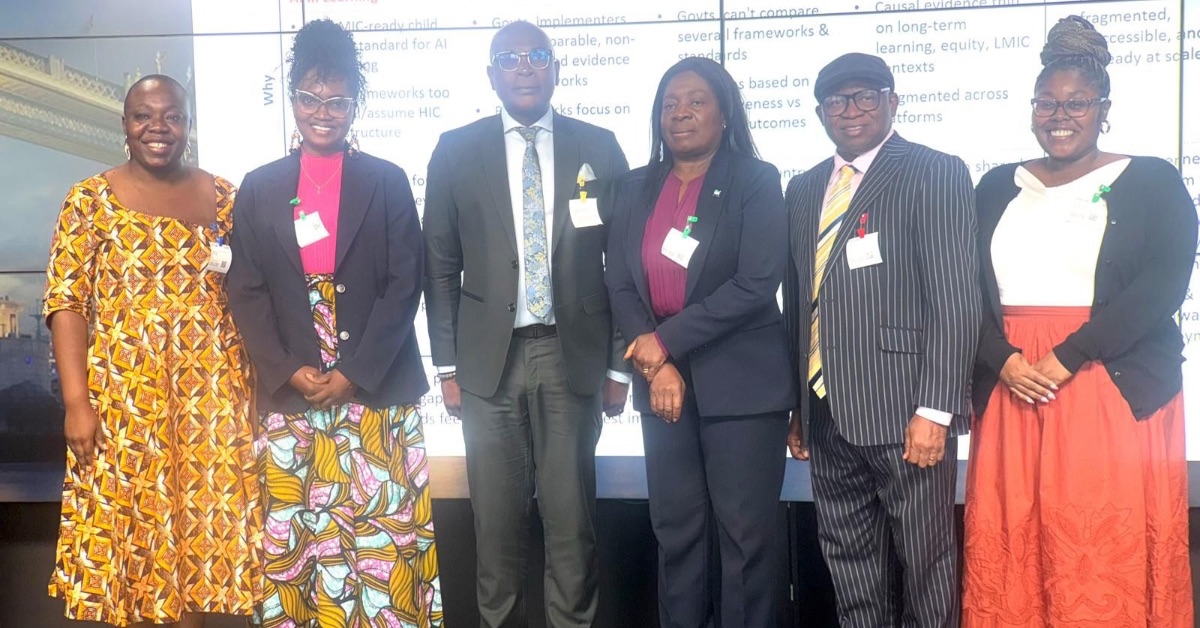
Sierra Leone has joined global discussions on the use of Artificial Intelligence (AI) in education, as senior government officials participated in a high-level international briefing hosted at Google’s London headquarters on Wednesday, 20 May 2026.
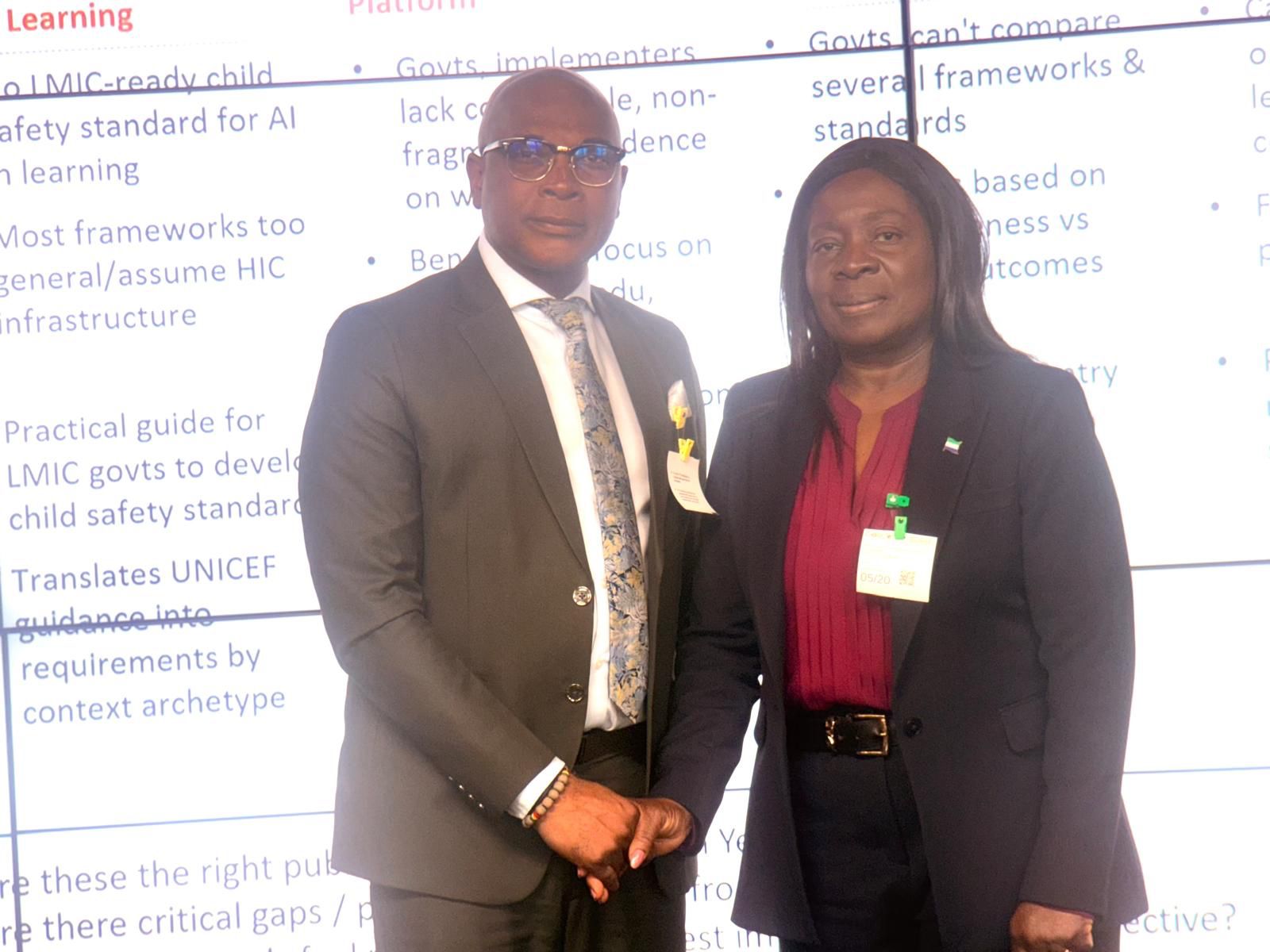
The Deputy High Commissioner of Sierra Leone to the United Kingdom, Yvonne King Odigboh, joined the country’s Minister of Basic and Senior Secondary Education, Conrad O. Sackey, at the breakfast briefing focused on the integration of AI into education systems to improve learning outcomes.
The event, convened under the Global Alliance for AI in Education and the Quality Assurance Facility for AI in Education, brought together education policymakers, researchers, development partners, and technology innovators from different countries to discuss responsible and evidence-based use of AI in classrooms.


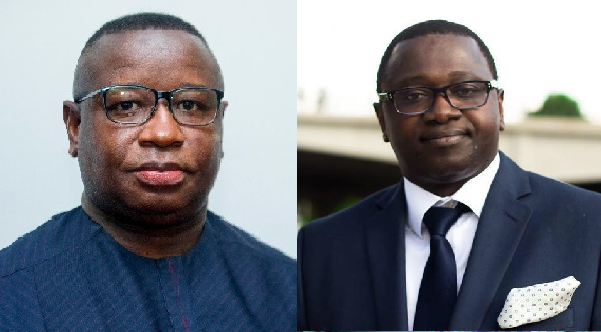
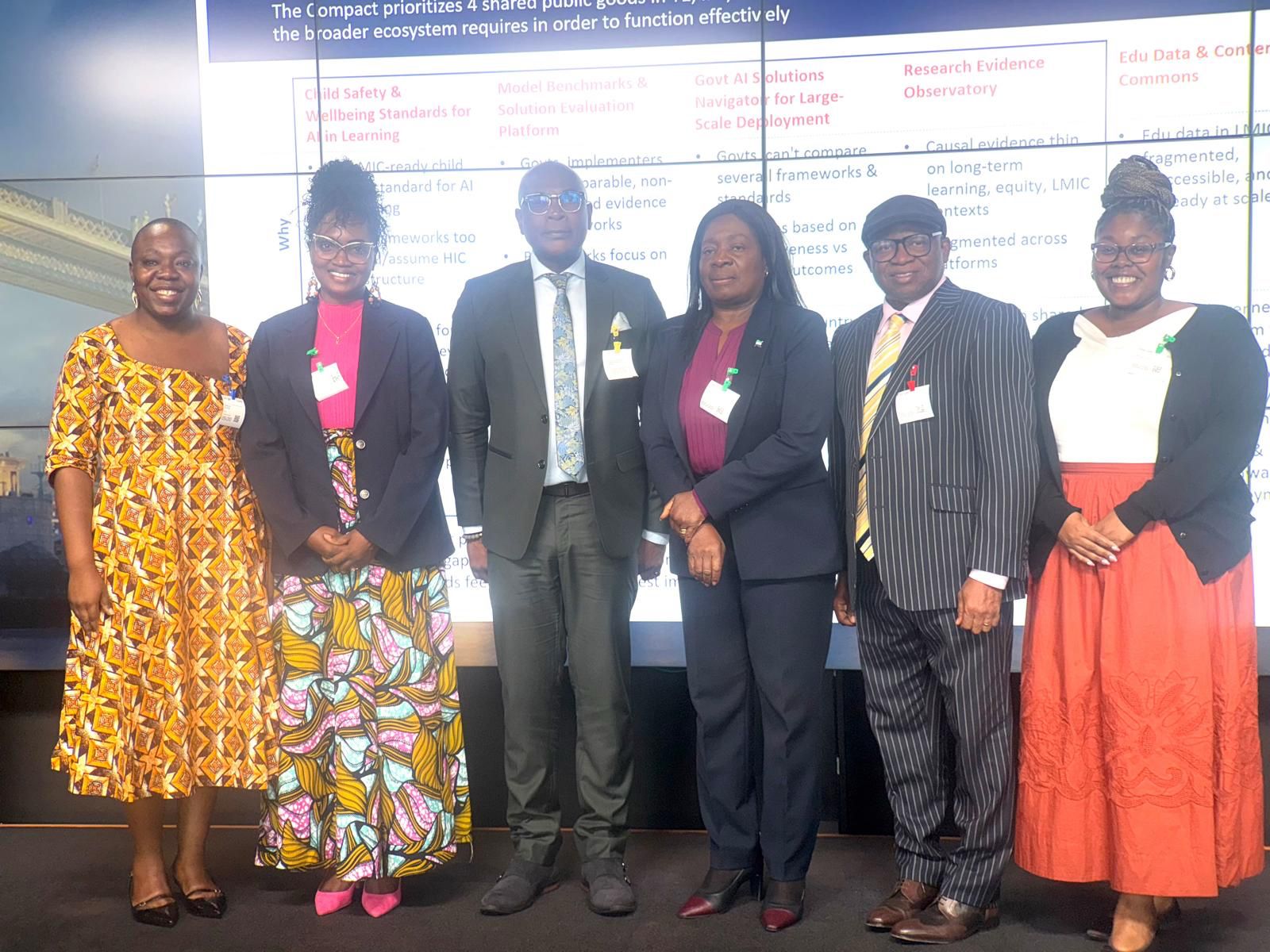
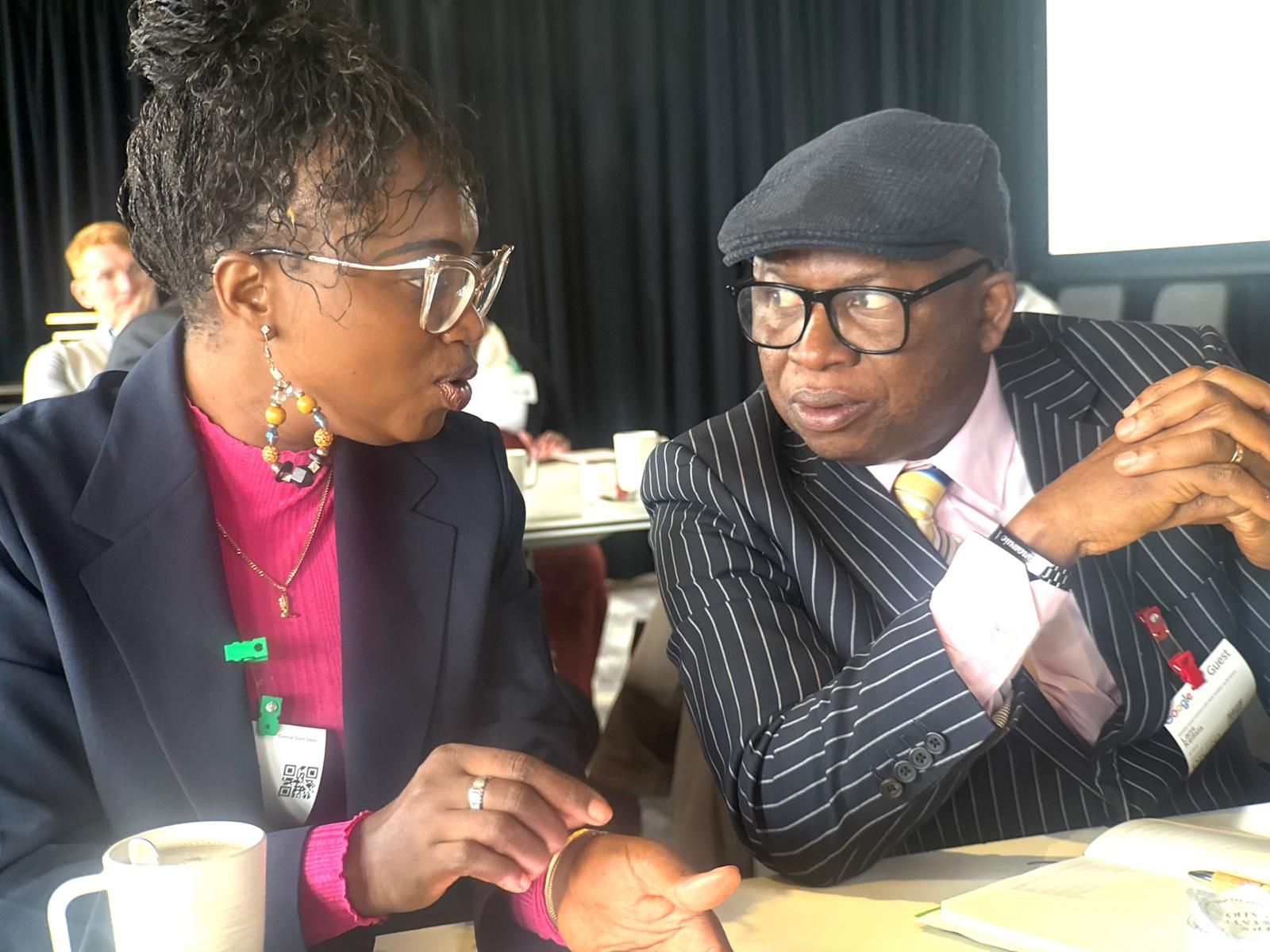
Also representing Sierra Leone at the session were Lans Kelfala, Chairman of the Teaching Service Commission, and Josephine Saidu, Chief Executive Officer of Teach For Sierra Leone, an organisation supporting teacher recruitment and training in collaboration with government education programmes.
A key highlight of the briefing was the introduction of a collaborative study involving the Government of Sierra Leone, Google DeepMind, and Fab AI. The study is aimed at exploring how AI can improve mathematics learning outcomes in Sierra Leonean schools.
According to discussions at the event, the initiative forms part of a broader international effort to ensure that emerging AI technologies are evidence-based, locally relevant, and accessible to learners in developing countries.
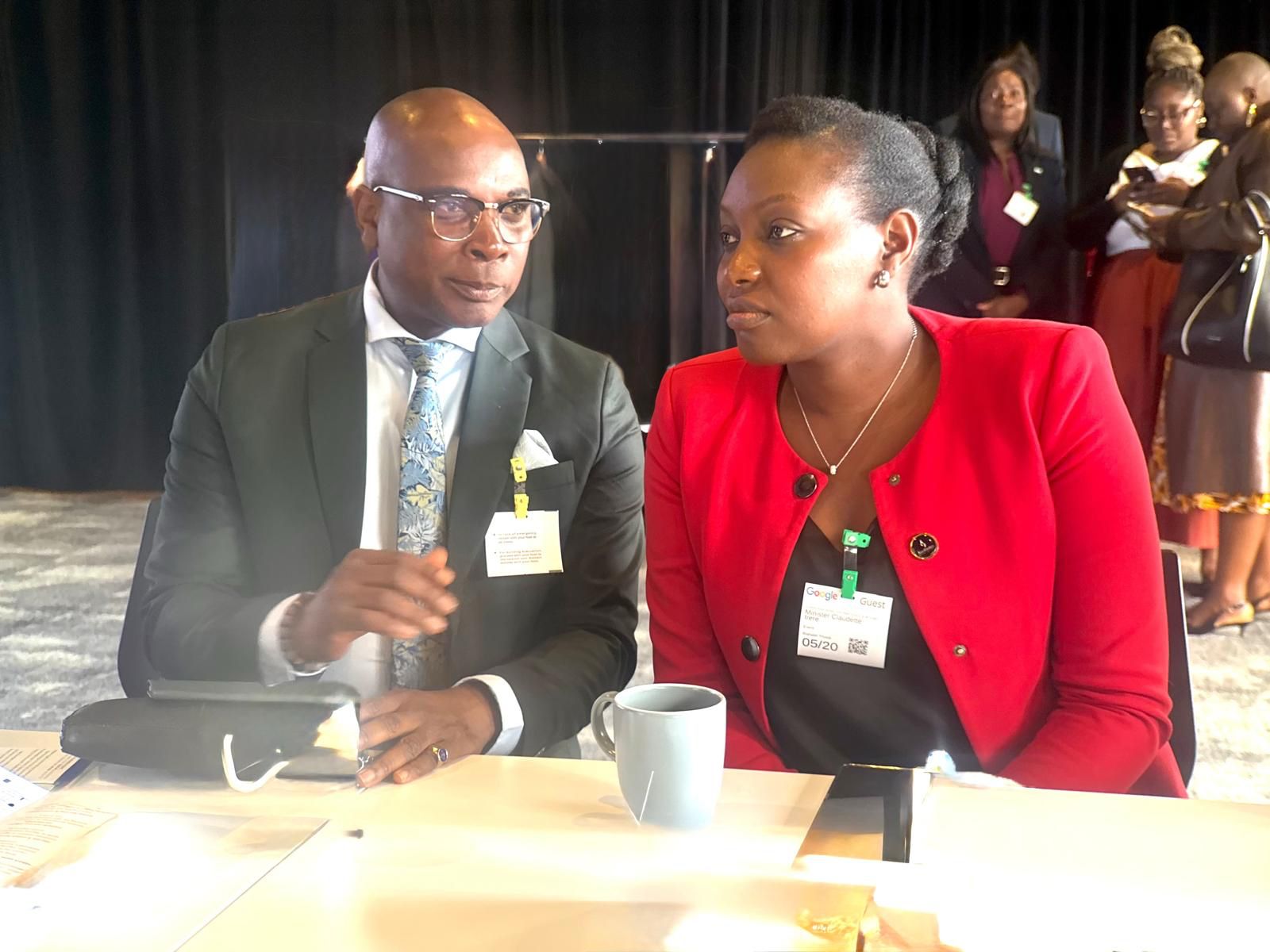
Delivering remarks on behalf of the Government of Sierra Leone, Minister Conrad O. Sackey reaffirmed President Julius Maada Bio’s commitment to education as a key driver of national development.
Reflecting on Sierra Leone’s history of civil war, the Ebola outbreak, and national recovery efforts, the Minister praised the resilience of the Sierra Leonean people and stressed the country’s continued belief in the transformative power of education.
Minister Sackey also highlighted concerns over what he described as a growing learning crisis across Sub-Saharan Africa, noting that many children are unable to read and understand simple texts by the age of ten.
“Not a novel. Not a newspaper. A simple text,” the Minister stated, while warning that millions of children remain affected by what experts refer to as “learning poverty.”
He further pointed to gains recorded under Sierra Leone’s Free Quality School Education Programme, which he said has increased national school enrolment from less than two million to more than 3.1 million pupils since 2018, while also improving gender equality and inclusive access to education.
The Minister, however, maintained that expanding access to education alone is insufficient without improving learning outcomes.
“We must now ensure that children are not only in school, but learning effectively,” he said, emphasizing the importance of strengthening literacy and numeracy through innovation, research, and international partnerships.
Speaking on Sierra Leone’s partnership with Google DeepMind and Fab AI, Minister Sackey welcomed the development of locally grounded AI solutions designed to address classroom challenges within African education systems.
“The question is not whether AI will transform education — it will,” he stated. “The real question is who benefits first, and whether children in the Global South are included from the very beginning.”
The Minister further stressed the need to ensure that AI tools introduced into schools remain safe, effective, culturally relevant, and responsive to African educational realities.
Other panelists at the briefing included Benjamin Piper of the Bill & Melinda Gates Foundation, Irina Jurenka, and Wongani Grace Nkhoma-Sankofa from UNICEF.
Mrs. Yvonne King Odigboh’s participation at the event also highlighted the Sierra Leone High Commission’s continued support for international partnerships aimed at promoting education, innovation, and sustainable national development.
The briefing, held at Google’s London office, served as a platform for discussions on the future role of Artificial Intelligence in shaping education systems across Africa and other developing regions.