

Proposed Aminata and Sons Deal Could Boost Sierra Leone’s Fuel Security
 Aaron Parker
 As Parliament prepares to deliberate on the proposed concession agreement between the Government of Sierra Leone and Aminata & Sons (SL) Limited, attention is increasingly shifting toward the potential impact the deal could have on the country’s fuel security.
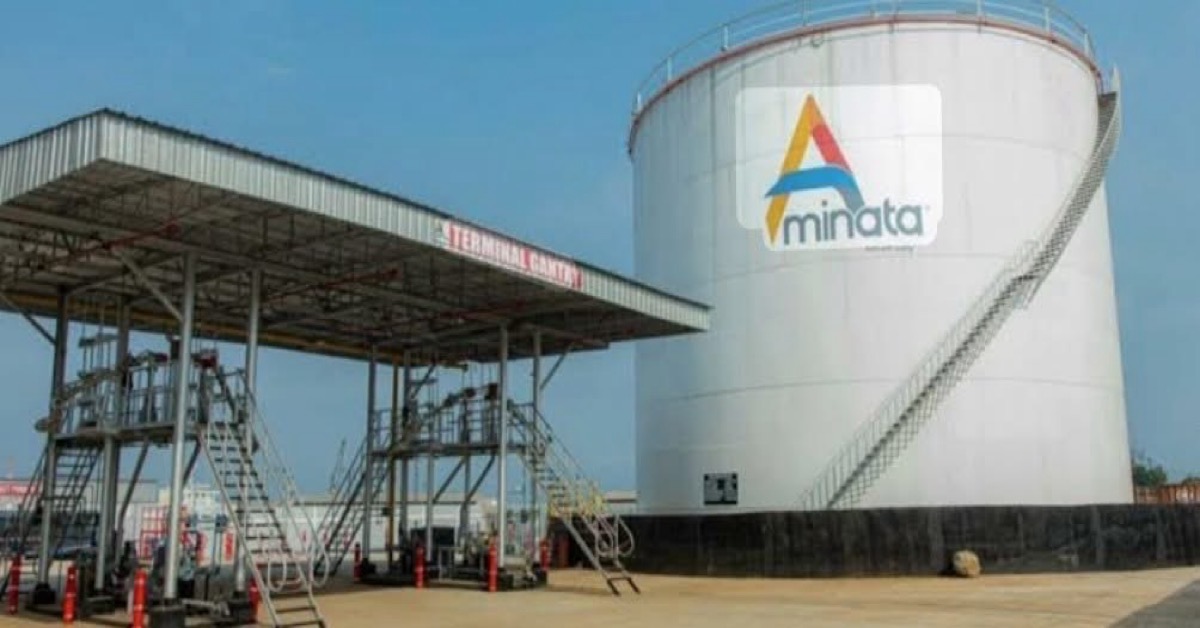
The proposed agreement, which has generated public debate in recent weeks, is expected to focus on the rehabilitation, operation and expansion of petroleum storage facilities aimed at strengthening Sierra Leone’s fuel reserve capacity.
Fuel insecurity has remained one of Sierra Leone’s recurring economic challenges, with periodic shortages disrupting transportation, electricity generation, business activities and the movement of goods across the country. These shortages often result in price hikes that place additional pressure on ordinary citizens and businesses alike.

Supporters of the concession argue that the agreement could provide a long-term solution to these persistent supply disruptions by significantly increasing national fuel storage capacity.



According to details surrounding the proposal, Aminata & Sons would be allowed temporary tax deferments to enable the company to channel more resources into infrastructure development and operational expansion.
Economic analysts have noted that the arrangement should not be mistaken for a tax waiver, emphasizing that government revenue is not being forfeited but only deferred for a specific period.
They argue that such fiscal incentives are common across the world, especially in strategic sectors like energy, where large capital investments are needed before returns can be realized.
If approved, the project is expected to improve fuel supply stability by allowing the country to maintain larger fuel reserves, reducing the risk of shortages during supply disruptions or market instability.
Industry observers say improved storage infrastructure would not only strengthen energy security but also contribute to stabilizing fuel prices over time, which could have wider economic benefits for transportation, trade and household consumption.
Beyond fuel security, the project is also anticipated to create both direct and indirect employment opportunities during construction and operation phases, with additional benefits expected across the transport, logistics and maintenance sectors.
The concession has also been viewed by some stakeholders as a signal of Sierra Leone’s commitment to supporting private-sector investment in critical national infrastructure.
As lawmakers prepare to assess the agreement, many believe the decision will go beyond immediate revenue considerations and focus on the long-term strategic importance of securing the country’s fuel supply.
If successfully implemented, the Aminata & Sons investment could mark a significant step toward addressing one of Sierra Leone’s longstanding energy challenges while strengthening economic resilience.